
What's inside
What's inside
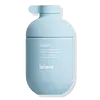 Key Ingredients
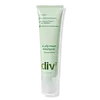
Benefits
Concerns
Ingredients Side-by-side
Water
Skin ConditioningSodium Methyl Cocoyl Taurate
Cleansing
Cocamidopropyl Hydroxysultaine
Cleansing
Sodium C14-16 Olefin Sulfonate
Cleansing

Glycerin
Humectant


Acrylates Crosspolymer-4
Emulsion StabilisingGlyceryl Stearate Se
Emulsifying



Decyl Glucoside
Cleansing
Parfum
Masking

Bisabolol
Antioxidant


Arginine
Masking
Sodium Polyitaconate
ChelatingSodium Citrate
BufferingCitric Acid
Buffering

Guar Hydroxypropyltrimonium Chloride
Skin ConditioningSodium Phytate
ChelatingPolyquaternium-10
Propanediol
Solvent
Aloe Barbadensis Leaf Juice Powder
Skin Conditioning
Sapindus Mukorossi Fruit Extract
Skin ConditioningMyrciaria Dubia Fruit Extract
Skin ConditioningHydroxyacetophenone
Antioxidant
1,2-Hexanediol
Skin Conditioning
Caprylyl Glycol
Emollient
Coumarin
Perfuming
Geraniol
Perfuming
Tetramethyl Acetyloctahydronaphthalenes
Masking
CI 60730
Cosmetic ColorantCI 42090
Cosmetic ColorantWater, Sodium Methyl Cocoyl Taurate, Cocamidopropyl Hydroxysultaine, Sodium C14-16 Olefin Sulfonate, Glycerin, Acrylates Crosspolymer-4, Glyceryl Stearate Se, Decyl Glucoside, Parfum, Bisabolol, Arginine, Sodium Polyitaconate, Sodium Citrate, Citric Acid, Guar Hydroxypropyltrimonium Chloride, Sodium Phytate, Polyquaternium-10, Propanediol, Aloe Barbadensis Leaf Juice Powder, Sapindus Mukorossi Fruit Extract, Myrciaria Dubia Fruit Extract, Hydroxyacetophenone, 1,2-Hexanediol, Caprylyl Glycol, Coumarin, Geraniol, Tetramethyl Acetyloctahydronaphthalenes, CI 60730, CI 42090
Water
Skin ConditioningMicrocrystalline Cellulose
AbsorbentSodium C14-16 Olefin Sulfonate
Cleansing
Cocamidopropyl Hydroxysultaine
Cleansing
Propanediol
Solvent
Acrylates Crosspolymer-4
Emulsion StabilisingSodium Polyitaconate
ChelatingSodium Citrate
BufferingSodium Chloride
MaskingCocamide Mipa
Emulsifying
1,2-Hexanediol
Skin Conditioning
Mentha Piperita Oil
Masking


Sorbitan Oleate Decylglucoside Crosspolymer
CleansingSodium Cocoyl Glutamate
Cleansing
Glycolic Acid
Buffering






Tetrasodium Glutamate Diacetate
ChelatingSodium Hydroxide
BufferingPolyquaternium-7
Caprylhydroxamic Acid
ChelatingMenthol
Masking
Melaleuca Alternifolia Leaf Oil
Antioxidant
Sapindus Mukorossi Fruit Extract
Skin ConditioningMelia Azadirachta Leaf Extract
Skin ConditioningCocamidopropyl Dimethylamine
Emulsifying
Melia Azadirachta Flower Extract
Skin ConditioningSodium Benzoate
Masking
Limonene
Perfuming
Linalool
Perfuming
Water, Microcrystalline Cellulose, Sodium C14-16 Olefin Sulfonate, Cocamidopropyl Hydroxysultaine, Propanediol, Acrylates Crosspolymer-4, Sodium Polyitaconate, Sodium Citrate, Sodium Chloride, Cocamide Mipa, 1,2-Hexanediol, Mentha Piperita Oil, Sorbitan Oleate Decylglucoside Crosspolymer, Sodium Cocoyl Glutamate, Glycolic Acid, Tetrasodium Glutamate Diacetate, Sodium Hydroxide, Polyquaternium-7, Caprylhydroxamic Acid, Menthol, Melaleuca Alternifolia Leaf Oil, Sapindus Mukorossi Fruit Extract, Melia Azadirachta Leaf Extract, Cocamidopropyl Dimethylamine, Melia Azadirachta Flower Extract, Sodium Benzoate, Limonene, Linalool
Ingredients Explained
These ingredients are found in both products.
Ingredients higher up in an ingredient list are typically present in a larger amount.
1,2-Hexanediol is a synthetic liquid and another multi-functional powerhouse.
It is a:
- Humectant, drawing moisture into the skin
- Emollient, helping to soften skin
- Solvent, dispersing and stabilizing formulas
- Preservative booster, enhancing the antimicrobial activity of other preservatives
We don't have a description for Acrylates Crosspolymer-4 yet.
Cocamidopropyl Hydroxysultaine is a synthetic cleansing agent, though it is derived from coconut oil.
It is used to enhance the texture of products by boosting lather and thickening the texture. As a cleanser, Cocamidopropyl Hydroxysultaine is mild.
Propanediol is an all-star ingredient. It softens, hydrates, and smooths the skin.
It’s often used to:
Propanediol is not likely to cause sensitivity and considered safe to use. It is derived from corn or petroleum with a clear color and no scent.
Learn more about PropanediolWe don't have a description for Sapindus Mukorossi Fruit Extract yet.
Sodium C14-16 Olefin Sulfonate is a surfactant that helps water and oil mix so that dirt, sweat, sebum, and sunscreen can rinse away easily. It's not technically a sulfate, but behaves similarly in formulas.
What it does:
Sodium C14-16 Olefin Sulfonate is a strong cleansing surfactant and is much stronger than many mild cleansers. Because it works deeply, it can disrupt the skin's barrier. This can lead to dryness or irritation for those with sensitive skin.
Compared to gentler surfactants, it's effective but more likely to dry or irritate if not balanced with soothing ingredients.
CIR considers sodium α-olefin sulfonates (including C14-16) to be safe for use in rinse-off products when properly formulated. It is poorly absorbed through normal skin but absorption increases if the skin barrier is already damaged.
Learn more about Sodium C14-16 Olefin SulfonateSodium Citrate is the sodium salts of citric acid. In skincare, it is used to alter pH levels and acts as a preservative.
Its main functions are to maintain the pH of a product and neutralize metal ions.
The acidity of our skin is maintained by our glands and skin biome; normal pH level of skin is slightly acidic (~4.75-5.5).
Being slightly acidic allows our skin to create an "acid mantle". This acid mantle is a thin barrier that protects our skin from bacteria and contaminants.
Learn more about Sodium CitrateWe don't have a description for Sodium Polyitaconate yet.
Water. It's the most common cosmetic ingredient of all. You'll usually see it at the top of ingredient lists, meaning that it makes up the largest part of the product.
So why is it so popular? Water most often acts as a solvent - this means that it helps dissolve other ingredients into the formulation.
You'll also recognize water as that liquid we all need to stay alive. If you see this, drink a glass of water. Remember to stay hydrated!
Learn more about Water

