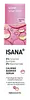
This barrier-repair serum is formulated around Niacinamide and Panthenol to strengthen the skin barrier and calm redness.
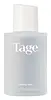
This calming toner is formulated around Centella Asiatica Extract and Houttuynia Cordata Extract to calm redness and strengthen the skin barrier.


What's inside
What's inside
 Key Ingredients
Benefits
Concerns
Ingredients Side-by-side
Water
Skin ConditioningGlycerin
Humectant


Octyldodecanol
Emollient
Niacinamide
Smoothing









Distarch Phosphate
AbsorbentDicaprylyl Carbonate
EmollientXanthan Gum
EmulsifyingPectin
Emulsion StabilisingPhenoxyethanol
Preservative
Panthenol
Skin Conditioning
Hydroxyacetophenone
Antioxidant
Dicaprylyl Ether
Emollient
Lauryl Alcohol
Emollient

Allantoin
Skin Conditioning
Pentylene Glycol
Skin Conditioning
Chondrus Crispus Powder
Abrasive


Madecassoside
Antioxidant
Phospholipids
Skin Conditioning
Cyanocobalamin
Skin ConditioningSphingolipids
Emollient
Sodium Citrate
BufferingP-Anisic Acid
MaskingSodium Hydroxide
BufferingTocopherol
Antioxidant
Water, Glycerin, Octyldodecanol, Niacinamide, Distarch Phosphate, Dicaprylyl Carbonate, Xanthan Gum, Pectin, Phenoxyethanol, Panthenol, Hydroxyacetophenone, Dicaprylyl Ether, Lauryl Alcohol, Allantoin, Pentylene Glycol, Chondrus Crispus Powder, Madecassoside, Phospholipids, Cyanocobalamin, Sphingolipids, Sodium Citrate, P-Anisic Acid, Sodium Hydroxide, Tocopherol
Water
Skin ConditioningChamaecyparis Obtusa Water
MaskingPropanediol
Solvent
Butylene Glycol
Humectant
1,2-Hexanediol
Skin Conditioning
Pentylene Glycol
Skin Conditioning
Octyldodeceth-16
EmulsifyingHydroxyacetophenone
Antioxidant
Xanthan Gum
EmulsifyingSodium Citrate
BufferingCentella Asiatica Extract
Cleansing
Houttuynia Cordata Extract
Skin Conditioning
Portulaca Pilosa Extract
Skin ConditioningEthylhexylglycerin
Skin ConditioningCitric Acid
Buffering
Disodium EDTA
Juniperus Communis Fruit Oil
Masking



Tocopherol
Antioxidant
Eucalyptus Alba Leaf Extract
Skin ConditioningWater, Chamaecyparis Obtusa Water, Propanediol, Butylene Glycol, 1,2-Hexanediol, Pentylene Glycol, Octyldodeceth-16, Hydroxyacetophenone, Xanthan Gum, Sodium Citrate, Centella Asiatica Extract, Houttuynia Cordata Extract, Portulaca Pilosa Extract, Ethylhexylglycerin, Citric Acid, Disodium EDTA, Juniperus Communis Fruit Oil, Tocopherol, Eucalyptus Alba Leaf Extract
Reviews
Ingredients Explained
These ingredients are found in both products.
Ingredients higher up in an ingredient list are typically present in a larger amount.
Hydroxyacetophenone is a small phenolic molecule that earns its place in a formulas as an antioxidant and preservative booster.
As a phenol, it is able to neutralize free radicals to protect both the product and the skin from oxidative stress.
Though it can't kill microbes on its own, it works as a good supporting agent when combined with other preservatives like Phenoxyethanol or 1,2-Hexanediol.
This ingredient naturally occurs as piceol in Norwegian spruce needles (~0.4-1.1% dry weight and in cloudberries). Though the cosmetic-grade material is synthesized for purity and consistency.
You'll usually see it used at low levels and suppliers recommend up to 1% added to a water phase.
Safety testing was done at concentrations like 0.05% in SPF products and 0.5% in a Human Repeated Insult Patch Test. The safety evidence is assuring; this ingredient is safe for cosmetics in current use and also holds safety status as a food flavoring as well.
An honest caveat: the "soothing" and "anti-inflammatory" claims come mostly from supplier marketing rather than published clinical trials. The Cosmetic Ingredient Review's own literature search found no useful efficacy studies on this ingredient.
So the antioxidant and preservative-boosting roles are the well supported ones while the calming benefit is plausible but thinly evidenced.
Overall, this is a well-tolerated, low-irritation multitasker that quietly helps a formula stay fresh and stable.
Learn more about HydroxyacetophenonePentylene Glycol (1,2-pentanediol) is a multitasking little diol with three main roles in a formula:
Research on alkanediols (the family pentylene glycol belongs to) show they work by disrupting microbial cell membranes. This disruption helps the primary preservative system in a product work more effectively at lower doses.
On the safety side, the Cosmetic Ingredient Review Expert Panel has concluded this ingredient to be safe as used in current cosmetic practices + concentrations.
Typical use levels in a formula run about 1-5%.
Learn more about Pentylene GlycolSodium Citrate is the sodium salts of citric acid. In skincare, it is used to alter pH levels and acts as a preservative.
Its main functions are to maintain the pH of a product and neutralize metal ions.
The acidity of our skin is maintained by our glands and skin biome; normal pH level of skin is slightly acidic (~4.75-5.5).
Being slightly acidic allows our skin to create an "acid mantle". This acid mantle is a thin barrier that protects our skin from bacteria and contaminants.
Learn more about Sodium CitrateTocopherol is a fat-soluble antioxidant known as Vitamin E.
You'll find this ingredient in the vast majority of skincare (for good reason). It works to neutralize free radicals, or unstable molecules generated by UV exposure, pollution, and other environmental stressors, before they can cause oxidative damage to your skin cells.
Topically applied tocopherol has been shown to protect against UV damage by ramping up the skin's own natural defense enzymes.
It also acts as a skin conditioning agent; some studies show that regular topical use can improve the skin's water-binding capacity over 2-4 weeks.
This ingredient is especially loved for being a team player. When combined with Vitamin C, the photoprotective effect of both ingredients roughly doubles and the combo also helps reduce UV-induced DNA damage.
This ingredient has some brightening potential but it's more of a prevention ingredient than spot-fader. Cell studies show it can slow down melanin production but it's worth noting that it's not the most powerful brightener out there.
In formulations, it also serves as a stabilizer that helps protect other oxidation-prone ingredients from degrading.
Concentrations usually range from 0.1-1% in most leave-on products.
Learn more about TocopherolWater. It's the most common cosmetic ingredient of all. You'll usually see it at the top of ingredient lists, meaning that it makes up the largest part of the product.
So why is it so popular? Water most often acts as a solvent - this means that it helps dissolve other ingredients into the formulation.
You'll also recognize water as that liquid we all need to stay alive. If you see this, drink a glass of water. Remember to stay hydrated!
Learn more about WaterXanthan gum is used as a stabilizer and thickener within cosmetic products. It helps give products a sticky, thick feeling - preventing them from being too runny.
On the technical side of things, xanthan gum is a polysaccharide - a combination consisting of multiple sugar molecules bonded together.
Xanthan gum is a pretty common and great ingredient. It is a natural, non-toxic, non-irritating ingredient that is also commonly used in food products.
Learn more about Xanthan Gum

