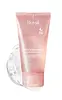
This barrier-repair overnight mask is formulated around Ceramide Eos to strengthen the skin barrier and soften the look of wrinkles.
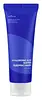
This hydrating overnight mask is formulated around Beta-Glucan and Sodium Hyaluronate to hydrate skin and strengthen the skin barrier.


What's inside
What's inside
 Key Ingredients
Benefits
Ingredients Side-by-side
Water
Skin ConditioningMethylpropanediol
SolventBeta-Glucan
Skin Conditioning




1,2-Hexanediol
Skin Conditioning
Butylene Glycol
Humectant
Polyquaternium-51
Skin Conditioning
Sodium Hyaluronate
Humectant

Centella Asiatica Extract
Cleansing
Ficus Carica Fruit Extract
Humectant
Dioscorea Opposita Root
Skin ConditioningGlycosyl Trehalose
Emulsion StabilisingHydrogenated Starch Hydrolysate
HumectantBetaine
Humectant
Sodium Chloride
MaskingSodium PCA
Humectant
Panthenol
Skin Conditioning
Carbomer
Emulsion StabilisingHydrolyzed Corn Starch
HumectantAllantoin
Skin Conditioning
Sucrose
Humectant
Ceramide NP
Skin Conditioning
Tocopherol
Antioxidant



Potassium Laurate
EmulsifyingHydroxypropyltrimonium Hyaluronate
Hydrolyzed Hyaluronic Acid
Humectant
Sodium Acetylated Hyaluronate
Humectant
Dipropylene Glycol
HumectantGlycerin
Humectant
Hydrogenated Lecithin
Emulsifying
Tromethamine
BufferingCitric Acid
Buffering

Trisodium EDTA
Ethylhexylglycerin
Skin ConditioningDimethicone
Emollient
PEG-240/Hdi Copolymer Bis-Decyltetradeceth-20 Ether
StabilisingAscorbyl Propyl Hyaluronate
Skin Conditioning
Water, Methylpropanediol, Beta-Glucan, 1,2-Hexanediol, Butylene Glycol, Polyquaternium-51, Sodium Hyaluronate, Centella Asiatica Extract, Ficus Carica Fruit Extract, Dioscorea Opposita Root, Glycosyl Trehalose, Hydrogenated Starch Hydrolysate, Betaine, Sodium Chloride, Sodium PCA, Panthenol, Carbomer, Hydrolyzed Corn Starch, Allantoin, Sucrose, Ceramide NP, Tocopherol, Potassium Laurate, Hydroxypropyltrimonium Hyaluronate, Hydrolyzed Hyaluronic Acid, Sodium Acetylated Hyaluronate, Dipropylene Glycol, Glycerin, Hydrogenated Lecithin, Tromethamine, Citric Acid, Trisodium EDTA, Ethylhexylglycerin, Dimethicone, PEG-240/Hdi Copolymer Bis-Decyltetradeceth-20 Ether, Ascorbyl Propyl Hyaluronate
Reviews
Ingredients Explained
These ingredients are found in both products.
Ingredients higher up in an ingredient list are typically present in a larger amount.
Glycerin (or glycerol) is a compound naturally found in your skin. It's a powerhouse humectant that pulls water into the stratum corneum.
Topically, glycerin does several things at once:
Your skin makes glycerin on its own (mostly from sebaceous oil breakdown) and shuttles it to your outermost layer of skin, or your epidermis, via aquaporin-3.
Aquaporin-3 is a transporter that is essential for normal skin hydration, elasticity, and repair. Interestingly, mice lacking in AQP3 have dry and less elastic skin that can be fully corrected with glycerin.
This ingredient is non-irritating, plays well with almost every ingredient, and works across all skin types. Typical use is anywhere between 3-10% but can go up to 79% in some leave-on products.
Just know very high concentrations (>40%) can feel tacky in low humidity.
Glycerin is the name for this ingredient in American English. British English uses Glycerol/Glycerine.
Learn more about GlycerinSucrose is a natural sugar found in fruits, vegetables, and nuts. It is the main constituent of white sugar.
In skincare, sucrose is a humectant and can be a mild exfoliant.
Sucrose is hydrophilic, meaning it attracts water. This makes it an effective humectant and helps hydrate the skin.
Studies show sugars may worsen acne-prone skin due to it disrupting the skin's natural biome. We recommend speaking with a professional if you have any concerns.
In some products such as body scrubs, sucrose is used as an gentle exfoliant.
The term 'sucrose' comes from the french word for sugar, 'sucre'.
Learn more about SucroseTocopherol is a fat-soluble antioxidant known as Vitamin E.
You'll find this ingredient in the vast majority of skincare (for good reason). It works to neutralize free radicals, or unstable molecules generated by UV exposure, pollution, and other environmental stressors, before they can cause oxidative damage to your skin cells.
Topically applied tocopherol has been shown to protect against UV damage by ramping up the skin's own natural defense enzymes.
It also acts as a skin conditioning agent; some studies show that regular topical use can improve the skin's water-binding capacity over 2-4 weeks.
This ingredient is especially loved for being a team player. When combined with Vitamin C, the photoprotective effect of both ingredients roughly doubles and the combo also helps reduce UV-induced DNA damage.
This ingredient has some brightening potential but it's more of a prevention ingredient than spot-fader. Cell studies show it can slow down melanin production but it's worth noting that it's not the most powerful brightener out there.
In formulations, it also serves as a stabilizer that helps protect other oxidation-prone ingredients from degrading.
Concentrations usually range from 0.1-1% in most leave-on products.
Learn more about Tocopherol

