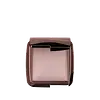
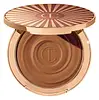
Hourglass Cosmetics Ambient Lighting Finishing Powder Versus Charlotte Tilbury Beautiful Skin Sun-Kissed Glow Bronzer


What's inside
What's inside
 Key Ingredients
Benefits
Concerns
Ingredients Side-by-side
Mica
Cosmetic ColorantSynthetic Fluorphlogopite
Boron Nitride
Absorbent
Octyldodecanol
Emollient
Hdi/Trimethylol Hexyllactone Crosspolymer
Polymethyl Methacrylate
Dimethicone
Emollient

C13-14 Isoparaffin
Emollient
Diamond Powder
Abrasive
Ethylhexylglycerin
Skin ConditioningLaureth-7
EmulsifyingMagnesium Aluminum Silicate
Absorbent
Polyacrylamide
Polymethylsilsesquioxane
Silica
Abrasive
Sorbitan Sesquioleate
Emulsifying

Tin Oxide
Abrasive
Trimethylsiloxysilicate
Emollient
Benzoic Acid
Masking

Dehydroacetic Acid
Preservative
Phenoxyethanol
Preservative
Potassium Sorbate
Preservative
Sodium Dehydroacetate
Preservative
Sorbic Acid
Preservative
CI 77891
Cosmetic ColorantCI 77163
Cosmetic Colorant
CI 77491
Cosmetic ColorantCI 77007
Cosmetic ColorantMica, Synthetic Fluorphlogopite, Boron Nitride, Octyldodecanol, Hdi/Trimethylol Hexyllactone Crosspolymer, Polymethyl Methacrylate, Dimethicone, C13-14 Isoparaffin, Diamond Powder, Ethylhexylglycerin, Laureth-7, Magnesium Aluminum Silicate, Polyacrylamide, Polymethylsilsesquioxane, Silica, Sorbitan Sesquioleate, Tin Oxide, Trimethylsiloxysilicate, Benzoic Acid, Dehydroacetic Acid, Phenoxyethanol, Potassium Sorbate, Sodium Dehydroacetate, Sorbic Acid, CI 77891, CI 77163, CI 77491, CI 77007
Dimethicone
Emollient
Triethylhexanoin
MaskingCeresin
Emulsion StabilisingPolymethylsilsesquioxane
Dimethicone Crosspolymer
Emulsion Stabilising
Trimethylsiloxysilicate
Emollient
Polyethylene
Abrasive
Dimethicone/Polyglycerin-3 Crosspolymer
Cleansing
Silica
Abrasive
Mica
Cosmetic Colorant7-Dehydrocholesterol
Emulsion StabilisingC10-18 Triglycerides
Emollient
Sodium Hyaluronate
Humectant




Triolein
Skin Conditioning
Glyceryl Dioleate
Emollient
Dipropylene Glycol
HumectantSodium Citrate
BufferingTocopherol
Antioxidant



CI 77891
Cosmetic ColorantIron Oxides
Dimethicone, Triethylhexanoin, Ceresin, Polymethylsilsesquioxane, Dimethicone Crosspolymer, Trimethylsiloxysilicate, Polyethylene, Dimethicone/Polyglycerin-3 Crosspolymer, Silica, Mica, 7-Dehydrocholesterol, C10-18 Triglycerides, Sodium Hyaluronate, Triolein, Glyceryl Dioleate, Dipropylene Glycol, Sodium Citrate, Tocopherol, CI 77891, Iron Oxides
Reviews
Ingredients Explained
These ingredients are found in both products.
Ingredients higher up in an ingredient list are typically present in a larger amount.
Ci 77891 is a white pigment from Titanium dioxide. It is naturally found in minerals such as rutile and ilmenite.
It's main function is to add a white color to cosmetics. It can also be mixed with other colors to create different shades.
Ci 77891 is commonly found in sunscreens due to its ability to block UV rays.
Learn more about CI 77891Dimethicone is a type of synthetic silicone created from natural materials such as quartz. It is also known as polydimethylsiloxane.
What it does:
Dimethicone comes in different viscosities:
Depending on the viscosity, dimethicone has different properties.
Ingredients lists don't always show which type is used, so we recommend reaching out to the brand if you have questions about the viscosity.
This ingredient is unlikely to cause irritation because it does not get absorbed into skin. However, people with silicone allergies should be careful about using this ingredient.
Note: Dimethicone may contribute to pilling. This is because it is not oil or water soluble, so pilling may occur when layered with products. When mixed with heavy oils in a formula, the outcome is also quite greasy.
Learn more about DimethiconeMica is a naturally occurring mineral used to add shimmer and color in cosmetics. It can also help improve the texture of a product or give it an opaque, white/silver color.
Serecite is the name for very fine but ragged grains of mica.
This ingredient is often coated with metal oxides like titanium dioxide. Trace amounts of heavy metals may be found in mica, but these metals are not harmful in our personal products.
Mica has been used since prehistoric times throughout the world. Ancient Egyptian, Indian, Greek, Roman, Aztec, and Chinese civilizations have used mica.
Learn more about MicaPolymethylsilsesquioxane is a silicone used as a film forming agent.
When applied to the skin, this ingredient creates an invisible film on the surface. This film still allows oxygen to pass through, but prevents moisture from escaping. This can help condition and hydrate the skin. It also leaves a silky feel when applied.
Polymethylsilsesquioxane has not been shown to clog pores. It has been deemed safe to use up to 55%, but most cosmetics use much less.
If you have concerns about using this ingredient, we recommend speaking with a professional.
Learn more about PolymethylsilsesquioxaneSilica, also known as silicon dioxide, is a naturally occurring mineral. It is used as a fine, spherical, and porous powder in cosmetics.
Though it has exfoliant properties, the function of silica varies depending on the product.
The unique structure of silica enhances the spreadability and adds smoothness, making it a great texture enhancer.
It is also used as an active carrier, emulsifier, and mattifier due to its ability to absorb excess oil.
In some products, tiny microneedles called spicules are made from silica or hydrolyzed sponge. When you rub them in, they lightly polish away dead skin layers and enhance the penetration of active ingredients.
Learn more about SilicaThis silicone is an emollient. Emollients create a thin film on the skin to prevent moisture from escaping.
It is not soluble in water and helps increase water-resistance in products.
According to a manufacturer, it can blend seamlessly with silicone oils, such as Cyclopentasiloxane.
Learn more about Trimethylsiloxysilicate

