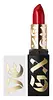
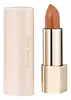
GXVE Beauty Anaheim Shine Clean High-Performance Satin Lipstick Versus Rare Beauty Kind Words Matte Lipstick

What's inside
What's inside
 Key Ingredients
Benefits
Concerns
Ingredients Side-by-side
Polybutene
Octyldodecanol
Emollient
Dicalcium Phosphate
Abrasive
Caprylic/Capric Triglyceride
Masking


Polyethylene
Abrasive
Cera Microcristallina
Emulsion StabilisingBis-Diglyceryl Polyacyladipate-2
Emollient

Stearalkonium Hectorite
Gel FormingNylon-12


Polymethyl Methacrylate
Propylene Carbonate
SolventPentaerythrityl Tetra-Di-T-Butyl Hydroxyhydrocinnamate
Antioxidant
Water
Skin ConditioningBHT
Antioxidant
Parfum
Masking


CI 77891
Cosmetic ColorantIron Oxides
CI 77163
Cosmetic Colorant
CI 42090
Cosmetic ColorantCI 77742
Cosmetic ColorantCI 15850
Cosmetic ColorantCI 45410
Cosmetic ColorantCI 45380
Cosmetic ColorantCI 73360
Cosmetic ColorantCI 17200
Cosmetic ColorantCI 19140
Cosmetic ColorantCI 15985
Cosmetic ColorantCI 47005
Cosmetic ColorantPolybutene, Octyldodecanol, Dicalcium Phosphate, Caprylic/Capric Triglyceride, Polyethylene, Cera Microcristallina, Bis-Diglyceryl Polyacyladipate-2, Stearalkonium Hectorite, Nylon-12, Polymethyl Methacrylate, Propylene Carbonate, Pentaerythrityl Tetra-Di-T-Butyl Hydroxyhydrocinnamate, Water, BHT, Parfum, CI 77891, Iron Oxides, CI 77163, CI 42090, CI 77742, CI 15850, CI 45410, CI 45380, CI 73360, CI 17200, CI 19140, CI 15985, CI 47005
Isononyl Isononanoate
EmollientC12-15 Alkyl Benzoate
AntimicrobialCaprylic/Capric Triglyceride
Masking
Octyldodecanol
Emollient
Polyethylene
Abrasive
Dicalcium Phosphate
Abrasive
Helianthus Annuus Seed Wax
Skin Conditioning
Polybutene
Silica
Abrasive
Synthetic Fluorphlogopite
Cera Microcristallina
Emulsion StabilisingSynthetic Wax
Abrasive
Tocopheryl Acetate
Antioxidant

Parfum
Masking
Helianthus Annuus Seed Oil
Emollient
BHT
Antioxidant
Gardenia Florida Fruit Extract
Skin ConditioningNelumbo Nucifera Flower Extract
Skin ConditioningNymphaea Odorata Root Extract
RefreshingTitanium Dioxide
Cosmetic Colorant
Iron Oxides
CI 15850
Cosmetic ColorantCI 42090
Cosmetic ColorantIsononyl Isononanoate, C12-15 Alkyl Benzoate, Caprylic/Capric Triglyceride, Octyldodecanol, Polyethylene, Dicalcium Phosphate, Helianthus Annuus Seed Wax, Polybutene, Silica, Synthetic Fluorphlogopite, Cera Microcristallina, Synthetic Wax, Tocopheryl Acetate, Parfum, Helianthus Annuus Seed Oil, BHT, Gardenia Florida Fruit Extract, Nelumbo Nucifera Flower Extract, Nymphaea Odorata Root Extract, Titanium Dioxide, Iron Oxides, CI 15850, CI 42090
Reviews
Ingredients Explained
These ingredients are found in both products.
Ingredients higher up in an ingredient list are typically present in a larger amount.
BHT is a synthetic antioxidant and preservative.
As an antioxidant, it helps your body fight off free-radicals. Free-radicals are molecules that may damage your skin cells.
As a preservative, it is used to stabilize products and prevent them from degrading. Specifically, BHT prevents degradation from oxidation.
The concerns related to BHT come from oral studies; this ingredient is currently allowed for use by both the FDA and EU.
However, it was recently restricted for use in the UK as of April 2024.
Learn more about BHTCaprylic/Capric Triglyceride (aka MCT Oil) is a lightweight emollient, solvent, and texture enhancer. It is considered a skin-softener by helping to prevent moisture loss.
Though it behaves like an oil, it is not technically one due to its chemical composition. One perk of this ingredient is that it is very stable, resistant to oxidation, and unlikely to go rancid.
In practice, that translates to a long shelf life and a consistently elegant skin feel.
While there is an assumption Caprylic Triglyceride can clog pores due to it being derived from coconut oil, there is no research supporting this. Just patch test if you have concerns.
Fractionated coconut oil and MCT Oil are both listed as Caprylic/Capric Triglyceride according to INCI. This is because INCI names are based on the ingredient’s final chemical composition and not its marketing name or source.
This ingredient is treated as the gold standard fungal acne safe oil. Even though it is coconut derived, the problematic lauric acid is stripped out.
This leaves just caprylic (C8) and capric (C10) acid. These chain lengths actually trend antifungal; a 2020 study found caprylic acid was enough to disrupt Malassezia furfur cell membrane, with a caprylic acid derivative damaging membrane structures at concentrations as low as 0.2%.
Learn more about Caprylic/Capric TriglycerideCera Microcristallina, aka microcrystalline wax, is a petroleum-derived wax that helps thicken texture and stabilize the oils in formulas.
It also has mild occlusive properties that creates a film on skin to slow down water loss.
The CIR Expert Panel has concluded this ingredient to be safe as used in cosmetics.
This ingredient is refined to a cosmetic grade with high purity. It is chemically inert, stable, and doesn't clog pores (petroleum has a comedogenic rating of 0).
Malassezia feeds on fatty acids roughly in the C11-24 range and this ingredient contains none of those. Since there's no plausible food source for it here, this ingredient is fungal acne safe.
Learn more about Cera MicrocristallinaCi 15850 is the pigment color red. It is an azo dye and created synthetically.
Azo dyes need to be thoroughly purified before use. This allows them to be more stable and longer-lasting.
This ingredient is common in foundations, lipsticks, and blushes. This color is described as brown/orangey red.
It has many secondary names such as Red 6 and Red 7. According to a manufacturer, Red 6 usually contains aluminum.
Learn more about CI 15850Ci 42090 is a synthetic dye created from petroleum. It is used to give a bright blue color to cosmetics, medicine, and food.
This ingredient is a mineral salt of calcium and phosphate. It is mainly used as a mild abrasive and sometimes used to add opacity to a formula.
Octyldodecanol is a fatty alcohol sourced from plant oils like coconut or palm (or made synthetically).
It is:
You'll likely see this in many BHA products because this is the go-to solvent for salicylic acid.
This ingredient is typically used at levels between 2-20%.
Regarding fungal acne:
In 2019, this ingredient was tested against multiple Malassezia species (the yeast that causes fungal acne) and showed no growth.
Parfum is a catch-all term for an ingredient or more that is used to give a scent to products.
Also called "fragrance", this ingredient can be a blend of hundreds of chemicals or plant oils. This means every product with "fragrance" or "parfum" in the ingredients list is a different mixture.
For instance, Habanolide is a proprietary trade name for a specific aroma chemical. When used as a fragrance ingredient in cosmetics, most aroma chemicals fall under the broad labeling category of “FRAGRANCE” or “PARFUM” according to EU and US regulations.
The term 'parfum' or 'fragrance' is not regulated in many countries. In many cases, it is up to the brand to define this term.
For instance, many brands choose to label themselves as "fragrance-free" because they are not using synthetic fragrances. However, their products may still contain ingredients such as essential oils that are considered a fragrance by INCI standards.
One example is Calendula flower extract. Calendula is an essential oil that still imparts a scent or 'fragrance'.
Depending on the blend, the ingredients in the mixture can cause allergies and sensitivities on the skin. Some ingredients that are known EU allergens include linalool and citronellol.
Parfum can also be used to mask or cover an unpleasant scent.
The bottom line is: not all fragrances/parfum/ingredients are created equally. If you are worried about fragrances, we recommend taking a closer look at an ingredient. And of course, we always recommend speaking with a professional.
Learn more about ParfumPolybutene is used to help control the viscosity of a product. This just means it helps adjusts the texture.
It is a polymer and does not get absorbed into the skin due to its large size.
Studies found this ingredient did not irritate skin in concentrations below 15%.
Learn more about PolybutenePolyethylene is a synthetic ingredient that helps the skin retain moisture. It is a polymer.
It is also typically used within product formulations to help bind solid ingredients together and thicken oil-based ingredients. When added to balms and emulsions, it helps increase the melting point temperature.
This ingredient is a combination of red, black, and yellow iron oxide pigments. This combination of colors is usually found in foundation, because it results in a "skin" color.
The EU typically uses CI numbers for colorants when applicable, such as CI 77489. In the US, iron oxides are regulated as color additives and "iron oxides" is the most commonly used name in US cosmetic practice.
A 2021 paper looked at skincare formulations containing iron oxides and found that they reduced transmission of blue light when measured optically. In simple terms, the pigment particles helped block or scatter part of the visible light spectrum in lab testing and the authors suggest this could translate into better protection against blue-light-related skin effects.
There is also clinical and experimental research showing that tinted products containing iron oxides can reduce visible light-induced pigmentation:
Please note, whether a product reduces visible or blue light depends on things like:
In the EU's CosIng database, iron oxides are only listed as a colorant. CosIng groups ingredients by their main cosmetic role, such as colorant, preservative, or UV filter.
Though studies say iron oxides can "attenuate blue light", they're describing an optical property and not an officially recognized cosmetic function.
So CosIng isn’t contradicting the research. It’s just classifying iron oxides by what they officially are: pigments that add color.
Learn more about Iron Oxides

