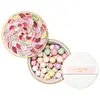
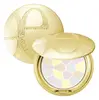
Guerlain Meteorites Setting & Finishing Pearls Of Powder Versus Albion Elegance La Poudre Haute Nuance


What's inside
What's inside
 Key Ingredients
Benefits
Concerns
Ingredients Side-by-side
Mica
Cosmetic ColorantDistarch Phosphate
AbsorbentSilica
Abrasive


Magnesium Myristate


Synthetic Fluorphlogopite
Cellulose
Absorbent
Magnesium Carbonate Hydroxide
BufferingCalcium Sodium Borosilicate
Hydroxypropyl Starch
Caprylyl Glycol
Emollient
Ethylhexylglycerin
Skin ConditioningParfum
Masking



Sodium Dehydroacetate
Preservative
Calcium Aluminum Borosilicate
Sorbic Acid
Preservative
Tin Oxide
Abrasive
Tocopherol
Antioxidant







CI 77891
Cosmetic ColorantCI 77163
Cosmetic Colorant
CI 77491
Cosmetic ColorantCI 77492
Cosmetic ColorantCI 77499
Cosmetic ColorantCI 77288
Cosmetic ColorantCI 73360
Cosmetic ColorantCI 77007
Cosmetic ColorantMica, Distarch Phosphate, Silica, Magnesium Myristate, Synthetic Fluorphlogopite, Cellulose, Magnesium Carbonate Hydroxide, Calcium Sodium Borosilicate, Hydroxypropyl Starch, Caprylyl Glycol, Ethylhexylglycerin, Parfum, Sodium Dehydroacetate, Calcium Aluminum Borosilicate, Sorbic Acid, Tin Oxide, Tocopherol, CI 77891, CI 77163, CI 77491, CI 77492, CI 77499, CI 77288, CI 73360, CI 77007
Talc
Abrasive
Nylon-12

Aluminum Distearate
Emulsion StabilisingSqualane
Emollient
Hydrolyzed Silk Pg-Propyl Methylsilanediol
Skin ConditioningAlthaea Officinalis Root Extract
Skin Conditioning
Arnica Montana Flower Extract
Masking
Allium Sativum Bulb Extract
Skin ConditioningCyclomethicone
Emollient
Dipotassium Glycyrrhizate
Humectant
Pyrus Communis Fruit Extract
Skin ConditioningButylene Glycol
Humectant
Isostearyl Isostearate
Emollient

Water
Skin ConditioningPropylparaben
Preservative
Methylparaben
Preservative
Parfum
Masking
Ultramarines
Mica
Cosmetic ColorantTitanium Dioxide
Cosmetic Colorant
Iron Hydroxide
StabilisingCI 19140
Cosmetic ColorantCI 73360
Cosmetic ColorantTalc, Nylon-12, Aluminum Distearate, Squalane, Hydrolyzed Silk Pg-Propyl Methylsilanediol, Althaea Officinalis Root Extract, Arnica Montana Flower Extract, Allium Sativum Bulb Extract, Cyclomethicone, Dipotassium Glycyrrhizate, Pyrus Communis Fruit Extract, Butylene Glycol, Isostearyl Isostearate, Water, Propylparaben, Methylparaben, Parfum, Ultramarines, Mica, Titanium Dioxide, Iron Hydroxide, CI 19140, CI 73360
Ingredients Explained
These ingredients are found in both products.
Ingredients higher up in an ingredient list are typically present in a larger amount.
Ci 73360 is a synthetic red-pink dye.
It is soluble in water and remains chemically stable across a range of pH levels typically used in cosmetics. This helps manufacturers maintain uniform color throughout a product’s shelf life.
Because this ingredient is a regulated cosmetic colorant, its purity, manufacturing standards, and allowed uses are defined by cosmetic regulations in major markets.
Learn more about CI 73360Mica is a naturally occurring mineral used to add shimmer and color in cosmetics. It can also help improve the texture of a product or give it an opaque, white/silver color.
Serecite is the name for very fine but ragged grains of mica.
This ingredient is often coated with metal oxides like titanium dioxide. Trace amounts of heavy metals may be found in mica, but these metals are not harmful in our personal products.
Mica has been used since prehistoric times throughout the world. Ancient Egyptian, Indian, Greek, Roman, Aztec, and Chinese civilizations have used mica.
Learn more about MicaParfum is a catch-all term for an ingredient or more that is used to give a scent to products.
Also called "fragrance", this ingredient can be a blend of hundreds of chemicals or plant oils. This means every product with "fragrance" or "parfum" in the ingredients list is a different mixture.
For instance, Habanolide is a proprietary trade name for a specific aroma chemical. When used as a fragrance ingredient in cosmetics, most aroma chemicals fall under the broad labeling category of “FRAGRANCE” or “PARFUM” according to EU and US regulations.
The term 'parfum' or 'fragrance' is not regulated in many countries. In many cases, it is up to the brand to define this term.
For instance, many brands choose to label themselves as "fragrance-free" because they are not using synthetic fragrances. However, their products may still contain ingredients such as essential oils that are considered a fragrance by INCI standards.
One example is Calendula flower extract. Calendula is an essential oil that still imparts a scent or 'fragrance'.
Depending on the blend, the ingredients in the mixture can cause allergies and sensitivities on the skin. Some ingredients that are known EU allergens include linalool and citronellol.
Parfum can also be used to mask or cover an unpleasant scent.
The bottom line is: not all fragrances/parfum/ingredients are created equally. If you are worried about fragrances, we recommend taking a closer look at an ingredient. And of course, we always recommend speaking with a professional.
Learn more about Parfum

