Glow Recipe Watermelon Glow Ultra-Fine Mist Versus Whamisa Fermentation Organic Flowers Essence Toner Deep Rich
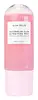
This hydrating essence is formulated around Citrullus Lanatus Fruit Extract and Citrullus Lanatus Seed Oil to hydrate skin and calm redness.
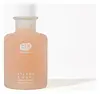
This calming toner is formulated around Aloe Barbadensis Leaf Extract and Artemisia Annua Extract to calm redness and hydrate skin.


What's inside
What's inside
 Key Ingredients
Benefits
Concerns
Ingredients Side-by-side
Citrullus Lanatus Fruit Extract
Skin Conditioning
Citrullus Lanatus Seed Oil
Emollient


Oryza Sativa Germ Oil
Emollient
Moringa Oleifera Seed Extract
Skin Conditioning
Glycine Soja Sterols
Emollient
Oryza Sativa Germ Extract
EmollientCucurbita Pepo Seed Oil
Emollient
Lithospermum Erythrorhizon Root Extract
Skin ConditioningAlkanna Tinctoria Root Extract
Skin ConditioningHyaluronic Acid
Humectant



Soy Amino Acids
Skin ConditioningFructooligosaccharides
Humectant
Centella Asiatica Extract
Cleansing

Hibiscus Sabdariffa Flower Extract
Skin ConditioningNatto Gum
Vinegar
Sorbitan Oleate
Emulsifying

Scutellaria Baicalensis Root Extract
Astringent
Paeonia Suffruticosa Root Extract
Skin ProtectingGlycyrrhiza Glabra Root Extract
Bleaching

Beta-Glucan
Skin Conditioning
Brassica Oleracea Capitata Leaf Extract
Skin ConditioningIpomoea Batatas Root Extract
Skin ConditioningParfum
Masking


Citrullus Lanatus Fruit Extract, Citrullus Lanatus Seed Oil, Oryza Sativa Germ Oil, Moringa Oleifera Seed Extract, Glycine Soja Sterols, Oryza Sativa Germ Extract, Cucurbita Pepo Seed Oil, Lithospermum Erythrorhizon Root Extract, Alkanna Tinctoria Root Extract, Hyaluronic Acid, Soy Amino Acids, Fructooligosaccharides, Centella Asiatica Extract, Hibiscus Sabdariffa Flower Extract, Natto Gum, Vinegar, Sorbitan Oleate, Scutellaria Baicalensis Root Extract, Paeonia Suffruticosa Root Extract, Glycyrrhiza Glabra Root Extract, Beta-Glucan, Brassica Oleracea Capitata Leaf Extract, Ipomoea Batatas Root Extract, Parfum
Aloe Barbadensis Leaf Extract 72.21%
Emollient
Artemisia Annua Extract 15%
Masking
Avena Sativa Kernel Extract 5%
Abrasive

Glycerin 5%
Humectant
Gluconolactone
Skin Conditioning



Galactomyces Ferment Filtrate
Humectant
Lilium Tigrinum Extract
Skin ConditioningHelichrysum Arenarium Extract 0.1%
AntiseborrhoeicScutellaria Baicalensis Root Extract
Astringent
Paeonia Suffruticosa Root Extract
Skin ProtectingGlycyrrhiza Glabra Root Extract
Bleaching
Lactobacillus 0.03%
Skin ConditioningBrassica Oleracea Capitata Leaf Extract
Skin ConditioningIpomoea Batatas Root Extract
Skin ConditioningHibiscus Sabdariffa Flower Extract
Skin ConditioningLithospermum Erythrorhizon Root Extract
Skin ConditioningSorbitan Oleate
Emulsifying
Xanthan Gum
EmulsifyingAniba Rosodora Wood Oil
Astringent
Citrus Aurantium Bergamia Fruit Oil
Masking
Citrus Aurantium Amara Flower Oil
Masking
Rosa Damascena Flower Oil
Masking
Geranium Maculatum Oil
Masking
Aloe Barbadensis Leaf Extract 72.21%, Artemisia Annua Extract 15%, Avena Sativa Kernel Extract 5%, Glycerin 5%, Gluconolactone, Galactomyces Ferment Filtrate, Lilium Tigrinum Extract, Helichrysum Arenarium Extract 0.1%, Scutellaria Baicalensis Root Extract, Paeonia Suffruticosa Root Extract, Glycyrrhiza Glabra Root Extract, Lactobacillus 0.03%, Brassica Oleracea Capitata Leaf Extract, Ipomoea Batatas Root Extract, Hibiscus Sabdariffa Flower Extract, Lithospermum Erythrorhizon Root Extract, Sorbitan Oleate, Xanthan Gum, Aniba Rosodora Wood Oil, Citrus Aurantium Bergamia Fruit Oil, Citrus Aurantium Amara Flower Oil, Rosa Damascena Flower Oil, Geranium Maculatum Oil
Reviews
Alternatives
Ingredients Explained
These ingredients are found in both products.
Ingredients higher up in an ingredient list are typically present in a larger amount.
This ingredient is also known as cabbage leaf extract (the same cabbage you eat). It has skin conditioning properties and is packed with flavonoids, phenolic compounds, Vitamin C, and glucosinolates.
A study from 2018 found that topically applied cabbage extract reduced swelling and redness in a mouse model of contact dermatitis. Animal studies have also shown it can support wound healing by boosting collagen production and encouraging new cell growth in damaged skin.
Another study from 2025 found that cabbage leaf extract strong tyrosinase inhibition comparable to vitamin C.
Overall, this is a great supportive ingredient. Be sure to patch test if you have a known allergy to plants in the Brassicaceae family (broccoli, kale, cauliflower).
Learn more about Brassica Oleracea Capitata Leaf ExtractGlycyrrhiza Glabra Root Extract is an extract of the roots of Licorice. It has been found to have several benefits such as skin hydrating, conditioning, and soothing.
One component, glabridin, has extra potent antioxidant and soothing properties. It has also been found to block pigmentation from UVB rays in guinea pigs.
Licorice Root also contains a flavonoid. Flavonoids are a natural substance from in plants. Flavonoids also have antioxidant properties.
Another component, glycyrrhizin, has been found to have anti-inflammatory and antimicrobial benefits. This may make licorice root extract effective at treating acne. However, more research is needed to support this.
Liquiritin is one of the flavone compounds found in licorice. It has been found to help lighten skin by preventing tyrosinase from reacting with tyrosine. When the two react, protein is converted to melanin. Melanin is the substance in your body that gives your features pigmentation.
Learn more about Glycyrrhiza Glabra Root ExtractThis extract comes from the Roselle flower, or Hibiscus Sabdariffa. Roselle flowers are rich in antioxidants.
Studies found the antioxidants in Roselle flowers to potentially help reduce UV-B damage.
We don't have a description for Ipomoea Batatas Root Extract yet.
Lithospermum Erythrorhizon Root Extract comes from the roots of the Lithospermumerythrorhizon plant, or the purple gromwell plant.
Studies show this root extract has anti-inflammatory properties and protects against oxidative stress. It also displayed UV absorption capability and protection against UV-B damage. However, it should not replace your sunscreen.
The dried roots of this plant are used in traditional Chinese and Japanese medicine due to its antiviral properties.
Learn more about Lithospermum Erythrorhizon Root ExtractPaeonia Suffruticosa Root Extract comes Peony plant. It has anti-inflammatory and antioxidant properties.
Emerging studies also show peony root may help reduce hyperpigmentation.
Ancient Chinese medicine has used peony root to treat dark spots, but studies are looking into this claim more.
Learn more about Paeonia Suffruticosa Root ExtractScutellaria Baicalensis Root Extract comes from the Baikal skullcap or Chinese skullcap plant. This plant is native to Northeast Asia and can be found in China, Mongolia, Korea, and Siberia.
In cosmetics, Scutellaria Baicalensis Root Extract provides antioxidant and anti-inflammatory benefits. This is due to the flavonoid composition of Scutellaria Baicalensis Root Extract.
In Chinese traditional folk medicine, Scutellaria Baicalensis Root Extract is used to help treat lung issues and hypertension.
Learn more about Scutellaria Baicalensis Root ExtractSorbitan Oleate is a PEG-free emulsifier made by esterifying sorbitol with oleic acid.
You'll likely see it paired with Polysorbate 80 to create the right emulsification balance.
Typical use levels in formulas range from 2-10%.
The CIR Expert Panel has concluded this ingredient to be safe as a cosmetic ingredient.
Since this ingredient is an ester of oleic acid, it may not be fungal acne safe. Oleic acid is a fatty acid that falls into the C11-24 range that Malassezia can metabolize.
Learn more about Sorbitan Oleate

