
What's inside
What's inside
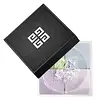 Key Ingredients
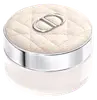
Benefits
Concerns
Ingredients Side-by-side
Talc
Abrasive
Synthetic Fluorphlogopite
Silica
Abrasive

Dimethicone
Emollient

Caprylyl Glycol
Emollient
Pentylene Glycol
Skin Conditioning
Phenyl Trimethicone
Skin Conditioning
Hdi/Trimethylol Hexyllactone Crosspolymer
Sodium Dehydroacetate
Preservative
Diisostearyl Malate
EmollientOctyldodecyl Stearoyl Stearate
Emollient

Tocopheryl Acetate
Antioxidant


Parfum
Masking



Sorbitan Sesquioleate
Emulsifying
Geraniol
Perfuming
BHT
Antioxidant
Tocopherol
Antioxidant



CI 77491
Cosmetic ColorantCI 77288
Cosmetic ColorantCI 19140
Cosmetic ColorantCI 77007
Cosmetic ColorantCI 77742
Cosmetic ColorantCI 77891
Cosmetic ColorantTalc, Synthetic Fluorphlogopite, Silica, Dimethicone, Caprylyl Glycol, Pentylene Glycol, Phenyl Trimethicone, Hdi/Trimethylol Hexyllactone Crosspolymer, Sodium Dehydroacetate, Diisostearyl Malate, Octyldodecyl Stearoyl Stearate, Tocopheryl Acetate, Parfum, Sorbitan Sesquioleate, Geraniol, BHT, Tocopherol, CI 77491, CI 77288, CI 19140, CI 77007, CI 77742, CI 77891
Polyethylene
Abrasive
Calcium Sodium Borosilicate
Zea Mays Starch
Absorbent
Ethylene/Acrylic Acid Copolymer
Emulsion StabilisingDiphenyl Dimethicone/Vinyl Diphenyl Dimethicone/Silsesquioxane Crosspolymer
Methyl Methacrylate Crosspolymer
Silica
Abrasive
Synthetic Fluorphlogopite
Caprylyl Glycol
Emollient
Pentylene Glycol
Skin Conditioning
Iris Florentina Root Extract
MaskingHydroxyacetophenone
Antioxidant
Parfum
Masking
Dimethicone
Emollient
Sodium Benzoate
Masking
Raspberry Ketone
Masking
Water
Skin ConditioningPotassium Sorbate
Preservative
Tocopherol
Antioxidant
Hyaluronic Acid
Humectant
CI 77492
Cosmetic ColorantPolyethylene, Calcium Sodium Borosilicate, Zea Mays Starch, Ethylene/Acrylic Acid Copolymer, Diphenyl Dimethicone/Vinyl Diphenyl Dimethicone/Silsesquioxane Crosspolymer, Methyl Methacrylate Crosspolymer, Silica, Synthetic Fluorphlogopite, Caprylyl Glycol, Pentylene Glycol, Iris Florentina Root Extract, Hydroxyacetophenone, Parfum, Dimethicone, Sodium Benzoate, Raspberry Ketone, Water, Potassium Sorbate, Tocopherol, Hyaluronic Acid, CI 77492
Reviews
Ingredients Explained
These ingredients are found in both products.
Ingredients higher up in an ingredient list are typically present in a larger amount.
Caprylyl Glycol is a humectant, skin conditioner, emollient, and preservative booster derived from either caprylic acid or synthetically created.
Typical use levels vary from 0.3-1% as a preservative booster and go up to 2% to condition skin.
Because it is not a free-fatty acid, this ingredient is fungal acne safe (there's nothing for Malassezia to feed on).
Learn more about Caprylyl GlycolDimethicone is a type of synthetic silicone created from natural materials such as quartz. It is also known as polydimethylsiloxane.
What it does:
Dimethicone comes in different viscosities:
Depending on the viscosity, dimethicone has different properties.
Ingredients lists don't always show which type is used, so we recommend reaching out to the brand if you have questions about the viscosity.
This ingredient is unlikely to cause irritation because it does not get absorbed into skin. However, people with silicone allergies should be careful about using this ingredient.
Note: Dimethicone may contribute to pilling. This is because it is not oil or water soluble, so pilling may occur when layered with products. When mixed with heavy oils in a formula, the outcome is also quite greasy.
Learn more about DimethiconeParfum is a catch-all term for an ingredient or more that is used to give a scent to products.
Also called "fragrance", this ingredient can be a blend of hundreds of chemicals or plant oils. This means every product with "fragrance" or "parfum" in the ingredients list is a different mixture.
For instance, Habanolide is a proprietary trade name for a specific aroma chemical. When used as a fragrance ingredient in cosmetics, most aroma chemicals fall under the broad labeling category of “FRAGRANCE” or “PARFUM” according to EU and US regulations.
The term 'parfum' or 'fragrance' is not regulated in many countries. In many cases, it is up to the brand to define this term.
For instance, many brands choose to label themselves as "fragrance-free" because they are not using synthetic fragrances. However, their products may still contain ingredients such as essential oils that are considered a fragrance by INCI standards.
One example is Calendula flower extract. Calendula is an essential oil that still imparts a scent or 'fragrance'.
Depending on the blend, the ingredients in the mixture can cause allergies and sensitivities on the skin. Some ingredients that are known EU allergens include linalool and citronellol.
Parfum can also be used to mask or cover an unpleasant scent.
The bottom line is: not all fragrances/parfum/ingredients are created equally. If you are worried about fragrances, we recommend taking a closer look at an ingredient. And of course, we always recommend speaking with a professional.
Learn more about ParfumPentylene Glycol (1,2-pentanediol) is a multitasking little diol with three main roles in a formula:
Research on alkanediols (the family pentylene glycol belongs to) show they work by disrupting microbial cell membranes. This disruption helps the primary preservative system in a product work more effectively at lower doses.
On the safety side, the Cosmetic Ingredient Review Expert Panel has concluded this ingredient to be safe as used in current cosmetic practices + concentrations.
Typical use levels in a formula run about 1-5%.
Learn more about Pentylene GlycolSilica, also known as silicon dioxide, is a naturally occurring mineral. It is used as a fine, spherical, and porous powder in cosmetics.
Though it has exfoliant properties, the function of silica varies depending on the product.
The unique structure of silica enhances the spreadability and adds smoothness, making it a great texture enhancer.
It is also used as an active carrier, emulsifier, and mattifier due to its ability to absorb excess oil.
In some products, tiny microneedles called spicules are made from silica or hydrolyzed sponge. When you rub them in, they lightly polish away dead skin layers and enhance the penetration of active ingredients.
Learn more about SilicaSynthetic Fluorphlogopite is the synthethic version of mica. It consists of fluorine, aluminum and silicate.
Synthetic Fluorphlogopite is used to add volume to products.
It is considered non-irritating on the skin.
Learn more about Synthetic FluorphlogopiteTocopherol is a fat-soluble antioxidant known as Vitamin E.
You'll find this ingredient in the vast majority of skincare (for good reason). It works to neutralize free radicals, or unstable molecules generated by UV exposure, pollution, and other environmental stressors, before they can cause oxidative damage to your skin cells.
Topically applied tocopherol has been shown to protect against UV damage by ramping up the skin's own natural defense enzymes.
It also acts as a skin conditioning agent; some studies show that regular topical use can improve the skin's water-binding capacity over 2-4 weeks.
This ingredient is especially loved for being a team player. When combined with Vitamin C, the photoprotective effect of both ingredients roughly doubles and the combo also helps reduce UV-induced DNA damage.
This ingredient has some brightening potential but it's more of a prevention ingredient than spot-fader. Cell studies show it can slow down melanin production but it's worth noting that it's not the most powerful brightener out there.
In formulations, it also serves as a stabilizer that helps protect other oxidation-prone ingredients from degrading.
Concentrations usually range from 0.1-1% in most leave-on products.
Learn more about Tocopherol

