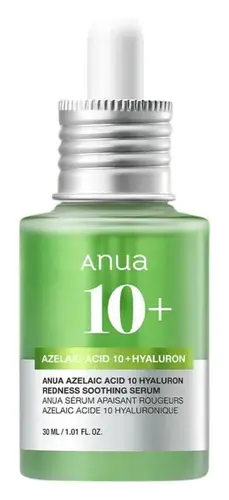
What's inside
What's inside
 Key Ingredients
No key ingredients
Benefits
Concerns
Ingredients Side-by-side
Water
Skin ConditioningSodium Cocoamphoacetate
CleansingLauryl Glucoside
CleansingSodium Cocoyl Glutamate
Cleansing
Sodium Lauryl Glucose Carboxylate
CleansingDecyl Glucoside
Cleansing
Cocamidopropyl Betaine
Cleansing


Glycerin
Humectant


Panthenol
Skin Conditioning

Potassium Sorbate
Preservative
Citric Acid
Buffering

Polysorbate 20
Emulsifying
Phenoxyethanol
Preservative
Parfum
Masking

Aloe Barbadensis Leaf Juice
Skin Conditioning
Helianthus Annuus Seed Oil
Emollient
Glycine Soja Seed Extract
Skin Conditioning
Betula Alba Bud Extract
Skin ConditioningMalva Sylvestris Extract
AstringentAchillea Millefolium Extract
CleansingChamomilla Recutita Flower Extract
Masking
Equisetum Arvense Extract
AstringentLavandula Angustifolia Extract
Skin Conditioning
Rosmarinus Officinalis Leaf Extract
AntimicrobialSalvia Sclarea Extract
AntiseborrhoeicThymus Vulgaris Extract
Perfuming
Tussilago Farfara Flower Extract
AstringentUrtica Dioica Extract
AstringentWater, Sodium Cocoamphoacetate, Lauryl Glucoside, Sodium Cocoyl Glutamate, Sodium Lauryl Glucose Carboxylate, Decyl Glucoside, Cocamidopropyl Betaine, Glycerin, Panthenol, Potassium Sorbate, Citric Acid, Polysorbate 20, Phenoxyethanol, Parfum, Aloe Barbadensis Leaf Juice, Helianthus Annuus Seed Oil, Glycine Soja Seed Extract, Betula Alba Bud Extract, Malva Sylvestris Extract, Achillea Millefolium Extract, Chamomilla Recutita Flower Extract, Equisetum Arvense Extract, Lavandula Angustifolia Extract, Rosmarinus Officinalis Leaf Extract, Salvia Sclarea Extract, Thymus Vulgaris Extract, Tussilago Farfara Flower Extract, Urtica Dioica Extract
Melaleuca Alternifolia Leaf Water
Antimicrobial

Mentha Piperita Callus Lysate
Antioxidant
Eucalyptus Globulus Leaf
Skin ConditioningRosmarinus Officinalis Leaf
Skin ConditioningUrtica Dioica
Thymus Vulgaris Flower/Leaf Extract
MaskingBetula Ermanii Bark
Skin ConditioningAnthemis Nobilis Flower Extract
Masking
Salvia Sclarea Oil
Masking
Lavandula Angustifolia Extract
Skin Conditioning
Tussilago Farfara Leaf Extract
AstringentAchillea Millefolium Oil
Cleansing
Malva Sylvestris Seed
Skin ConditioningEquisetum Arvense Juice
Skin ConditioningGlycine Soja Protein
EmulsifyingSodium C12-14 Olefin Sulfonate
CleansingCocamidopropyl Betaine
Cleansing
Tocopherol
Antioxidant

Citric Acid
Buffering
Phenoxyethanol
Preservative
Sodium Chloride
MaskingCitrus Grandis
Melaleuca Alternifolia Leaf Water, Mentha Piperita Callus Lysate, Eucalyptus Globulus Leaf, Rosmarinus Officinalis Leaf, Urtica Dioica, Thymus Vulgaris Flower/Leaf Extract, Betula Ermanii Bark, Anthemis Nobilis Flower Extract, Salvia Sclarea Oil, Lavandula Angustifolia Extract, Tussilago Farfara Leaf Extract, Achillea Millefolium Oil, Malva Sylvestris Seed, Equisetum Arvense Juice, Glycine Soja Protein, Sodium C12-14 Olefin Sulfonate, Cocamidopropyl Betaine, Tocopherol, Citric Acid, Phenoxyethanol, Sodium Chloride, Citrus Grandis
Reviews
Alternatives
Ingredients Explained
These ingredients are found in both products.
Ingredients higher up in an ingredient list are typically present in a larger amount.
Citric Acid is an alpha hydroxy acid (AHA) naturally found in citrus fruits like oranges, lemons, and limes.
Like other AHAs, citric acid can exfoliate skin by breaking down the bonds that hold dead skin cells together. This helps reveal smoother and brighter skin underneath.
However, this exfoliating effect only happens at high concentrations (20%) which can be hard to find in cosmetic products.
Due to this, citric acid is usually included in small amounts as a pH adjuster. This helps keep products slightly more acidic and compatible with skin's natural pH.
In skincare formulas, citric acid can:
While it can provide some skin benefits, research shows lactic acid and glycolic acid are generally more effective and less irritating exfoliants.
Most citric acid used in skincare today is made by fermenting sugars (usually from molasses). This synthetic version is identical to the natural citrus form but easier to stabilize and use in formulations.
Rosacea skin has a lower threshold for acids generally, with 62.5% of rosacea subjects in one study reacting to lactic acid in a sting test. This is why we mark citric acid as a potential rosacea trigger.
However, this ingredient shows up as a pH adjuster or chelator at roughly 0.1-1% in many products. These low levels are unlikely to be an issue for rosacea skin and becomes a potential trigger at exfoliating concentrations (20%). Because everybody's skin is unique, we recommend a patch test if you are unsure.
Learn more about Citric AcidCocamidopropyl Betaine is a fatty acid created by mixing similar compounds in coconut oil and dimethylaminopropylamine, a compound with two amino groups.
This ingredient is a surfactant and cleanser. It helps gather the dirt, pollutants, and other impurities in your skin to be washed away. It also helps thicken a product and make the texture more creamy.
Being created from coconut oil means Cocamidopropyl Betaine is hydrating for the skin.
While Cocamidopropyl Betaine was believed to be an allergen, a study from 2012 disproved this. It found two compounds in unpure Cocamidopropyl Betaine to be the irritants: aminoamide and 3-dimethylaminopropylamine. High-grade and pure Cocamidopropyl Betaine did not induce allergic reactions during this study.
Learn more about Cocamidopropyl BetaineLavandula Angustifolia Extract comes from the flowers and leaves of the lavender plant. It's mostly used in skincare for its scent plus a bit of skin conditioning properties.
Lab research credits it with soothing, antioxidant, and wound-supporting effects. This is largely thanks to a compound called rosmarinic acid.
Rosmarinic acid has been shown to calm inflammation signaling in skin cells (the same pathways that flare up in conditions like eczema and psoriasis). It also has real antimicrobial and antifungal activity in test-tube studies.
This ingredient is typically used in low concentrations (generally well under 1%) where it acts as a light fragrance + mild skin soother extract.
The main thing to know is that lavender contains two naturally fragrant molecules: Linalool and Linalyl Acetate. Some people's skin does perfectly fine with fragrance while others don't.
Just be sure to patch test if you have reactive skin or known plant allergies.
Linalool and Linalyl Acetate are gentle when fresh but oxidize into compounds that can cause allergic contact dermatitis when exposed to air. Patch-test studies of patients already being investigated for skin allergies found about 5-7% of patients had reactions to oxidized linalool, and 2.8% of patients reacted to oxidized lavender oil.
Learn more about Lavandula Angustifolia ExtractPhenoxyethanol is one of the most widely used preservatives in skincare (and for good reason!).
It has a large spectrum of antimicrobial activity and especially effective bacteria, yeast, and mold while only having a weak effect on your skin's natural microbiome.
On a cellular level, it disrupts the cell membranes of microbes by poking holes that make the cell leak. This shuts down the chemical reactions the microbe needs to make energy so it can no longer survive.
Another perk of this ingredient is that it stays functional across a wide pH range (3-10).
You'll often see it paired with boosters like Ethylhexylglycerin; one study showed that a 1:9 ratio of Ethylhexylglycerin to Phenoxyethanol damages bacterial membranes as effectively as doubling the Phenoxyethanol concentration on its own.
Typical use concentrations range from 0.3-1% depending on the formula, and this ingredient is capped at 1% int the EU.
Safety-wise, the fear mongering does not hold up to the evidence. The EU's Scientific Committee on Consumer Safety and FDA consider it safe as a preservative at up to 1%, including for children of all ages.
Adverse systemic effects only showed up in animal studies at exposures roughly 200x higher than what people get from cosmetics. And despite its very widespread use, this ingredient is a rare sensitizer and allergic reactions are uncommon.
Learn more about Phenoxyethanol