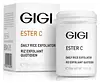
This smoothing exfoliator is formulated around Salicylic Acid and Ascorbyl Tetraisopalmitate to refine skin texture and brighten dull-looking skin.
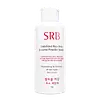
This mild powder cleanser is mild enough to cleanse without leaving skin feeling tight or stripped.


What's inside
What's inside
 Key Ingredients
Benefits
Concerns
Ingredients Side-by-side
Microcrystalline Cellulose
AbsorbentMagnesium Oxide
AbsorbentAvena Sativa Kernel Meal
Abrasive
Sodium Lauryl Sulfoacetate
CleansingTitanium Dioxide
Cosmetic Colorant

Oryza Sativa Powder
Cellulose Gum
Emulsion StabilisingSalicylic Acid
Masking










Allantoin
Skin Conditioning




Citric Acid
Buffering
Parfum
Masking

Ascorbyl Tetraisopalmitate
Antioxidant



Aloe Barbadensis Leaf Juice
Skin Conditioning
Dipotassium Glycyrrhizate
Humectant
Eugenol
Perfuming
Farnesol
Perfuming
Geraniol
Perfuming
Linalool
Perfuming
Citronellol
Perfuming
Limonene
Perfuming
Citral
Perfuming
Microcrystalline Cellulose, Magnesium Oxide, Avena Sativa Kernel Meal, Sodium Lauryl Sulfoacetate, Titanium Dioxide, Oryza Sativa Powder, Cellulose Gum, Salicylic Acid, Allantoin, Citric Acid, Parfum, Ascorbyl Tetraisopalmitate, Aloe Barbadensis Leaf Juice, Dipotassium Glycyrrhizate, Eugenol, Farnesol, Geraniol, Linalool, Citronellol, Limonene, Citral
Zea Mays Starch
Absorbent
Sodium Cocoyl Isethionate
Cleansing
Sodium Lauroyl Glutamate
SurfactantOryza Sativa Bran Extract
Skin Conditioning
Citrus Grandis Seed Extract
Astringent
Pollen Extract
EmollientAllantoin
Skin Conditioning
Collagen
Moisturising
Betaine
Humectant
Aloe Barbadensis Leaf Juice
Skin Conditioning
Sorbitol
Humectant
Isopropyl Palmitate
Emollient

Ascorbyl Palmitate
Antioxidant
CI 77891
Cosmetic ColorantCitric Acid
Buffering
Disodium EDTA
ChelatingPapain
Skin Conditioning
Parfum
Masking
Zea Mays Starch, Sodium Cocoyl Isethionate, Sodium Lauroyl Glutamate, Oryza Sativa Bran Extract, Citrus Grandis Seed Extract, Pollen Extract, Allantoin, Collagen, Betaine, Aloe Barbadensis Leaf Juice, Sorbitol, Isopropyl Palmitate, Ascorbyl Palmitate, CI 77891, Citric Acid, Disodium EDTA, Papain, Parfum
Reviews
Ingredients Explained
These ingredients are found in both products.
Ingredients higher up in an ingredient list are typically present in a larger amount.
Allantoin is a soothing ingredient known for its protective and moisturizing properties; it's basically a quiet workhorse ingredient you can find in a huge range of cosmetics.
Though it can be derived from the comfrey plant, allantoin is produced synthetically for cosmetic products to ensure purity.
Research shows it can encourage your skin cells to turn over and renew by stimulating keratinocyte and fibroblast proliferation.
It also has mild keratolytic properties to help loosen and shed dead skin cells without being harsh.
Studies also suggest allantoin can help calm inflammation by dialing down some of the chemical signals your skin sends out when it is irritated.
This ingredient is typically used in the 0.1-0.5% range, and the FDA recognizes it as a skin protectant in OTC products up to 2%.
Overall, allantoin is a wonderful addition to most routines; it is stable across a wide pH range (~4-8), works well with other ingredients, and is considered non-sensitizing/non-irritating.
Fun fact: Allantoin is naturally occurring in comfrey root, beets, chamomile, and wheat sprouts. Our bodies even produce it as a byproduct of uric acid metabolism.
Learn more about AllantoinAloe Barbadensis Leaf Juice is the filtered, stabilized liquid pressed from the inner gel of the aloe vera leaf.
In cosmetics, it shows up as either soothing active or a water-replacement base. It is roughly 98-99% water and the last 1-2% is an interesting mix of polysaccharides, amino acids, vitamins, minerals, and enzymes.
The polysaccharides do most of the work: they bind water at the skin surface for a light, non-greasy hydration boost. And one of the polysaccharides, glycomannan, is linked to fibroblast stimulation + collagen synthesis. This is also why aloe has such a long track record in wound and burn healing.
This ingredient is also calming with anti-inflammatory and mild antimicrobial activity, making it a great pick for sensitive, irritated, or post-sun skin.
Realistic expectations matter though; the solid evidence is mostly limited to hydration, soothing, and wound support. Deeper claims about anti-aging or sun protection are not well backed, and science reviews note it does not prevent radiation-induced skin injury.
Because it plays well with almost everything, it's commonly used as a base alongside other actives like niacinamide or vitamin C.
Typical usage concentrations range from 0.5% (where hydration benefits already show up) all the way to 90%+ (where it replaces water as the main base).
The safety for this ingredient is well-establish as well. Overall, this is a great supporting ingredient for those who want a boost in hydration.
Learn more about Aloe Barbadensis Leaf JuiceCitric Acid is an alpha hydroxy acid (AHA) naturally found in citrus fruits like oranges, lemons, and limes.
Like other AHAs, citric acid can exfoliate skin by breaking down the bonds that hold dead skin cells together. This helps reveal smoother and brighter skin underneath.
However, this exfoliating effect only happens at high concentrations (20%) which can be hard to find in cosmetic products.
Due to this, citric acid is usually included in small amounts as a pH adjuster. This helps keep products slightly more acidic and compatible with skin's natural pH.
In skincare formulas, citric acid can:
While it can provide some skin benefits, research shows lactic acid and glycolic acid are generally more effective and less irritating exfoliants.
Most citric acid used in skincare today is made by fermenting sugars (usually from molasses). This synthetic version is identical to the natural citrus form but easier to stabilize and use in formulations.
Rosacea skin has a lower threshold for acids generally, with 62.5% of rosacea subjects in one study reacting to lactic acid in a sting test. This is why we mark citric acid as a potential rosacea trigger.
However, this ingredient shows up as a pH adjuster or chelator at roughly 0.1-1% in many products. These low levels are unlikely to be an issue for rosacea skin and becomes a potential trigger at exfoliating concentrations (20%). Because everybody's skin is unique, we recommend a patch test if you are unsure.
Learn more about Citric AcidParfum is a catch-all term for an ingredient or more that is used to give a scent to products.
Also called "fragrance", this ingredient can be a blend of hundreds of chemicals or plant oils. This means every product with "fragrance" or "parfum" in the ingredients list is a different mixture.
For instance, Habanolide is a proprietary trade name for a specific aroma chemical. When used as a fragrance ingredient in cosmetics, most aroma chemicals fall under the broad labeling category of “FRAGRANCE” or “PARFUM” according to EU and US regulations.
The term 'parfum' or 'fragrance' is not regulated in many countries. In many cases, it is up to the brand to define this term.
For instance, many brands choose to label themselves as "fragrance-free" because they are not using synthetic fragrances. However, their products may still contain ingredients such as essential oils that are considered a fragrance by INCI standards.
One example is Calendula flower extract. Calendula is an essential oil that still imparts a scent or 'fragrance'.
Depending on the blend, the ingredients in the mixture can cause allergies and sensitivities on the skin. Some ingredients that are known EU allergens include linalool and citronellol.
Parfum can also be used to mask or cover an unpleasant scent.
The bottom line is: not all fragrances/parfum/ingredients are created equally. If you are worried about fragrances, we recommend taking a closer look at an ingredient. And of course, we always recommend speaking with a professional.
Learn more about Parfum

