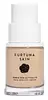
This hydrating serum is formulated around Olea Europaea Fruit Oil and Squalane to hydrate skin and strengthen the skin barrier.
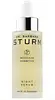
This hydrating serum is formulated around Sodium Hyaluronate to hydrate skin and strengthen the skin barrier.


What's inside
What's inside
 Key Ingredients
Benefits
Concerns
Ingredients Side-by-side
Water
Skin ConditioningOlea Europaea Leaf Water
Skin ConditioningOlea Europaea Fruit Oil
Masking






Glycerin
Humectant

Propanediol
Solvent
Citric Acid
Buffering

Zea Mays Starch
Absorbent
Squalane
Emollient
Helianthus Annuus Flower Extract
Skin ConditioningAsparagus Officinalis Stem Extract
Skin ConditioningBeta Vulgaris Leaf Extract
Skin ConditioningCichorium Intybus Leaf Extract
MaskingMalva Sylvestris Leaf Extract
Skin ConditioningMalva Sylvestris Flower Extract
Skin ConditioningNigella Sativa Seed Extract
Perfuming
Silybum Marianum Fruit Extract
Skin Conditioning
Prunus Spinosa Fruit Extract
Skin ConditioningEquisetum Arvense Extract
AstringentLamium Album Extract
AstringentCichorium Intybus Root Oligosaccharides
Skin ConditioningCaesalpinia Spinosa Gum
Skin ConditioningXanthan Gum
EmulsifyingHyaluronic Acid
Humectant
Lactobacillus Ferment
Skin Conditioning
Helianthus Annuus Seed Oil
Emollient
Alkanna Tinctoria Root Extract
Skin ConditioningPolyglyceryl-10 Caprylate
EmulsifyingGlyceryl Caprylate
EmollientGlyceryl Undecylenate
Emollient
Sodium Benzoate
Masking
Potassium Sorbate
Preservative
Gluconolactone
Chelating



Calcium Gluconate
HumectantWater, Olea Europaea Leaf Water, Olea Europaea Fruit Oil, Glycerin, Propanediol, Citric Acid, Zea Mays Starch, Squalane, Helianthus Annuus Flower Extract, Asparagus Officinalis Stem Extract, Beta Vulgaris Leaf Extract, Cichorium Intybus Leaf Extract, Malva Sylvestris Leaf Extract, Malva Sylvestris Flower Extract, Nigella Sativa Seed Extract, Silybum Marianum Fruit Extract, Prunus Spinosa Fruit Extract, Equisetum Arvense Extract, Lamium Album Extract, Cichorium Intybus Root Oligosaccharides, Caesalpinia Spinosa Gum, Xanthan Gum, Hyaluronic Acid, Lactobacillus Ferment, Helianthus Annuus Seed Oil, Alkanna Tinctoria Root Extract, Polyglyceryl-10 Caprylate, Glyceryl Caprylate, Glyceryl Undecylenate, Sodium Benzoate, Potassium Sorbate, Gluconolactone, Calcium Gluconate
Water
Skin ConditioningButylene Glycol
Humectant
Lactobacillus/Portulaca Oleracea Ferment Extract
Antioxidant
Alcohol
Antimicrobial


Sodium Hyaluronate
Humectant
Glycerin
Humectant
Magnesium Carboxymethyl Beta-Glucan
Skin ConditioningOnopordum Acanthium Flower/Leaf/Stem Extract
Skin ConditioningCassia Alata Leaf Extract
AstringentLeuconostoc/Radish Root Ferment Filtrate
Antimicrobial
Phragmites Karka Extract
Skin ConditioningPoria Cocos Extract
Skin ConditioningPlankton Extract
Skin ConditioningXanthan Gum
EmulsifyingEthylhexylglycerin
Skin ConditioningPhenoxyethanol
Preservative
Sodium Benzoate
Masking
Water, Butylene Glycol, Lactobacillus/Portulaca Oleracea Ferment Extract, Alcohol, Sodium Hyaluronate, Glycerin, Magnesium Carboxymethyl Beta-Glucan, Onopordum Acanthium Flower/Leaf/Stem Extract, Cassia Alata Leaf Extract, Leuconostoc/Radish Root Ferment Filtrate, Phragmites Karka Extract, Poria Cocos Extract, Plankton Extract, Xanthan Gum, Ethylhexylglycerin, Phenoxyethanol, Sodium Benzoate
Alternatives
Ingredients Explained
These ingredients are found in both products.
Ingredients higher up in an ingredient list are typically present in a larger amount.
Glycerin (or glycerol) is a compound naturally found in your skin. It's a powerhouse humectant that pulls water into the stratum corneum.
Topically, glycerin does several things at once:
Your skin makes glycerin on its own (mostly from sebaceous oil breakdown) and shuttles it to your outermost layer of skin, or your epidermis, via aquaporin-3.
Aquaporin-3 is a transporter that is essential for normal skin hydration, elasticity, and repair. Interestingly, mice lacking in AQP3 have dry and less elastic skin that can be fully corrected with glycerin.
This ingredient is non-irritating, plays well with almost every ingredient, and works across all skin types. Typical use is anywhere between 3-10% but can go up to 79% in some leave-on products.
Just know very high concentrations (>40%) can feel tacky in low humidity.
Glycerin is the name for this ingredient in American English. British English uses Glycerol/Glycerine.
Learn more about GlycerinSodium Benzoate is a preservative. It's used in both cosmetic and food products to inhibit the growth of mold and bacteria. It is typically produced synthetically.
Both the US FDA and EU Health Committee have approved the use of sodium benzoate. In the US, levels of 0.1% (of the total product) are allowed.
Sodium benzoate works as a preservative by inhibiting the growth of bacteria inside of cells. It prevents the cell from fermenting a type of sugar using an enzyme called phosphofructokinase.
It is the salt of benzoic acid. Foods containing sodium benzoate include soda, salad dressings, condiments, fruit juices, wines, and snack foods.
Studies for using ascorbic acid and sodium benzoate in cosmetics are lacking, especially in skincare routines with multiple steps.
We always recommend speaking with a professional, such as a dermatologist, if you have any concerns.
Learn more about Sodium BenzoateWater. It's the most common cosmetic ingredient of all. You'll usually see it at the top of ingredient lists, meaning that it makes up the largest part of the product.
So why is it so popular? Water most often acts as a solvent - this means that it helps dissolve other ingredients into the formulation.
You'll also recognize water as that liquid we all need to stay alive. If you see this, drink a glass of water. Remember to stay hydrated!
Learn more about WaterXanthan gum is used as a stabilizer and thickener within cosmetic products. It helps give products a sticky, thick feeling - preventing them from being too runny.
On the technical side of things, xanthan gum is a polysaccharide - a combination consisting of multiple sugar molecules bonded together.
Xanthan gum is a pretty common and great ingredient. It is a natural, non-toxic, non-irritating ingredient that is also commonly used in food products.
Learn more about Xanthan Gum

