Fenty Beauty Pro Filt'r Instant Retouch Setting Powder Versus Koh Gen Do Maifanshi Sheer Moist Powder


What's inside
What's inside
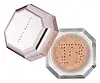 Key Ingredients
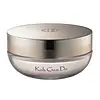
Benefits
Concerns
Ingredients Side-by-side




Vinyl Dimethicone/Methicone Silsesquioxane Crosspolymer


Methyl Methacrylate Crosspolymer
Lauroyl Lysine
Skin Conditioning
Boron Nitride
Absorbent
Synthetic Fluorphlogopite
Dimethicone
Emollient
Squalane
Emollient


Silica
Abrasive

Simmondsia Chinensis Seed Oil
Emollient


Butyrospermum Parkii Oil
Emollient
Perilla Ocymoides Seed Oil
Skin Conditioning
Argania Spinosa Kernel Oil
Emollient

Vaccinium Macrocarpon Seed Oil
Skin Conditioning

Gevuina Avellana Seed Oil
Skin Conditioning
Aleurites Moluccanus Seed Oil
Skin Conditioning
Ceramide Ng
Skin Conditioning
Sodium Hyaluronate
Humectant

Hydrolyzed Yeast Extract
Skin ConditioningPolyglutamic Acid
Skin Conditioning
Glycosphingolipids
EmollientHydrogenated Lecithin
Emulsifying
Lysolecithin
EmulsifyingHibiscus Esculentus Fruit Extract
Skin ConditioningPolyquaternium-51
Skin Conditioning
Water
Skin ConditioningButylene Glycol
Humectant
Sodium Hydroxide
BufferingCitric Acid
Buffering

Ascorbyl Palmitate
Antioxidant

Ascorbyl Dipalmitate
Antioxidant
Tocopherol
Antioxidant
Chlorphenesin
Antimicrobial
Hydrogen Dimethicone
Sodium Dehydroacetate
Preservative
Phenoxyethanol
Preservative
Mica
Cosmetic ColorantIron Oxides
CI 77491
Cosmetic ColorantCI 77492
Cosmetic ColorantCI 77499
Cosmetic ColorantCI 77891
Cosmetic ColorantVinyl Dimethicone/Methicone Silsesquioxane Crosspolymer, Methyl Methacrylate Crosspolymer, Lauroyl Lysine, Boron Nitride, Synthetic Fluorphlogopite, Dimethicone, Squalane, Silica, Simmondsia Chinensis Seed Oil, Butyrospermum Parkii Oil, Perilla Ocymoides Seed Oil, Argania Spinosa Kernel Oil, Vaccinium Macrocarpon Seed Oil, Gevuina Avellana Seed Oil, Aleurites Moluccanus Seed Oil, Ceramide Ng, Sodium Hyaluronate, Hydrolyzed Yeast Extract, Polyglutamic Acid, Glycosphingolipids, Hydrogenated Lecithin, Lysolecithin, Hibiscus Esculentus Fruit Extract, Polyquaternium-51, Water, Butylene Glycol, Sodium Hydroxide, Citric Acid, Ascorbyl Palmitate, Ascorbyl Dipalmitate, Tocopherol, Chlorphenesin, Hydrogen Dimethicone, Sodium Dehydroacetate, Phenoxyethanol, Mica, Iron Oxides, CI 77491, CI 77492, CI 77499, CI 77891
Reviews
Ingredients Explained
These ingredients are found in both products.
Ingredients higher up in an ingredient list are typically present in a larger amount.
Ci 77891 is a white pigment from Titanium dioxide. It is naturally found in minerals such as rutile and ilmenite.
It's main function is to add a white color to cosmetics. It can also be mixed with other colors to create different shades.
Ci 77891 is commonly found in sunscreens due to its ability to block UV rays.
Learn more about CI 77891Dimethicone is a type of synthetic silicone created from natural materials such as quartz. It is also known as polydimethylsiloxane.
What it does:
Dimethicone comes in different viscosities:
Depending on the viscosity, dimethicone has different properties.
Ingredients lists don't always show which type is used, so we recommend reaching out to the brand if you have questions about the viscosity.
This ingredient is unlikely to cause irritation because it does not get absorbed into skin. However, people with silicone allergies should be careful about using this ingredient.
Note: Dimethicone may contribute to pilling. This is because it is not oil or water soluble, so pilling may occur when layered with products. When mixed with heavy oils in a formula, the outcome is also quite greasy.
Learn more about DimethiconeSilica, also known as silicon dioxide, is a naturally occurring mineral. It is used as a fine, spherical, and porous powder in cosmetics.
Though it has exfoliant properties, the function of silica varies depending on the product.
The unique structure of silica enhances the spreadability and adds smoothness, making it a great texture enhancer.
It is also used as an active carrier, emulsifier, and mattifier due to its ability to absorb excess oil.
In some products, tiny microneedles called spicules are made from silica or hydrolyzed sponge. When you rub them in, they lightly polish away dead skin layers and enhance the penetration of active ingredients.
Learn more about SilicaSqualane is the hydrogenated and shelf-stable form of squalene (a lipid that naturally occurs in human sebum).
It is an emollient and skin conditioning agent that is able to integrate seamlessly into the skin's lipid barrier without clogging pores.
This is due to how structurally similar it is to what your skin already produces.
Though it is mostly an emollient that helps soften and hydrate skin, it also has some humectant and occlusive action. Humectants help the skin retain moisture while occlusives seal it in, making squalane a triple-threat moisturizer.
Research shows it has antioxidant capabilities that help protect against stressors like UV exposure, specifically UVA induced oxidative stress. This study also found that it supports collagen biosynthesis in human dermal fibroblasts.
No clinical study has reported significant adverse effects and irritation reactions are very rare from this ingredient (even at 100% concentration).
Overall, it's a fantastic ingredient for hydration and is suitable for all skin types.
This depends on the source. Squalane can be derived from both plants and animals. Most squalane used in skincare comes from plants.
Please note: the source of squalane is only known if disclosed by the brand. We recommend reaching out to the brand if you have any questions about their squalane.
Read more about squalene with an "e".
Though squalane is often called an oil, it’s technically not one. It is a hydrocarbon, meaning it is only made of carbon and hydrogen. True oils are triglycerides and made of fatty acids and glycerol.
The term “oil-free” isn’t regulated so companies can define it however they want. Some exclude all oils, while others just avoid mineral oil or comedogenic oils.
Squalane has a comedogenic rating of 1 from the original 1972 study that tested raw ingredients under occlusion on rabbit ears. This system is not standardized or peer-reviewed, and using the raw ingredients is very different from how diluted cosmetic formulations are used on human skin.
A comedogenic rating of 1 means it is "unlikely to clog pores" according to the original rating system.
The overall formula of a product matters more than the individual ingredients on whether or not it will cause clogged pores.
Learn more about SqualaneThis ingredient is a combination of red, black, and yellow iron oxide pigments. This combination of colors is usually found in foundation, because it results in a "skin" color.
The EU typically uses CI numbers for colorants when applicable, such as CI 77489. In the US, iron oxides are regulated as color additives and "iron oxides" is the most commonly used name in US cosmetic practice.
A 2021 paper looked at skincare formulations containing iron oxides and found that they reduced transmission of blue light when measured optically. In simple terms, the pigment particles helped block or scatter part of the visible light spectrum in lab testing and the authors suggest this could translate into better protection against blue-light-related skin effects.
There is also clinical and experimental research showing that tinted products containing iron oxides can reduce visible light-induced pigmentation:
Please note, whether a product reduces visible or blue light depends on things like:
In the EU's CosIng database, iron oxides are only listed as a colorant. CosIng groups ingredients by their main cosmetic role, such as colorant, preservative, or UV filter.
Though studies say iron oxides can "attenuate blue light", they're describing an optical property and not an officially recognized cosmetic function.
So CosIng isn’t contradicting the research. It’s just classifying iron oxides by what they officially are: pigments that add color.
Learn more about Iron Oxides

