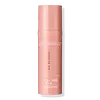
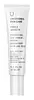
Exuviance Age Reverse+ Total 360 Eye Contour Versus Uncovered Skin Care Firm & Smooth Hydrating Eye Serum
This anti-aging eye moisturizer is formulated around Acetyl Glucosamine and Palmitoyl Tetrapeptide-7 to soften the look of wrinkles.
This anti-aging eye moisturizer is formulated around Aloe Barbadensis Leaf Juice and Hesperidin Methyl Chalcone to soften the look of wrinkles and hydrate skin.

What's inside
What's inside
 Key Ingredients
Benefits
Concerns
Ingredients Side-by-side
Water
Skin ConditioningAcetyl Glucosamine
Skin Conditioning


Glycerin
Humectant


Cetearyl Olivate


Butylene Glycol
Humectant
C13-15 Alkane
SolventIsopropyl Palmitate
Emollient


Sorbitan Olivate
Emulsifying
Glyceryl Dilaurate
Emollient
Acetyl Dipeptide-31 Amide
Skin Conditioning
Palmitoyl Tetrapeptide-7
Skin Conditioning
Sodium Hyaluronate
Humectant

Saccharomyces Cerevisiae Extract
Skin Conditioning
Hesperidin Methyl Chalcone
Antioxidant
Camellia Sinensis Leaf Extract
Antimicrobial


Cucumis Sativus Fruit Extract
Emollient
Dipeptide-2
Skin Conditioning
Palmitic Acid
Emollient
Ammonium Acryloyldimethyltaurate/Vp Copolymer
Steareth-20
CleansingSteareth-10
Emulsifying
Chlorphenesin
Antimicrobial
Phenoxyethanol
Preservative
Water, Acetyl Glucosamine, Glycerin, Cetearyl Olivate, Butylene Glycol, C13-15 Alkane, Isopropyl Palmitate, Sorbitan Olivate, Glyceryl Dilaurate, Acetyl Dipeptide-31 Amide, Palmitoyl Tetrapeptide-7, Sodium Hyaluronate, Saccharomyces Cerevisiae Extract, Hesperidin Methyl Chalcone, Camellia Sinensis Leaf Extract, Cucumis Sativus Fruit Extract, Dipeptide-2, Palmitic Acid, Ammonium Acryloyldimethyltaurate/Vp Copolymer, Steareth-20, Steareth-10, Chlorphenesin, Phenoxyethanol
Aloe Barbadensis Leaf Juice
Skin Conditioning
Glycerin
Humectant
Hesperidin Methyl Chalcone
Antioxidant
Steareth-20
CleansingDipeptide-2
Skin Conditioning
Palmitoyl Tetrapeptide-7
Skin Conditioning
Propanediol
Solvent
Sodium PCA
Humectant
Hyaluronic Acid
Humectant
Cucumis Sativus Fruit Extract
Emollient
Lavandula Angustifolia Flower Extract
Cleansing

Phenoxyethanol
Preservative
Caprylyl Glycol
Emollient
Ethylhexylglycerin
Skin ConditioningHexylene Glycol
EmulsifyingTriethanolamine
BufferingAloe Barbadensis Leaf Juice, Glycerin, Hesperidin Methyl Chalcone, Steareth-20, Dipeptide-2, Palmitoyl Tetrapeptide-7, Propanediol, Sodium PCA, Hyaluronic Acid, Cucumis Sativus Fruit Extract, Lavandula Angustifolia Flower Extract, Phenoxyethanol, Caprylyl Glycol, Ethylhexylglycerin, Hexylene Glycol, Triethanolamine
Ingredients Explained
These ingredients are found in both products.
Ingredients higher up in an ingredient list are typically present in a larger amount.
This extract comes from cucumber. Cucumbers are mostly made up of water (95%), and the other 5% is composed of: vitamin C, caffeic acid, fatty acids, amino acids, and other minerals.
Cucumbers have anti-inflammatory, barrier repair, and hydrating properties.
They contain shikimate dehydrigenase, an enzyme shown to help reduce inflammation and soothe the skin.
The amino acids found in cucumbers help nourish our skin's natural acid mantle (it's an important part of our skin barrier). This slightly acidic film acts as a barrier to protect us from bacteria, viruses, and other contaminants.
Unless you have an allergy to cucumbers, this is generally a non-irritating ingredient.
Fun fact: Cucumis Sativus is native to South Asia and can now be found on every continent.
Learn more about Cucumis Sativus Fruit ExtractDipeptide-2 is a peptide. It can help to reduce the effects of aging.
Glycerin (or glycerol) is a compound naturally found in your skin. It's a powerhouse humectant that pulls water into the stratum corneum.
Topically, glycerin does several things at once:
Your skin makes glycerin on its own (mostly from sebaceous oil breakdown) and shuttles it to your outermost layer of skin, or your epidermis, via aquaporin-3.
Aquaporin-3 is a transporter that is essential for normal skin hydration, elasticity, and repair. Interestingly, mice lacking in AQP3 have dry and less elastic skin that can be fully corrected with glycerin.
This ingredient is non-irritating, plays well with almost every ingredient, and works across all skin types. Typical use is anywhere between 3-10% but can go up to 79% in some leave-on products.
Just know very high concentrations (>40%) can feel tacky in low humidity.
Glycerin is the name for this ingredient in American English. British English uses Glycerol/Glycerine.
Learn more about GlycerinHesperidin Methyl Chalcone (HMC) is a modified form of hesperidin, a citrus flavonoid. It has antioxidant properties.
In preclinical research, HMC has been studied for its ability to reduce oxidative stress and inflammation related to UVB exposure. Outside of cosmetics, HMC has been looked at for its effects on capillary leakage and swelling. This is why you'll often see this ingredient in eye creams.
Overall, HMC is a gentle and supportive ingredient. Further research is needed on the claims that this ingredient can "erase dark circles".
Learn more about Hesperidin Methyl ChalconePalmitoyl Tetrapeptide-7 (formerly Palmitoyl Tetrapeptide-3) is a synthetic peptide. Its main job is to fight what researchers call "inflammaging".
"Inflammaging" is the slow, low-grade chronic inflammation that quietly breaks down collagen as we age.
This ingredient calms down a specific inflammation signal in your skin cells (called IL-6). When left unchecked, this signal triggers enzymes that break down collagen and elastin.
Clinical testing showed statistically significant improvements in:
Studies also found the more of this ingredient used, the more your skin produces Collagen I, fibronectin, and hyaluronic acid.
You'll likely see this ingredient paired with Palmitoyl Tripeptide-1 in the well-known Matrixyl 3000 complex for enhanced anti-aging effects.
A 3% concentration applied twice daily for two months showed meaningful skin rejuvenation results in clinical panels.
Fungal acne note:
Usually a palmitic acid component can feed Malassezia in unbound form, but here is is covalently bonded to the peptide. This means it is very difficult for Malassezia to access, and therefore very unlikely to cause fungal acne.
Phenoxyethanol is one of the most widely used preservatives in skincare (and for good reason!).
It has a large spectrum of antimicrobial activity and especially effective bacteria, yeast, and mold while only having a weak effect on your skin's natural microbiome.
On a cellular level, it disrupts the cell membranes of microbes by poking holes that make the cell leak. This shuts down the chemical reactions the microbe needs to make energy so it can no longer survive.
Another perk of this ingredient is that it stays functional across a wide pH range (3-10).
You'll often see it paired with boosters like Ethylhexylglycerin; one study showed that a 1:9 ratio of Ethylhexylglycerin to Phenoxyethanol damages bacterial membranes as effectively as doubling the Phenoxyethanol concentration on its own.
Typical use concentrations range from 0.3-1% depending on the formula, and this ingredient is capped at 1% int the EU.
Safety-wise, the fear mongering does not hold up to the evidence. The EU's Scientific Committee on Consumer Safety and FDA consider it safe as a preservative at up to 1%, including for children of all ages.
Adverse systemic effects only showed up in animal studies at exposures roughly 200x higher than what people get from cosmetics. And despite its very widespread use, this ingredient is a rare sensitizer and allergic reactions are uncommon.
Learn more about PhenoxyethanolSteareth-20 is an emulsifier and solubilizer. It is created from stearyl alcohol with ~20 units of ethylene oxide to give it a strong preference for water.
As an emulsifier, it helps oil-in-water emulsions like lotions, creams, and cleansers stay stable. It also solubilizes small amounts of oil-loving ingredients (like fragrance) into water-based formulas.
You'll likely find this ingredient with steareth-2 (it's oil-loving sister) where the two work together to give products a cushiony feel.
Typical use levels sit at around 1-5% and this ingredient has been found to be non-irritating by the CIR Expert Panel.
Learn more about Steareth-20

