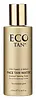
This hydrating toner is formulated around Aloe Barbadensis Leaf Juice and Sodium Hyaluronate to hydrate skin and calm redness.
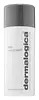
This smoothing exfoliator is formulated around Colloidal Oatmeal and Papain to refine skin texture and refine the look of pores.


What's inside
What's inside
 Key Ingredients
Benefits
Concerns
Ingredients Side-by-side
Aloe Barbadensis Leaf Juice
Skin Conditioning


Dihydroxyacetone
Skin ConditioningGlycerin
Humectant

Caprylyl/Capryl Glucoside
CleansingLeuconostoc/Radish Root Ferment Filtrate
Antimicrobial

Sodium Hyaluronate
Humectant

Pelargonium Graveolens Oil
Masking




Citrus Aurantium Dulcis Peel Oil
Masking
Glyceryl Caprylate
EmollientSodium Cocoyl Glutamate
Cleansing
Dehydroxanthan Gum
Emulsion StabilisingPolyglyceryl-6 Oleate
Emulsifying
Sodium Surfactin
CleansingCitric Acid
Buffering

Limonene
Perfuming
Citronellol
Perfuming
Geraniol
Perfuming
Aloe Barbadensis Leaf Juice, Dihydroxyacetone, Glycerin, Caprylyl/Capryl Glucoside, Leuconostoc/Radish Root Ferment Filtrate, Sodium Hyaluronate, Pelargonium Graveolens Oil, Citrus Aurantium Dulcis Peel Oil, Glyceryl Caprylate, Sodium Cocoyl Glutamate, Dehydroxanthan Gum, Polyglyceryl-6 Oleate, Sodium Surfactin, Citric Acid, Limonene, Citronellol, Geraniol
Microcrystalline Cellulose
AbsorbentMagnesium Oxide
AbsorbentSodium Cocoyl Isethionate
Cleansing
Colloidal Oatmeal
Absorbent
Disodium Lauryl Sulfosuccinate
CleansingSodium Lauroyl Glutamate
SurfactantOryza Sativa Bran Extract
Skin Conditioning
Oryza Sativa Starch
AbsorbentHydrogenated Coconut Acid
Emollient
Allantoin
Skin Conditioning
Papain
Skin Conditioning
Salicylic Acid
Masking





Ginkgo Biloba Leaf Extract
Skin Conditioning
Camellia Sinensis Leaf Extract
Antimicrobial
Glycyrrhiza Glabra Root Extract
Bleaching
PCA
Humectant
Populus Tremuloides Bark Extract
AntiseborrhoeicCyclodextrin
AbsorbentSodium Isethionate
CleansingLauryl Methacrylate
Maltodextrin
Absorbent
Melaleuca Alternifolia Leaf Oil
Antioxidant
Citrus Paradisi Peel Oil
Masking
Sodium Dehydroacetate
Preservative
Hydrolyzed Corn Starch Hydroxyethyl Ether
Emulsion StabilisingWater
Skin ConditioningLimonene
Perfuming
Citric Acid
Buffering
Microcrystalline Cellulose, Magnesium Oxide, Sodium Cocoyl Isethionate, Colloidal Oatmeal, Disodium Lauryl Sulfosuccinate, Sodium Lauroyl Glutamate, Oryza Sativa Bran Extract, Oryza Sativa Starch, Hydrogenated Coconut Acid, Allantoin, Papain, Salicylic Acid, Ginkgo Biloba Leaf Extract, Camellia Sinensis Leaf Extract, Glycyrrhiza Glabra Root Extract, PCA, Populus Tremuloides Bark Extract, Cyclodextrin, Sodium Isethionate, Lauryl Methacrylate, Maltodextrin, Melaleuca Alternifolia Leaf Oil, Citrus Paradisi Peel Oil, Sodium Dehydroacetate, Hydrolyzed Corn Starch Hydroxyethyl Ether, Water, Limonene, Citric Acid
Reviews
Ingredients Explained
These ingredients are found in both products.
Ingredients higher up in an ingredient list are typically present in a larger amount.
Citric Acid is an alpha hydroxy acid (AHA) naturally found in citrus fruits like oranges, lemons, and limes.
Like other AHAs, citric acid can exfoliate skin by breaking down the bonds that hold dead skin cells together. This helps reveal smoother and brighter skin underneath.
However, this exfoliating effect only happens at high concentrations (20%) which can be hard to find in cosmetic products.
Due to this, citric acid is usually included in small amounts as a pH adjuster. This helps keep products slightly more acidic and compatible with skin's natural pH.
In skincare formulas, citric acid can:
While it can provide some skin benefits, research shows lactic acid and glycolic acid are generally more effective and less irritating exfoliants.
Most citric acid used in skincare today is made by fermenting sugars (usually from molasses). This synthetic version is identical to the natural citrus form but easier to stabilize and use in formulations.
Rosacea skin has a lower threshold for acids generally, with 62.5% of rosacea subjects in one study reacting to lactic acid in a sting test. This is why we mark citric acid as a potential rosacea trigger.
However, this ingredient shows up as a pH adjuster or chelator at roughly 0.1-1% in many products. These low levels are unlikely to be an issue for rosacea skin and becomes a potential trigger at exfoliating concentrations (20%). Because everybody's skin is unique, we recommend a patch test if you are unsure.
Learn more about Citric AcidLimonene is the compound that gives citrus peel its smell.
In skincare, it shows up as a standalone fragrance ingredient or as a natural compound of citrus and other essential oils.
You'll typically see this ingredient used in very small amounts; anything above 0.001% in a leave-on product or 0.01% in a rinse-off has to be named on the label in the EU. The citrus oils that carry it sit around 0.5-1% in a finished formula.
Fresh limonene is a weak allergen; the real issue is that it slowly reacts with air and then breaks down from oxidation to create hydroperoxides (which are strong sensitizers). This is why suppliers are required to keep the peroxide value below 20 mmol.
Positive reactions in people being investigated for eczema vary:
It's worth skipping if you have a known fragrance allergy or a compromised barrier, but the risk is low for most people.
Older or long-opened products are also more likely to bother you than fresh ones due to oxidation.
Learn more about Limonene

