
What's inside
What's inside
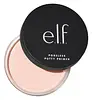 Key Ingredients
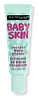
Benefits
Concerns
Ingredients Side-by-side
Water
Skin ConditioningCyclopentasiloxane
Emollient
Ceresin
Emulsion StabilisingDimethicone
Emollient
Glycerin
Humectant

Hydrogenated Polyisobutene
EmollientHdi/Trimethylol Hexyllactone Crosspolymer
Polymethylsilsesquioxane
Trimethylsiloxysilicate
Emollient
Propylene Glycol
Humectant

Lauryl PEG-10 Tris(Trimethylsiloxy)Silylethyl Dimethicone
Emulsifying
Sodium Chloride
MaskingCamellia Sinensis Leaf Extract
Antimicrobial






Squalane
Emollient
Oryza Sativa Bran Wax
Skin Conditioning
Dimethicone/PEG-10/15 Crosspolymer
Dimethicone Crosspolymer
Emulsion Stabilising
Silica
Abrasive
Triethoxycaprylylsilane
Talc
Abrasive
Butylene Glycol
Humectant
Disodium EDTA
Caprylyl Glycol
Emollient
Ethylhexylglycerin
Skin ConditioningPhenoxyethanol
Preservative
CI 77891
Cosmetic ColorantIron Oxides
Water, Cyclopentasiloxane, Ceresin, Dimethicone, Glycerin, Hydrogenated Polyisobutene, Hdi/Trimethylol Hexyllactone Crosspolymer, Polymethylsilsesquioxane, Trimethylsiloxysilicate, Propylene Glycol, Lauryl PEG-10 Tris(Trimethylsiloxy)Silylethyl Dimethicone, Sodium Chloride, Camellia Sinensis Leaf Extract, Squalane, Oryza Sativa Bran Wax, Dimethicone/PEG-10/15 Crosspolymer, Dimethicone Crosspolymer, Silica, Triethoxycaprylylsilane, Talc, Butylene Glycol, Disodium EDTA, Caprylyl Glycol, Ethylhexylglycerin, Phenoxyethanol, CI 77891, Iron Oxides


Reviews
Ingredients Explained
These ingredients are found in both products.
Ingredients higher up in an ingredient list are typically present in a larger amount.
Caprylyl Glycol is a humectant, skin conditioner, emollient, and preservative booster derived from either caprylic acid or synthetically created.
Typical use levels vary from 0.3-1% as a preservative booster and go up to 2% to condition skin.
Because it is not a free-fatty acid, this ingredient is fungal acne safe (there's nothing for Malassezia to feed on).
Learn more about Caprylyl GlycolDimethicone is a type of synthetic silicone created from natural materials such as quartz. It is also known as polydimethylsiloxane.
What it does:
Dimethicone comes in different viscosities:
Depending on the viscosity, dimethicone has different properties.
Ingredients lists don't always show which type is used, so we recommend reaching out to the brand if you have questions about the viscosity.
This ingredient is unlikely to cause irritation because it does not get absorbed into skin. However, people with silicone allergies should be careful about using this ingredient.
Note: Dimethicone may contribute to pilling. This is because it is not oil or water soluble, so pilling may occur when layered with products. When mixed with heavy oils in a formula, the outcome is also quite greasy.
Learn more about DimethiconeDimethicone Crosspolymer is a silicone created by modifying dimethicone with hydrocarbon side chains. Due to its large size, it does not penetrate skin. It is considered non-occlusive.
Dimethicone Crosspolymer is used to stabilize and thicken products. It also helps give products a silky feel.
Propylene Glycol is a synthetic, colorless, odorless liquid that has been a staple in cosmetics for decades. It is a skin conditioning agent, humectant, and solvent.
As a humectant, it draw water to the skin to reduce flaking and restore suppleness. It's also a solvent that helps dissolve other actives and keeps formulas stable across temperature changes.
The CIR Expert Panel has confirmed this ingredient to be nontoxic and clinical studies show no sensitization at cosmetic use concentrations.
True allergic reactions are quite rare: a 15-year retrospective study of 6,751 patients found only 0.31% had a positive reaction (and less than half were considered clinically relevant).
It seemed that when sensitization does occur, it's most commonly linked to topical medication (like corticosteroids) and not cosmetics. Allergic contact dermatitis also appears largely limited to individuals with underlying skin conditions.
Overall, propylene glycol is a well-studied ingredient that most people can tolerate without issue.
Learn more about Propylene Glycol
