This mild cream cleanser is made to cleanse without leaving your skin tight or dry.

What's inside
What's inside
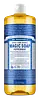 Key Ingredients
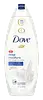
Benefits
Concerns
Ingredients Side-by-side



Water
Skin ConditioningCocamidopropyl Betaine
Cleansing



Sodium Hydroxypropyl Starch Phosphate
Abrasive
Lauric Acid
Cleansing


Sodium Lauroyl Glycinate
CleansingSodium Lauroyl Isethionate
CleansingHydrogenated Soybean Oil
Emollient
Glycine Soja Oil
Emollient


Sodium Chloride
MaskingGlycerin
Humectant

Parfum
Masking

Stearic Acid
Cleansing
Palmitic Acid
Emollient
Phenoxyethanol
Preservative
Guar Hydroxypropyltrimonium Chloride
Skin ConditioningCitric Acid
Buffering

BHT
Antioxidant
Tetrasodium EDTA
Iodopropynyl Butylcarbamate
Preservative
Linalool
Perfuming
Limonene
Perfuming
Hexyl Cinnamal
Perfuming
Coumarin
Perfuming
Citronellol
Perfuming
Benzyl Alcohol
Perfuming
Alpha-Isomethyl Ionone
Perfuming
Water, Cocamidopropyl Betaine, Sodium Hydroxypropyl Starch Phosphate, Lauric Acid, Sodium Lauroyl Glycinate, Sodium Lauroyl Isethionate, Hydrogenated Soybean Oil, Glycine Soja Oil, Sodium Chloride, Glycerin, Parfum, Stearic Acid, Palmitic Acid, Phenoxyethanol, Guar Hydroxypropyltrimonium Chloride, Citric Acid, BHT, Tetrasodium EDTA, Iodopropynyl Butylcarbamate, Linalool, Limonene, Hexyl Cinnamal, Coumarin, Citronellol, Benzyl Alcohol, Alpha-Isomethyl Ionone
Reviews
Ingredients Explained
These ingredients are found in both products.
Ingredients higher up in an ingredient list are typically present in a larger amount.
Citric Acid is an alpha hydroxy acid (AHA) naturally found in citrus fruits like oranges, lemons, and limes.
Like other AHAs, citric acid can exfoliate skin by breaking down the bonds that hold dead skin cells together. This helps reveal smoother and brighter skin underneath.
However, this exfoliating effect only happens at high concentrations (20%) which can be hard to find in cosmetic products.
Due to this, citric acid is usually included in small amounts as a pH adjuster. This helps keep products slightly more acidic and compatible with skin's natural pH.
In skincare formulas, citric acid can:
While it can provide some skin benefits, research shows lactic acid and glycolic acid are generally more effective and less irritating exfoliants.
Most citric acid used in skincare today is made by fermenting sugars (usually from molasses). This synthetic version is identical to the natural citrus form but easier to stabilize and use in formulations.
Read more about some other popular AHA's here:
Learn more about Citric AcidLimonene is a fragrance that adds scent and taste to a formulation.
It's found in the peel oil of citrus fruits and other plants such as lavender and eucalyptus. The scent of limonene is generally described as "sweet citrus".
Limonene acts as an antioxidant, meaning it helps neutralize free radicals.
When exposed to air, oxidized limonene may sensitize the skin. Because of this, limonene is often avoided by people with sensitive skin.
The term 'fragrance' is not regulated in many countries. In many cases, it is up to the brand to define this term. For instance, many brands choose to label themselves as "fragrance-free" because they are not using synthetic fragrances. However, their products may still contain ingredients such as essential oils that are considered a fragrance.
Learn more about LimoneneWater. It's the most common cosmetic ingredient of all. You'll usually see it at the top of ingredient lists, meaning that it makes up the largest part of the product.
So why is it so popular? Water most often acts as a solvent - this means that it helps dissolve other ingredients into the formulation.
You'll also recognize water as that liquid we all need to stay alive. If you see this, drink a glass of water. Remember to stay hydrated!
Learn more about Water

