
What's inside
What's inside
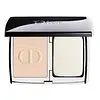 Key Ingredients
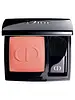
Benefits
Concerns
Ingredients Side-by-side
Synthetic Fluorphlogopite
Mica
Cosmetic Colorant
Calcium Sodium Borosilicate
Silica
Abrasive

Butylene Glycol Dicaprylate/Dicaprate
EmollientBoron Nitride
AbsorbentZinc Stearate
Cosmetic ColorantCaprylic/Capric/Succinic Triglyceride
EmollientPolyglyceryl-2 Triisostearate
Emulsifying
Pentylene Glycol
Skin ConditioningWater
Skin ConditioningCaprylyl Glycol
Emollient
Iris Florentina Root Extract
MaskingEthylhexylglycerin
Skin ConditioningButylene Glycol
Humectant
Sodium Dehydroacetate
Preservative
Parfum
Masking
Aluminum Hydroxide
EmollientIsopropyl Titanium Triisostearate
Emollient
Rosa Centifolia Flower Wax
Skin ConditioningRosa Damascena Flower Wax
MaskingSodium Lauroyl Aspartate
CleansingHydrolyzed Viola Tricolor Extract
Skin ProtectingRosa Multiflora Fruit Extract
MaskingTocopherol
Antioxidant




Zinc Chloride
AntimicrobialTropaeolum Majus Flower/Leaf/Stem Extract
Skin Conditioning1,2-Hexanediol
Skin Conditioning
Sodium Benzoate
Masking
Potassium Sorbate
Preservative
CI 77891
Cosmetic ColorantCI 77491
Cosmetic ColorantCI 77492
Cosmetic ColorantCI 77499
Cosmetic ColorantSynthetic Fluorphlogopite, Mica, Calcium Sodium Borosilicate, Silica, Butylene Glycol Dicaprylate/Dicaprate, Boron Nitride, Zinc Stearate, Caprylic/Capric/Succinic Triglyceride, Polyglyceryl-2 Triisostearate, Pentylene Glycol, Water, Caprylyl Glycol, Iris Florentina Root Extract, Ethylhexylglycerin, Butylene Glycol, Sodium Dehydroacetate, Parfum, Aluminum Hydroxide, Isopropyl Titanium Triisostearate, Rosa Centifolia Flower Wax, Rosa Damascena Flower Wax, Sodium Lauroyl Aspartate, Hydrolyzed Viola Tricolor Extract, Rosa Multiflora Fruit Extract, Tocopherol, Zinc Chloride, Tropaeolum Majus Flower/Leaf/Stem Extract, 1,2-Hexanediol, Sodium Benzoate, Potassium Sorbate, CI 77891, CI 77491, CI 77492, CI 77499
Talc
Abrasive
Polyethylene
Abrasive
Mica
Cosmetic Colorant
Zinc Stearate
Cosmetic ColorantSynthetic Fluorphlogopite
Paraffinum Liquidum
Emollient

Ethylhexyl Palmitate
Emollient
Polymethylsilsesquioxane

Calcium Sodium Borosilicate
Pentylene Glycol
Skin ConditioningSodium Dehydroacetate
Preservative
Isopropyl Titanium Triisostearate
Emollient
Caprylyl Glycol
Emollient
Tin Oxide
Abrasive
Sodium Lauroyl Aspartate
CleansingParfum
Masking
Zinc Chloride
AntimicrobialBHT
Antioxidant
Linalool
Perfuming

Limonene
Perfuming
Citronellol
Perfuming
Tocopherol
Antioxidant
CI 15850
Cosmetic ColorantCI 15985
Cosmetic ColorantCI 19140
Cosmetic ColorantCI 42090
Cosmetic ColorantCI 45410
Cosmetic ColorantCI 73360
Cosmetic Colorant
CI 75470
Cosmetic ColorantCI 77007
Cosmetic ColorantCI 77163
Cosmetic ColorantCI 77288
Cosmetic ColorantCI 77289
Cosmetic ColorantCI 77491
Cosmetic ColorantCI 77492
Cosmetic ColorantCI 77499
Cosmetic ColorantCI 77510
Cosmetic ColorantCI 77742
Cosmetic ColorantCI 77891
Cosmetic ColorantTalc, Polyethylene, Mica, Zinc Stearate, Synthetic Fluorphlogopite, Paraffinum Liquidum, Ethylhexyl Palmitate, Polymethylsilsesquioxane, Calcium Sodium Borosilicate, Pentylene Glycol, Sodium Dehydroacetate, Isopropyl Titanium Triisostearate, Caprylyl Glycol, Tin Oxide, Sodium Lauroyl Aspartate, Parfum, Zinc Chloride, BHT, Linalool, Limonene, Citronellol, Tocopherol, CI 15850, CI 15985, CI 19140, CI 42090, CI 45410, CI 73360, CI 75470, CI 77007, CI 77163, CI 77288, CI 77289, CI 77491, CI 77492, CI 77499, CI 77510, CI 77742, CI 77891
Reviews
Ingredients Explained
These ingredients are found in both products.
Ingredients higher up in an ingredient list are typically present in a larger amount.
Calcium Sodium Borosilicate is a bulking agent. It is considered a borosilicate glass; it is composed of powder or flakes of calcium and sodium borosilicates.
This ingredient is used to add volume, shine, and color to products. You'll most likely find this ingredient in makeup products.
According to in-vivo and ex-vivo studies done by a manufacturer, this ingredient works well with UV filters:
Learn more about Calcium Sodium BorosilicateCaprylyl Glycol is a humectant and emollient, meaning it attracts and preserves moisture.
It is a common ingredient in many products, especially those designed to hydrate skin. The primary benefits are retaining moisture, skin softening, and promoting a healthy skin barrier.
Though Caprylyl Glycol is an alcohol derived from fatty acids, it is not the kind that can dry out skin.
This ingredient is also used as a preservative to extend the life of products. It has slight antimicrobial properties.
Learn more about Caprylyl GlycolCi 77491 is also hydrated iron III oxide. It's sole purpose is to give a red/pink hue to products.
Iron III oxides are classified as inorganic chemicals for coloring.
Synthetically created Ci 77491 is considered safer than those naturally found. This is because the synthetically created version may contain less impurities. Iron oxides are generally non-toxic and non-allergenic.
Learn more about CI 77491Ci 77492 is also hydrated iron III oxide. It's sole purpose is to give a yellow hue to products.
Iron III oxides are classified as inorganic chemicals for coloring.
Synthetically created Ci 77492 is considered safer than those naturally found. This is because the synthetically created version may contain less impurities. Iron oxides are generally non-toxic and non-allergenic.
Learn more about CI 77492Ci 77499 is also hydrated iron III oxide. It is created from mixing red and black iron oxides. This helps give shades of darkness to a product.
Iron III oxides are classified as inorganic chemicals for coloring.
Ci 77891 is a white pigment from Titanium dioxide. It is naturally found in minerals such as rutile and ilmenite.
It's main function is to add a white color to cosmetics. It can also be mixed with other colors to create different shades.
Ci 77891 is commonly found in sunscreens due to its ability to block UV rays.
Learn more about CI 77891Isopropyl Titanium Triisostearate isn't fungal acne safe.
Mica is a naturally occurring mineral used to add shimmer and color in cosmetics. It can also help improve the texture of a product or give it an opaque, white/silver color.
Serecite is the name for very fine but ragged grains of mica.
This ingredient is often coated with metal oxides like titanium dioxide. Trace amounts of heavy metals may be found in mica, but these metals are not harmful in our personal products.
Mica has been used since prehistoric times throughout the world. Ancient Egyptian, Indian, Greek, Roman, Aztec, and Chinese civilizations have used mica.
Learn more about MicaParfum is a catch-all term for an ingredient or more that is used to give a scent to products.
Also called "fragrance", this ingredient can be a blend of hundreds of chemicals or plant oils. This means every product with "fragrance" or "parfum" in the ingredients list is a different mixture.
For instance, Habanolide is a proprietary trade name for a specific aroma chemical. When used as a fragrance ingredient in cosmetics, most aroma chemicals fall under the broad labeling category of “FRAGRANCE” or “PARFUM” according to EU and US regulations.
The term 'parfum' or 'fragrance' is not regulated in many countries. In many cases, it is up to the brand to define this term.
For instance, many brands choose to label themselves as "fragrance-free" because they are not using synthetic fragrances. However, their products may still contain ingredients such as essential oils that are considered a fragrance by INCI standards.
One example is Calendula flower extract. Calendula is an essential oil that still imparts a scent or 'fragrance'.
Depending on the blend, the ingredients in the mixture can cause allergies and sensitivities on the skin. Some ingredients that are known EU allergens include linalool and citronellol.
Parfum can also be used to mask or cover an unpleasant scent.
The bottom line is: not all fragrances/parfum/ingredients are created equally. If you are worried about fragrances, we recommend taking a closer look at an ingredient. And of course, we always recommend speaking with a professional.
Learn more about ParfumPentylene glycol is typically used within a product to thicken it. It also adds a smooth, soft, and moisturizing feel to the product. It is naturally found in plants such as sugar beets.
The hydrophilic trait of Pentylene Glycol makes it a humectant. As a humectant, Pentylene Glycol helps draw moisture from the air to your skin. This can help keep your skin hydrated.
This property also makes Pentylene Glycol a great texture enhancer. It can also help thicken or stabilize a product.
Pentylene Glycol also acts as a mild preservative and helps to keep a product microbe-free.
Some people may experience mild eye and skin irritation from Pentylene Glycol. We always recommend speaking with a professional about using this ingredient in your routine.
Pentylene Glycol has a low molecular weight and is part of the 1,2-glycol family.
Learn more about Pentylene GlycolThis ingredient is a preservative with antimicrobial properties. It is the sodium salt of dehydroacetic acid.
It is especially effective at preventing bacterial and fungal growth in low concentrations.
We don't have a description for Sodium Lauroyl Aspartate yet.
Synthetic Fluorphlogopite is the synthethic version of mica. It consists of fluorine, aluminum and silicate.
Synthetic Fluorphlogopite is used to add volume to products.
It is considered non-irritating on the skin.
Learn more about Synthetic FluorphlogopiteTocopherol (also known as Vitamin E) is a common antioxidant used to help protect the skin from free-radicals and strengthen the skin barrier. It's also fat soluble - this means our skin is great at absorbing it.
Vitamin E also helps keep your natural skin lipids healthy. Your lipid skin barrier naturally consists of lipids, ceramides, and fatty acids. Vitamin E offers extra protection for your skin’s lipid barrier, keeping your skin healthy and nourished.
Another benefit is a bit of UV protection. Vitamin E helps reduce the damage caused by UVB rays. (It should not replace your sunscreen). Combining it with Vitamin C can decrease sunburned cells and hyperpigmentation after UV exposure.
You might have noticed Vitamin E + C often paired together. This is because it is great at stabilizing Vitamin C. Using the two together helps increase the effectiveness of both ingredients.
There are often claims that Vitamin E can reduce/prevent scarring, but these claims haven't been confirmed by scientific research.
Learn more about TocopherolZinc chloride is a white crystalline compound. You'll most likely see it in personal care products such as mouthwashes, skincare, hair conditioners, and bath products.
Zinc Stearate is the metal salt of stearic acid. It is a white solid used to bind, thicken, and lubricate products.
This ingredient is common in powder makeup, where it helps keep the powder together.
Zinc Stearate is hydrophobic and repels water.
This ingredient can be sourced from non-animal or animal sources. It is best to reach out to the brand to see where they source this ingredient from.
Learn more about Zinc Stearate
