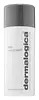
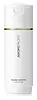
Dermalogica Daily Microfoliant Exfoliator Versus AMOREPACIFIC Treatment Enzyme Exfoliating Powder Cleanser
This smoothing exfoliator is formulated around Colloidal Oatmeal and Papain to refine skin texture and refine the look of pores.


What's inside
What's inside
 Key Ingredients
Benefits
Concerns
Ingredients Side-by-side
Microcrystalline Cellulose
AbsorbentMagnesium Oxide
AbsorbentSodium Cocoyl Isethionate
Cleansing
Colloidal Oatmeal
Absorbent


Disodium Lauryl Sulfosuccinate
CleansingSodium Lauroyl Glutamate
SurfactantOryza Sativa Bran Extract
Skin Conditioning
Oryza Sativa Starch
AbsorbentHydrogenated Coconut Acid
Emollient

Allantoin
Skin Conditioning

Papain
Skin Conditioning
Salicylic Acid
Masking








Ginkgo Biloba Leaf Extract
Skin Conditioning
Camellia Sinensis Leaf Extract
Antimicrobial

Glycyrrhiza Glabra Root Extract
Bleaching
PCA
Humectant
Populus Tremuloides Bark Extract
AntiseborrhoeicCyclodextrin
AbsorbentSodium Isethionate
CleansingLauryl Methacrylate
Maltodextrin
Absorbent
Melaleuca Alternifolia Leaf Oil
Antioxidant


Citrus Paradisi Peel Oil
Masking
Sodium Dehydroacetate
Preservative
Hydrolyzed Corn Starch Hydroxyethyl Ether
Emulsion StabilisingWater
Skin ConditioningLimonene
Perfuming
Citric Acid
Buffering
Microcrystalline Cellulose, Magnesium Oxide, Sodium Cocoyl Isethionate, Colloidal Oatmeal, Disodium Lauryl Sulfosuccinate, Sodium Lauroyl Glutamate, Oryza Sativa Bran Extract, Oryza Sativa Starch, Hydrogenated Coconut Acid, Allantoin, Papain, Salicylic Acid, Ginkgo Biloba Leaf Extract, Camellia Sinensis Leaf Extract, Glycyrrhiza Glabra Root Extract, PCA, Populus Tremuloides Bark Extract, Cyclodextrin, Sodium Isethionate, Lauryl Methacrylate, Maltodextrin, Melaleuca Alternifolia Leaf Oil, Citrus Paradisi Peel Oil, Sodium Dehydroacetate, Hydrolyzed Corn Starch Hydroxyethyl Ether, Water, Limonene, Citric Acid
Mannitol
Humectant
Sodium Cocoyl Glycinate
Cleansing
Sodium Lauroyl Glutamate
SurfactantZeolite
AbsorbentSilica
Abrasive
Betaine
Humectant
Allantoin
Skin Conditioning
Potassium Laurate
EmulsifyingPolycaprolactone
StabilisingParfum
Masking
Zea Mays Starch
Absorbent
PEG-75
HumectantDipotassium Glycyrrhizate
Humectant
Disodium EDTA
Trehalose
Humectant
Water
Skin ConditioningButylene Glycol
Humectant
Papain
Skin Conditioning
Lactobacillus Ferment Lysate
Skin Conditioning
CI 19140
Cosmetic ColorantZingiber Officinale Root Extract
Masking
Ziziphus Jujuba Fruit Extract
Skin ConditioningCamellia Sinensis Leaf Extract
Antimicrobial
Mannitol, Sodium Cocoyl Glycinate, Sodium Lauroyl Glutamate, Zeolite, Silica, Betaine, Allantoin, Potassium Laurate, Polycaprolactone, Parfum, Zea Mays Starch, PEG-75, Dipotassium Glycyrrhizate, Disodium EDTA, Trehalose, Water, Butylene Glycol, Papain, Lactobacillus Ferment Lysate, CI 19140, Zingiber Officinale Root Extract, Ziziphus Jujuba Fruit Extract, Camellia Sinensis Leaf Extract
Reviews
Ingredients Explained
These ingredients are found in both products.
Ingredients higher up in an ingredient list are typically present in a larger amount.
Allantoin is a soothing ingredient known for its protective and moisturizing properties; it's basically a quiet workhorse ingredient you can find in a huge range of cosmetics.
Though it can be derived from the comfrey plant, allantoin is produced synthetically for cosmetic products to ensure purity.
Research shows it can encourage your skin cells to turn over and renew by stimulating keratinocyte and fibroblast proliferation.
It also has mild keratolytic properties to help loosen and shed dead skin cells without being harsh.
Studies also suggest allantoin can help calm inflammation by dialing down some of the chemical signals your skin sends out when it is irritated.
This ingredient is typically used in the 0.1-0.5% range, and the FDA recognizes it as a skin protectant in OTC products up to 2%.
Overall, allantoin is a wonderful addition to most routines; it is stable across a wide pH range (~4-8), works well with other ingredients, and is considered non-sensitizing/non-irritating.
Fun fact: Allantoin is naturally occurring in comfrey root, beets, chamomile, and wheat sprouts. Our bodies even produce it as a byproduct of uric acid metabolism.
Learn more about AllantoinCamellia Sinensis Leaf Extract (tea extract) is one of the most well-researched plant extracts in skincare with an impressive resume.
Black tea, green tea, and oolong tea are all harvested from the Camellia Sinensis plant.
Studies show green tea extract and its catechins (like epigallocatechin gallate (EGCG)) help your skin cells product energy more efficiently and reducing the number of free-radicals that can damage your skin from the inside.
In lab-grown skin models, this translated to younger, healthier, and stronger skin.
There's also good sun protection data; researchers saw less DNA damage and redness on human skin when green tea was applied before UVB exposure. And the more they applied, the better the protection.
Needless to say, this ingredient shouldn't replace your sunscreen. But it is a great supportive ingredient that you can already find in many sunscreens and antioxidant serums.
A 2009 study found a 2% green tea lotion was effective for mild-to-moderate acne thanks to its anti-inflammatory and mild antimicrobial activity.
The quality of the extract matters a lot here:
Good extracts contain 50-90% catechins while lower quality ones are mostly there for marketing. We recommend reaching out to the brand if you have questions about the quality or source of their ingredients.
Human Repeated Insult Patch Testing showed no irritation or sensitization at use concentrations (0.86% in leave-on products and up to 30% as leaf water).
Learn more about Camellia Sinensis Leaf ExtractPapain is a proteolytic enzyme extracted from unripe papaya fruit. It is a gentle exfoliator that helps remove the dead skin cells from your outermost layer of skin.
Basically, papain works by dissolving the "glue" holding dead skin cells to your skin's surface. This also promotes cell turnover and smooths texture.
Unlike other exfoliants, papain can work without causing significant irritation.
Beyond exfoliation, its proteolytic action also helps soothe irritated skin and supports the healing of minor wounds.
A 2024 in vivo/in vitro study confirmed its potential to suppress skin inflammation and improve transepidermal water loss (TEWL) in atopic dermatitis models.
Just one thing worth noting: there are reports of allergic responses in individuals with a papaya or latex sensitivity. Be sure to patch test if you're in this camp.
Learn more about PapainSodium Lauroyl Glutamate is an amino-acid based mild surfactant that is used in formulas as a primary or secondary cleansing agent. This means it helps lift away oil, dirt, and makeup.
You'll see this ingredient in facial cleansers, shampoos, and even toothpaste because it foams reasonably well while being much gentler than harsher surfactants like SLS.
A study comparing surfactant mixtures found that Sodium Lauroyl Glutamate caused visibly less disruption to skin lipid structure and less irritation than SLS when tested on human subjects; this correlated with the data from in vivo results as well.
The Tenside, Surfactants, Detergents cosmetics industry journal has also concluded that amino acid based surfactants are generally milder than their corresponding alkyl sulfate counterparts. They also stated glutamates in particular are considered one of the gentler options in the category.
The Cosmetic Ingredient Review (CIR) Expert Panel has reviewed dermal irritation and sensitization data for this ingredient at the highest reported use concentration and concluded it to be safe in present practices.
Typical use concentrations tend to run low (generally less than 10%) though the CIR's review noted the highest reported use concentration was 40% as a raw material blend (and not a diluted finished cosmetic product).
Learn more about Sodium Lauroyl GlutamateWater. It's the most common cosmetic ingredient of all. You'll usually see it at the top of ingredient lists, meaning that it makes up the largest part of the product.
So why is it so popular? Water most often acts as a solvent - this means that it helps dissolve other ingredients into the formulation.
You'll also recognize water as that liquid we all need to stay alive. If you see this, drink a glass of water. Remember to stay hydrated!
Learn more about Water

