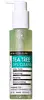
This salicylic acid gel cleanser is formulated around Salicylic Acid to clear breakouts and unclog pores.

What's inside
What's inside
 Key Ingredients
Benefits
Concerns
Ingredients Side-by-side
Camellia Sinensis Leaf Extract 59.2%
Antimicrobial







Water 17.5%
Skin ConditioningDisodium Cocoamphodiacetate 5.1%
CleansingGlycerin 3%
Humectant

Sodium C14-16 Olefin Sulfonate 2.8%
Cleansing

1,2-Hexanediol 2.2%
Skin Conditioning
Coco-Glucoside 2.2%
Cleansing
Lauryl Glucoside 2%
CleansingSodium Chloride 1.8%
MaskingPanthenol 1%
Skin Conditioning
Sodium Methyl Cocoyl Taurate
Cleansing
Acrylates/C10-30 Alkyl Acrylate Crosspolymer
Emulsion StabilisingSalicylic Acid
Masking





Hexylene Glycol
EmulsifyingMelaleuca Alternifolia Leaf Oil
Antioxidant


Ethylhexylglycerin
Skin ConditioningHexadecene
SolventTetradecene
EmollientXanthan Gum
EmulsifyingSodium Sulfate
Saccharide Isomerate
Humectant
Sodium Citrate
BufferingCitric Acid
Buffering
Camellia Sinensis Leaf Extract 59.2%, Water 17.5%, Disodium Cocoamphodiacetate 5.1%, Glycerin 3%, Sodium C14-16 Olefin Sulfonate 2.8%, 1,2-Hexanediol 2.2%, Coco-Glucoside 2.2%, Lauryl Glucoside 2%, Sodium Chloride 1.8%, Panthenol 1%, Sodium Methyl Cocoyl Taurate, Acrylates/C10-30 Alkyl Acrylate Crosspolymer, Salicylic Acid, Hexylene Glycol, Melaleuca Alternifolia Leaf Oil, Ethylhexylglycerin, Hexadecene, Tetradecene, Xanthan Gum, Sodium Sulfate, Saccharide Isomerate, Sodium Citrate, Citric Acid
Artemisia Princeps Extract
Skin Conditioning
Water
Skin ConditioningSodium C14-16 Olefin Sulfonate
Cleansing
Lauryl Hydroxysultaine
CleansingGlycerin
Humectant
1,2-Hexanediol
Skin Conditioning
Acrylates/C10-30 Alkyl Acrylate Crosspolymer
Emulsion StabilisingCaprylyl Glycol
Emollient
Sodium Methyl Cocoyl Taurate
Cleansing
Sodium Chloride
MaskingTromethamine
BufferingHexadecene
SolventTetradecene
EmollientSodium Sulfate
Artemisia Vulgaris Oil
Perfuming
Melia Azadirachta Leaf Extract
Skin ConditioningMelia Azadirachta Flower Extract
Skin ConditioningOcimum Sanctum Leaf Extract
Skin ConditioningDisodium EDTA
ChelatingCurcuma Longa Root Extract
Antioxidant
Dextrin
AbsorbentTheobroma Cacao Extract
Skin ConditioningCorallina Officinalis Extract
Skin Conditioning
Artemisia Princeps Extract, Water, Sodium C14-16 Olefin Sulfonate, Lauryl Hydroxysultaine, Glycerin, 1,2-Hexanediol, Acrylates/C10-30 Alkyl Acrylate Crosspolymer, Caprylyl Glycol, Sodium Methyl Cocoyl Taurate, Sodium Chloride, Tromethamine, Hexadecene, Tetradecene, Sodium Sulfate, Artemisia Vulgaris Oil, Melia Azadirachta Leaf Extract, Melia Azadirachta Flower Extract, Ocimum Sanctum Leaf Extract, Disodium EDTA, Curcuma Longa Root Extract, Dextrin, Theobroma Cacao Extract, Corallina Officinalis Extract
Reviews
Ingredients Explained
These ingredients are found in both products.
Ingredients higher up in an ingredient list are typically present in a larger amount.
1,2-Hexanediol is a synthetic liquid and another multi-functional powerhouse.
It is a:
- Humectant, drawing moisture into the skin
- Emollient, helping to soften skin
- Solvent, dispersing and stabilizing formulas
- Preservative booster, enhancing the antimicrobial activity of other preservatives
Acrylates/C10-30 Alkyl Acrylate Crosspolymer is a synthetic polymer. It is used to thicken, emulsify, and improve the texture of products.
As an emulsifier, it helps stabilize oil-in-water emulsions to give products an elegant feel when applied.
It can also form a thin protective film on skin. One study found that a formula using this polymer helped slow down how quickly other ingredients (like DEET) were absorbed through skin.
A 2024 study of over 1,300 patients confirmed that sensitization to this ingredient is rare. It is also non-mutagenic and has a clean track record.
Learn more about Acrylates/C10-30 Alkyl Acrylate CrosspolymerGlycerin (or glycerol) is a compound naturally found in your skin. It's a powerhouse humectant that pulls water into the stratum corneum.
Topically, glycerin does several things at once:
Your skin makes glycerin on its own (mostly from sebaceous oil breakdown) and shuttles it to your outermost layer of skin, or your epidermis, via aquaporin-3.
Aquaporin-3 is a transporter that is essential for normal skin hydration, elasticity, and repair. Interestingly, mice lacking in AQP3 have dry and less elastic skin that can be fully corrected with glycerin.
This ingredient is non-irritating, plays well with almost every ingredient, and works across all skin types. Typical use is anywhere between 3-10% but can go up to 79% in some leave-on products.
Just know very high concentrations (>40%) can feel tacky in low humidity.
Glycerin is the name for this ingredient in American English. British English uses Glycerol/Glycerine.
Learn more about GlycerinWe don't have a description for Hexadecene yet.
Sodium C14-16 Olefin Sulfonate is a surfactant that helps water and oil mix so that dirt, sweat, sebum, and sunscreen can rinse away easily. It's not technically a sulfate, but behaves similarly in formulas.
What it does:
Sodium C14-16 Olefin Sulfonate is a strong cleansing surfactant and is much stronger than many mild cleansers. Because it works deeply, it can disrupt the skin's barrier. This can lead to dryness or irritation for those with sensitive skin.
Compared to gentler surfactants, it's effective but more likely to dry or irritate if not balanced with soothing ingredients.
CIR considers sodium α-olefin sulfonates (including C14-16) to be safe for use in rinse-off products when properly formulated. It is poorly absorbed through normal skin but absorption increases if the skin barrier is already damaged.
Learn more about Sodium C14-16 Olefin SulfonateChances are, you eat sodium chloride every day. Sodium Chloride is also known as table salt. This ingredient has many purposes in skincare: thickener, emulsifier, and exfoliator.
You'll most likely find this ingredient in cleansers where it is used to create a gel-like texture. As an emulsifier, it also prevents ingredients from separating.
You might see people debate whether Sodium Chloride is comedogenic, but there actually haven't been any comedogenic tests done on it. Either way, the overall formulation of a product matters a lot more than any single ingredient.
You might see this ingredient used in scrubs as a primary exfoliating ingredient.
Learn more about Sodium ChlorideSodium Methyl Cocoyl Taurate is a gentle, coconut-derived cleansing surfactant. It's most commonly found in "sulfate-free" cleansers.
As a taurate, it belongs to a class of anionic surfactants prized for being efficient at cleansing without harshness, good performance in hard water, stability across a wide pH range, and easily biodegradable.
It is able to lift away oil and grime and make a nice lather without stripping your skin, so it's a good pick for sensitive skin.
Safety-wise, it has a good record. The CIR Expert Panel has concluded this ingredient to be safe in cosmetics and concentrations go up to 11% in leave-on products or 13% in rinse-off products.
Despite being derived from coconut oil, this ingredient is fungal acne safe. It's a water-soluble surfactant with no fatty oils or esters left intact on skin for the Malassezia yeast to feed.
Learn more about Sodium Methyl Cocoyl TaurateWe don't have a description for Sodium Sulfate yet.
We don't have a description for Tetradecene yet.
Water. It's the most common cosmetic ingredient of all. You'll usually see it at the top of ingredient lists, meaning that it makes up the largest part of the product.
So why is it so popular? Water most often acts as a solvent - this means that it helps dissolve other ingredients into the formulation.
You'll also recognize water as that liquid we all need to stay alive. If you see this, drink a glass of water. Remember to stay hydrated!
Learn more about Water

