
What's inside
What's inside
 Benefits
Concerns
Ingredients Side-by-side
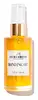
Hydrogenated Ethylhexyl Olivate
EmollientHydrogenated Olive Oil Unsaponifiables
Emollient


Coco-Caprylate/Caprate
Emollient
Shea Butter Ethyl Esters
Emollient
Hydrogenated Castor Oil/Sebacic Acid Copolymer
Emollient
Prunus Armeniaca Kernel Oil
Masking


Hippophae Rhamnoides Fruit Oil
Skin Protecting
Lens Esculenta Seed Extract
Skin ProtectingHydrolyzed Cicer Seed Extract
Skin ProtectingChenopodium Quinoa Seed Extract
Skin Conditioning
Parfum
Masking


Linalool
Perfuming
Limonene
Perfuming
Geraniol
Perfuming
Benzyl Alcohol
Perfuming

Citronellol
Perfuming
Hydrogenated Ethylhexyl Olivate, Hydrogenated Olive Oil Unsaponifiables, Coco-Caprylate/Caprate, Shea Butter Ethyl Esters, Hydrogenated Castor Oil/Sebacic Acid Copolymer, Prunus Armeniaca Kernel Oil, Hippophae Rhamnoides Fruit Oil, Lens Esculenta Seed Extract, Hydrolyzed Cicer Seed Extract, Chenopodium Quinoa Seed Extract, Parfum, Linalool, Limonene, Geraniol, Benzyl Alcohol, Citronellol
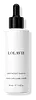
Coconut Alkanes
Emollient
Helianthus Annuus Seed Oil
Emollient
Myristyl Lactate
Emollient
Coco-Caprylate/Caprate
Emollient
Chlorella Vulgaris Extract
Skin ConditioningOlea Europaea Leaf Extract
Perfuming
Salvia Hispanica Seed Extract
Emollient
Prunus Armeniaca Kernel Oil
Masking
Bambusa Vulgaris Extract
Skin Conditioning
Sambucus Nigra Fruit Extract
AstringentCocos Nucifera Fruit Extract
Emollient
Squalane
Emollient
Parfum
Masking
Linalool
Perfuming
Chenopodium Quinoa Seed Extract
Skin Conditioning
Hydrolyzed Cicer Seed Extract
Skin ProtectingLens Esculenta Seed Extract
Skin ProtectingLimonene
Perfuming
Euterpe Oleracea Sterols
Skin ConditioningCitral
Perfuming
Linoleic Acid
Cleansing

Oleic Acid
Emollient
Linolenic Acid
Cleansing
Coconut Alkanes, Helianthus Annuus Seed Oil, Myristyl Lactate, Coco-Caprylate/Caprate, Chlorella Vulgaris Extract, Olea Europaea Leaf Extract, Salvia Hispanica Seed Extract, Prunus Armeniaca Kernel Oil, Bambusa Vulgaris Extract, Sambucus Nigra Fruit Extract, Cocos Nucifera Fruit Extract, Squalane, Parfum, Linalool, Chenopodium Quinoa Seed Extract, Hydrolyzed Cicer Seed Extract, Lens Esculenta Seed Extract, Limonene, Euterpe Oleracea Sterols, Citral, Linoleic Acid, Oleic Acid, Linolenic Acid
Reviews
Ingredients Explained
These ingredients are found in both products.
Ingredients higher up in an ingredient list are typically present in a larger amount.
This ingredient is derived from the seeds of the quinoa plant. In skincare, it pulls double duty as a skin conditioning and antioxidant agent.
The key bioactives in this ingredient are hytoecdysteroids (especially 20-hydroxyecdysone), polyphenols, proteins, and essential amino acids like lysine and methionine.
20-Hydroxyecdysone has been shown to helps skin cells mature properly, makes skin thicker and firmer, and slows down the enzymes that break down collagen.
On the anti-aging front, quinoa's active compounds have been shown in lab studies to block the enzymes that break down collagen at pretty low concentrations. They also help reduce free radical damage so you're getting antioxidant protection too.
Quinoa extract helps the skin onto moisture better by boosting the production of two key proteins that keep the skin barrier intact.
And the cool part is that this ingredient is effective at concentrations anywhere from 0.001-5% in a finished product.
Overall, this is a well-tolerated and low-irritation ingredient with research backing its claims.
Learn more about Chenopodium Quinoa Seed ExtractCoco-Caprylate/Caprate is a lightweight ester created from coconut oil fatty acids, caprylic acid, and capric acid.
It is an emollient that helps soften skin and reduce transepidermal water loss (TEWL). What sets it apart from heavier emollients is its ultralight, non-greasy feel.
Once applied, this ingredient dries down quickly and leaves a dry, silky finish behind. This also helps improve spreadability and texture.
This ingredient has an excellent safety-record and is non-irritating.
Typical concentrations for cosmetics range from 0.5-62%.
Research on Malassezia growth found no growth on fatty acid esters with chain lengths shorter than 12 carbons (it prefers C11-24).
Since Coco-Caprylate/Caprate is built on C8 and C10 fatty acids, it is out of the range that Malassezia metabolizes, and therefore safe for fungal acne.
Learn more about Coco-Caprylate/CaprateWe don't have a description for Hydrolyzed Cicer Seed Extract yet.
We don't have a description for Lens Esculenta Seed Extract yet.
Limonene is the compound that gives citrus peel its smell.
In skincare, it shows up as a standalone fragrance ingredient or as a natural compound of citrus and other essential oils.
You'll typically see this ingredient used in very small amounts; anything above 0.001% in a leave-on product or 0.01% in a rinse-off has to be named on the label in the EU. The citrus oils that carry it sit around 0.5-1% in a finished formula.
Fresh limonene is a weak allergen; the real issue is that it slowly reacts with air and then breaks down from oxidation to create hydroperoxides (which are strong sensitizers). This is why suppliers are required to keep the peroxide value below 20 mmol.
Positive reactions in people being investigated for eczema vary:
It's worth skipping if you have a known fragrance allergy or a compromised barrier, but the risk is low for most people.
Older or long-opened products are also more likely to bother you than fresh ones due to oxidation.
Learn more about LimoneneLinalool is a small, naturally occurring scent molecule found in plants like lavender, coriander, bergamot, and more.
It is one of the two most-used fragrance ingredients in cosmetics and added purely for smell. Since it's not used for a skin benefit, there's no "effective dose". Concentration depends on the fragrance load of the product.
The EU requires it to be named on the label above 0.001% in leave-on and 0.01% in rinse-off products.
Fresh linalool is a weak sensitizer but air exposure turns some of it into hydroperoxides, which are strong sensitizers. Those oxidation products are the actual allergy concern.
Patch-test clinics see positive reactions to linalool hydroperoxides in about 4% to 12% of dermatitis patients depending on country and test concentration.
Resassuringly, one analytical study found hydroperoxide levels in real fragranced products to be orders of magnitude below what induced sensitization in animal studies with no evidence of oxidation building up during normal storage.
The practical takeaway is that linalool is fine for most people but worth avoiding if you have a confirmed fragrance contact allergy or a badly compromised barrier.
Products stored a long time after opening are also the high-risk scenario since that is when oxidation happens.
The scent of linalool is described as floral, spicy tropical, and citrus-like.
Learn more about LinaloolParfum is a catch-all term for an ingredient or more that is used to give a scent to products.
Also called "fragrance", this ingredient can be a blend of hundreds of chemicals or plant oils. This means every product with "fragrance" or "parfum" in the ingredients list is a different mixture.
For instance, Habanolide is a proprietary trade name for a specific aroma chemical. When used as a fragrance ingredient in cosmetics, most aroma chemicals fall under the broad labeling category of “FRAGRANCE” or “PARFUM” according to EU and US regulations.
The term 'parfum' or 'fragrance' is not regulated in many countries. In many cases, it is up to the brand to define this term.
For instance, many brands choose to label themselves as "fragrance-free" because they are not using synthetic fragrances. However, their products may still contain ingredients such as essential oils that are considered a fragrance by INCI standards.
One example is Calendula flower extract. Calendula is an essential oil that still imparts a scent or 'fragrance'.
Depending on the blend, the ingredients in the mixture can cause allergies and sensitivities on the skin. Some ingredients that are known EU allergens include linalool and citronellol.
Parfum can also be used to mask or cover an unpleasant scent.
The bottom line is: not all fragrances/parfum/ingredients are created equally. If you are worried about fragrances, we recommend taking a closer look at an ingredient. And of course, we always recommend speaking with a professional.
Learn more about ParfumThis ingredient is also known as Apricot kernel oil, and it comes form the seed kernels of apricot (a member of the Rosaceae family like almond, peach, cherry, and plum).
It's mostly made up of triglycerides: oleic acid (43.9-78.5%), linoleic acid (9.7-37%), and palmitic acid (4.9-7.3%). These numbers vary depending on the variety of Prunus and the ripeness of the fruit; oleic tends to go up at late harvest while linoleic goes down.
Vitamin E is also prevalent in this ingredient and the most dominant form is gamma-tocopherol.
These compounds give the ingredient emollient and skin conditioning properties that keep the skin soft and hydrated.
There's no regulatory maximum cap for this ingredient so you'll see it across a huge concentration range (100% as a single ingredient facial oil).
On allergies: refined cosmetic-grade oils carry almost no protein. The CIR notes that people allergic to a food generally do not react to the refined oil because the allergenic protein does not partition into it (though cold-pressed grades retain more).
However, it's worth patch testing if you have a stone fruit or tree nut allergy because manufacturer processes for removing the protein can vary.
Malassezia lacks the cytosolic fatty acid synthase gene so the yeast cannot make palmitate on its own and instead uses lipases and phospholipases to release fatty acids from host lipids. Since apricot kernel oil is entirely C16-18 (right in the usable range of C11-24), this ingredient may not be fungal acne safe.
Old rabbit-ear testing did assign this ingredient a comedogenic rating of 1-2. The original author has stated that testing on rabbit ears is not an ideal model for human comedogenicity.
Human testing has proved that any finished product with a comedogenic ingredient won't automatically make you break out; it really comes down to concentration, formula, and your skin.
Just know high-oleic oils tend to feel heavier on oily skin so it's worth patch testing.
Learn more about Prunus Armeniaca Kernel Oil

