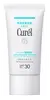
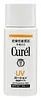
Curel Intensive Moisture Care UV Protection Essence SPF 30 Versus Curel Day Barrier UV Protection Milk SPF50+ PA+++
This mineral sunscreen covers the full UV range and blocks ~97% of UVB at SPF 30.
This mineral sunscreen covers the full UV range and blocks ~98% of UVB at SPF 50.

What's inside
What's inside
 Key Ingredients
Benefits
Concerns
Ingredients Side-by-side
Dipotassium Glycyrrhizate
Humectant

Water
Skin ConditioningTitanium Dioxide
Cosmetic Colorant

Butylene Glycol
Humectant

C13-14 Isoparaffin
Emollient
Isononyl Isononanoate
EmollientThujopsis Dolabrata Branch Extract
Skin ConditioningIsotridecyl Isononanoate
EmollientNeopentyl Glycol Dicaprate
EmollientDipropylene Glycol
HumectantTricaprylin
Perfuming

Neopentyl Glycol Diethylhexanoate
Emollient
Trisiloxane
Skin Conditioning
Polysorbate 60
Emulsifying

Sodium Acrylate/Sodium Acryloyldimethyl Taurate Copolymer
Emulsion StabilisingIsohexadecane
EmollientPolysorbate 80
Emulsifying
Hexadesyloxy Pg Hydroxyethyl Hexadecanamide
Aluminum Hydroxide
EmollientStearic Acid
Cleansing
Dextrin Palmitate
Emulsifying
Dipentaerythrityl Tri-Polyhydroxystearate
Emollient
Polyglyceryl-2 Diisostearate
Emulsifying
Eucalyptus Globulus Leaf Extract
Perfuming
Potassium Hydroxide
BufferingSorbitan Distearate
EmollientCetearyl Alcohol
Emollient



Acrylates/C10-30 Alkyl Acrylate Crosspolymer
Emulsion StabilisingStearyl Alcohol
Emollient
Aminomethyl Propanediol
BufferingXylitol
Humectant
Betaine
Humectant
Polyhydroxystearic Acid
Emulsifying
Sorbitan Oleate
Emulsifying
EDTA
ChelatingXanthan Gum
EmulsifyingPhenoxyethanol
Preservative
Dipotassium Glycyrrhizate, Water, Titanium Dioxide, Butylene Glycol, C13-14 Isoparaffin, Isononyl Isononanoate, Thujopsis Dolabrata Branch Extract, Isotridecyl Isononanoate, Neopentyl Glycol Dicaprate, Dipropylene Glycol, Tricaprylin, Neopentyl Glycol Diethylhexanoate, Trisiloxane, Polysorbate 60, Sodium Acrylate/Sodium Acryloyldimethyl Taurate Copolymer, Isohexadecane, Polysorbate 80, Hexadesyloxy Pg Hydroxyethyl Hexadecanamide, Aluminum Hydroxide, Stearic Acid, Dextrin Palmitate, Dipentaerythrityl Tri-Polyhydroxystearate, Polyglyceryl-2 Diisostearate, Eucalyptus Globulus Leaf Extract, Potassium Hydroxide, Sorbitan Distearate, Cetearyl Alcohol, Acrylates/C10-30 Alkyl Acrylate Crosspolymer, Stearyl Alcohol, Aminomethyl Propanediol, Xylitol, Betaine, Polyhydroxystearic Acid, Sorbitan Oleate, EDTA, Xanthan Gum, Phenoxyethanol
Stearyl Glycyrrhetinate
Skin ConditioningDimethicone
Emollient
Water
Skin ConditioningCyclopentasiloxane
Emollient
Zinc Oxide
Cosmetic Colorant
Palmitamine Oxide
CleansingThujopsis Dolabrata Branch Extract
Skin ConditioningCyclomethicone
Emollient
Dimethicone/Methicone Copolymer
Butylene Glycol
Humectant
Squalane
Emollient
Neopentyl Glycol Dicaprate
EmollientC13-14 Isoparaffin
Emollient
Hexadesyloxy Pg Hydroxyethyl Hexadecanamide
Methicone
Emollient
Silicon/Titanium/Cerium/Zinc Oxides
Glycerin
Humectant
Bis-Methoxypropylamido Isodocosane
EmollientEucalyptus Globulus Leaf Extract
Perfuming
Aluminum Hydroxide
EmollientPolymethylhydrogensiloxane
Trisiloxane
Skin Conditioning
Hydrolyzed Oxidized Keratin
Skin ConditioningBarium/Calcium/Silicon/Titanium Oxide
SurfactantSilica
Abrasive

Dextrin Palmitate
Emulsifying
Cetyl Dimethicone
Emollient
Stearyl Glycyrrhetinate, Dimethicone, Water, Cyclopentasiloxane, Zinc Oxide, Palmitamine Oxide, Thujopsis Dolabrata Branch Extract, Cyclomethicone, Dimethicone/Methicone Copolymer, Butylene Glycol, Squalane, Neopentyl Glycol Dicaprate, C13-14 Isoparaffin, Hexadesyloxy Pg Hydroxyethyl Hexadecanamide, Methicone, Silicon/Titanium/Cerium/Zinc Oxides, Glycerin, Bis-Methoxypropylamido Isodocosane, Eucalyptus Globulus Leaf Extract, Aluminum Hydroxide, Polymethylhydrogensiloxane, Trisiloxane, Hydrolyzed Oxidized Keratin, Barium/Calcium/Silicon/Titanium Oxide, Silica, Dextrin Palmitate, Cetyl Dimethicone
Ingredients Explained
These ingredients are found in both products.
Ingredients higher up in an ingredient list are typically present in a larger amount.
Aluminum Hydroxide is a form of aluminum. It can be naturally found in nature as the mineral gibbsite. In cosmetics, Aluminum Hydroxide is used as a colorant, pH adjuster, and absorbent.
As a colorant, Aluminum Hydroxide may add opacity, or reduce the transparency. Aluminum hydroxide is contains both basic and acidic properties.
According to manufacturers, this ingredient is an emollient and humectant. This means it helps hydrate the skin.
In medicine, this ingredient is used to help relieve heartburn and help heal ulcers.
There is currently no credible scientific evidence linking aluminum hydroxide in cosmetics to increased cancer risk.
Major health organizations allow the use of aluminum hydroxide in personal care products and have not flagged it as a carcinogenic risk at typical usage levels.
Learn more about Aluminum HydroxideButylene Glycol (or BG) is used within cosmetic products for a few different reasons:
Overall, Butylene Glycol is a safe and well-rounded ingredient that works well with other ingredients.
Though this ingredient works well with most skin types, some people with sensitive skin may experience a reaction such as allergic rashes, closed comedones, or itchiness.
Learn more about Butylene GlycolC13-14 Isoparaffin is a synthetic emollient, solvent, and thickening agent. It helps soften skin and improves spreadability without leaving a greasy residue.
This ingredient has been found to be non-sensitizing and safe for use in cosmetics.
Two things floating around online that cause fear-mongering:
There's one scary-sounding study related to kidney tumors in male rats; this depends on a protein called alpha-2u-globulin that binds the ingredient and clogs up kidney cells. Female rats barely make this protein, and humans don't make it at all so this effect cannot happen to us. Regulatory bodies have states this rat-only pathway shouldn't be used to judge human risk.
The other thing you'll see is 1,4-dioxane being a trace byproduct that can form during manufacturing of petroleum-derived ingredients. This is a real, but heavily managed/monitored issue. This byproduct is removed through purification steps before the ingredients goes into the formula. Regulatory bodies also actively monitor residual levels for safety.
One last thing to note: this ingredient is a pure hydrocarbon with no fatty-acid or ester chains for Malassezia to feed on, so it's considered fungal acne safe.
Learn more about C13-14 IsoparaffinDextrin Palmitate is an oil-loving texture helper made by bonding palmitic acid onto Dextrin. It's main roles are to turn liquid oils into spreadable gels and prevent ingredients from separating.
It also lends a silky, non-greasy slip that makes products feel more elegant.
Typical use concentrations range from 0.5-5%, but can go up to 10% depending on how firm the gel is.
Because it's an ester built on a fatty acid, it may not be fungal acne safe.
Learn more about Dextrin PalmitateEucalyptus globulus leaf extract comes from the leaves of the blue gum tree. It has perfuming and skin conditioning properties.
According to a manufacturer, this ingredient has antioxidants to help protect skin against free radicals.
This ingredient is water-soluble.
Learn more about Eucalyptus Globulus Leaf ExtractWe don't have a description for Neopentyl Glycol Dicaprate yet.
This ingredient comes from the Thujopsis evergreen tree. In Japan, this tree is known as asunaro.
Trisiloxane is a type of silicone.
Water. It's the most common cosmetic ingredient of all. You'll usually see it at the top of ingredient lists, meaning that it makes up the largest part of the product.
So why is it so popular? Water most often acts as a solvent - this means that it helps dissolve other ingredients into the formulation.
You'll also recognize water as that liquid we all need to stay alive. If you see this, drink a glass of water. Remember to stay hydrated!
Learn more about WaterThis ingredient is also known as Sphingolipid E.
According to a manufacturer, it is a synthetic ingredient that mimics ceramide 2 to restore skin barrier integrity.
You'll likely see this ingredient in skincare for treating dry or atopic dermatitis-prone skin for improving moisture content and reducing transepidermal water loss (TEWL).
Learn more about Hexadesyloxy Pg Hydroxyethyl Hexadecanamide

