
What's inside
What's inside
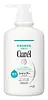 Key Ingredients
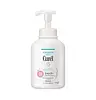
No key ingredients
Benefits
Concerns
Ingredients Side-by-side
Dipotassium Glycyrrhizate
Humectant

Water
Skin ConditioningSodium Laureth Sulfate
Cleansing



Lauryl Hydroxysultaine
CleansingC9-11 Alkyl Glucoside
CleansingPPG-10 Lauryl Ether
PPG-3
SolventTrehalose Hydroxypropyltrimonium Chloride
Skin ConditioningBenzyl Benzoate
Antimicrobial


Coconut Oil Aminoethoxyethanol Amides
Foaming




Sodium Cocoyl Glutamate
Cleansing
Citric Acid
Buffering

Diallyldimethyl Ammonium Chloride
Stearoxymethicone/Dimethicone Copolymer
Emollient
Alcohol Denat.
Antimicrobial
EDTA
ChelatingSodium Chloride
MaskingSodium Hydroxide
BufferingOrange Roughy Oil
Skin Conditioning
Eucalyptus Globulus Oil
Dipotassium Glycyrrhizate, Water, Sodium Laureth Sulfate, Lauryl Hydroxysultaine, C9-11 Alkyl Glucoside, PPG-10 Lauryl Ether, PPG-3, Trehalose Hydroxypropyltrimonium Chloride, Benzyl Benzoate, Coconut Oil Aminoethoxyethanol Amides, Sodium Cocoyl Glutamate, Citric Acid, Diallyldimethyl Ammonium Chloride, Stearoxymethicone/Dimethicone Copolymer, Alcohol Denat., EDTA, Sodium Chloride, Sodium Hydroxide, Orange Roughy Oil, Eucalyptus Globulus Oil
Water
Skin ConditioningGlycerin
Humectant


Sodium Laureth Sulfate
Cleansing
Polysorbate 60
Emulsifying
Laureth-23
Cleansing
Isodecyl Glyceryl Ether
SurfactantSodium Cocoyl Glutamate
Cleansing
Lauryl Hydroxysultaine
CleansingSodium Benzoate
Masking
Succinic Acid
BufferingDisodium EDTA
ChelatingMalic Acid
Buffering

Dipotassium Glycyrrhizate
Humectant
Polyquaternium-10
Sodium Hydroxide
BufferingTrisodium EDTA
ChelatingPolyquaternium-39
Tocopheryl Acetate
Antioxidant

Cetearyl Alcohol
Emollient
Helianthus Annuus Seed Oil
Emollient
Eucalyptus Globulus Leaf Oil
Perfuming
Myristyl Alcohol
Emollient
Water, Glycerin, Sodium Laureth Sulfate, Polysorbate 60, Laureth-23, Isodecyl Glyceryl Ether, Sodium Cocoyl Glutamate, Lauryl Hydroxysultaine, Sodium Benzoate, Succinic Acid, Disodium EDTA, Malic Acid, Dipotassium Glycyrrhizate, Polyquaternium-10, Sodium Hydroxide, Trisodium EDTA, Polyquaternium-39, Tocopheryl Acetate, Cetearyl Alcohol, Helianthus Annuus Seed Oil, Eucalyptus Globulus Leaf Oil, Myristyl Alcohol
Alternatives
Ingredients Explained
These ingredients are found in both products.
Ingredients higher up in an ingredient list are typically present in a larger amount.
Dipotassium Glycyrrhizate comes from licorice root.
Extracts of licorice have demonstrated to have antibacterial, anti‐inflammatory, antiviral, antioxidant properties.
One component, glabridin, has extra potent antioxidant and soothing properties. It has also been found to block pigmentation from UVB rays in guinea pigs.
Licorice Root also contains a flavonoid. Flavonoids are a natural substance from in plants. Flavonoids also have antioxidant properties.
Another component, glycyrrhizin, has been found to have anti-inflammatory and antimicrobial benefits. This may make licorice root extract effective at treating acne. However, more research is needed to support this.
Liquiritin is one of the flavone compounds found in licorice. It has been found to help lighten skin by preventing tyrosinase from reacting with tyrosine. When the two react, protein is converted to melanin. Melanin is the substance in your body that gives your features pigmentation.
Licorice root is native to Southern Europe and Asia. It has been used in traditional Chinese medicine to help with respiratory issues.
Learn more about Dipotassium GlycyrrhizateLauryl Hydroxysultaine is a mild surfactant or cleansing ingredient that helps lift away dirt/oil, boost foam, and thicken the formula. It plays nicely with other surfactants and stays stable across a wide pH range.
Sodium Cocoyl Glutamate is a gentle cleanser and surfactant. It is the sodium salt of the Cocoyl Glutamic Acid and comes from coconut oil. As a surfactant, it helps lift dirt and oil to be washed away.
Sodium Cocoyl Glutamate also has an emolliating effect and can help leave the skin feeling soft.
Sodium Hydroxide is also known as lye or caustic soda. It is used to adjust the pH of products; many ingredients require a specific pH to be effective.
In small amounts, sodium hydroxide is considered safe to use. However, large amounts may cause chemical burns due to its high alkaline.
Your skin has a natural pH and acid mantle. This acid mantle helps prevent harmful bacteria from breaking through. The acid mantle also helps keep your skin hydrated.
"Alkaline" refers to a high pH level. A low pH level would be considered acidic.
Learn more about Sodium HydroxideSodium Laureth Sulfate (SLES) is a foaming, cleansing, and emulsifying ingredient. It is created from palm kernel oil or coconut oil. SLES is not the same as sodium lauryl sulfate. It is much milder and less likely to irritate.
SLES helps create foam in personal products. It also prevents ingredients from separating, helping to elongate the shelf life.
Sodium Laureth Sulfate is a type of sulfate. It can be drying. We recommend speaking with a professional about using this ingredient if you have concerns.
Learn more about Sodium Laureth SulfateWater. It's the most common cosmetic ingredient of all. You'll usually see it at the top of ingredient lists, meaning that it makes up the largest part of the product.
So why is it so popular? Water most often acts as a solvent - this means that it helps dissolve other ingredients into the formulation.
You'll also recognize water as that liquid we all need to stay alive. If you see this, drink a glass of water. Remember to stay hydrated!
Learn more about Water

