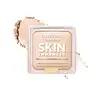
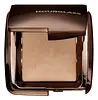
Covergirl TruBlend Skin Enhancer Baked Luminous Finishing Face Powder Versus Hourglass Cosmetics Ambient Lighting Finishing Powder

What's inside
What's inside
 Key Ingredients
Benefits
Concerns
Ingredients Side-by-side
Synthetic Fluorphlogopite
Mica
Cosmetic ColorantSilica
Abrasive


Caprylic/Capric Triglyceride
Masking


Octyldodecanol
Emollient
Octyldodecyl Stearoyl Stearate
Emollient

Tocopheryl Acetate
Antioxidant


Dehydroacetic Acid
Preservative
Glyceryl Caprylate
EmollientEthylhexylglycerin
Skin ConditioningXanthan Gum
EmulsifyingSodium Hyaluronate
Humectant


Kaolin
Abrasive
Rosa Alba Flower Extract
Emollient

Tocopherol
Antioxidant
Iron Oxides
CI 77007
Cosmetic ColorantCI 73360
Cosmetic ColorantCI 15850
Cosmetic ColorantSynthetic Fluorphlogopite, Mica, Silica, Caprylic/Capric Triglyceride, Octyldodecanol, Octyldodecyl Stearoyl Stearate, Tocopheryl Acetate, Dehydroacetic Acid, Glyceryl Caprylate, Ethylhexylglycerin, Xanthan Gum, Sodium Hyaluronate, Kaolin, Rosa Alba Flower Extract, Tocopherol, Iron Oxides, CI 77007, CI 73360, CI 15850
Mica
Cosmetic ColorantSynthetic Fluorphlogopite
Boron Nitride
Absorbent
Hdi/Trimethylol Hexyllactone Crosspolymer
Polymethyl Methacrylate
Octyldodecanol
Emollient
Benzoic Acid
Masking
C13-14 Isoparaffin
Emollient
Dehydroacetic Acid
Preservative
Diamond Powder
Abrasive
Dimethicone
Emollient

Ethylhexylglycerin
Skin ConditioningLaureth-7
EmulsifyingMagnesium Aluminum Silicate
Absorbent
Phenoxyethanol
Preservative
Polyacrylamide
Polymethylsilsesquioxane
Potassium Sorbate
Preservative
Silica
Abrasive
Sodium Dehydroacetate
Preservative
Sorbic Acid
Preservative
Sorbitan Sesquioleate
Emulsifying
Trimethylsiloxysilicate
Emollient
Mica, Synthetic Fluorphlogopite, Boron Nitride, Hdi/Trimethylol Hexyllactone Crosspolymer, Polymethyl Methacrylate, Octyldodecanol, Benzoic Acid, C13-14 Isoparaffin, Dehydroacetic Acid, Diamond Powder, Dimethicone, Ethylhexylglycerin, Laureth-7, Magnesium Aluminum Silicate, Phenoxyethanol, Polyacrylamide, Polymethylsilsesquioxane, Potassium Sorbate, Silica, Sodium Dehydroacetate, Sorbic Acid, Sorbitan Sesquioleate, Trimethylsiloxysilicate
Reviews
Ingredients Explained
These ingredients are found in both products.
Ingredients higher up in an ingredient list are typically present in a larger amount.
Dehydroacetic Acid is a synthetic preservative that keeps your products safe from microbes.
As an organic acid, it penetrates microbial cell walls and disrupts cellular metabolism. This makes it effective against bacteria, yeast, and mold.
It is effective at low concentrations (<0.6%). Clinical studies have found it to be non-irritating, non-sensitizing, and non-photosensitizing.
Learn more about Dehydroacetic AcidEthylhexylglycerin is created from glycerin. It is a multitasker ingredient that:
The CIR Expert Panel found minimal skin absorption or sensitization of any kind in a safety assessment. Though this ingredient is considered well-tolerated, a small number of cases of allergic dermatitis have been published since 2002. Just be sure to patch test if you are unsure.
Industry-reported use ranges from 8% in rinse-off products and 2% in leave-on formulations.
Learn more about EthylhexylglycerinMica is a naturally occurring mineral used to add shimmer and color in cosmetics. It can also help improve the texture of a product or give it an opaque, white/silver color.
Serecite is the name for very fine but ragged grains of mica.
This ingredient is often coated with metal oxides like titanium dioxide. Trace amounts of heavy metals may be found in mica, but these metals are not harmful in our personal products.
Mica has been used since prehistoric times throughout the world. Ancient Egyptian, Indian, Greek, Roman, Aztec, and Chinese civilizations have used mica.
Learn more about MicaOctyldodecanol is a fatty alcohol sourced from plant oils like coconut or palm (or made synthetically).
It is:
You'll likely see this in many BHA products because this is the go-to solvent for salicylic acid.
This ingredient is typically used at levels between 2-20%.
Regarding fungal acne:
In 2019, this ingredient was tested against multiple Malassezia species (the yeast that causes fungal acne) and showed no growth.
Silica, also known as silicon dioxide, is a naturally occurring mineral. It is used as a fine, spherical, and porous powder in cosmetics.
Though it has exfoliant properties, the function of silica varies depending on the product.
The unique structure of silica enhances the spreadability and adds smoothness, making it a great texture enhancer.
It is also used as an active carrier, emulsifier, and mattifier due to its ability to absorb excess oil.
In some products, tiny microneedles called spicules are made from silica or hydrolyzed sponge. When you rub them in, they lightly polish away dead skin layers and enhance the penetration of active ingredients.
Learn more about SilicaSynthetic Fluorphlogopite is the synthethic version of mica. It consists of fluorine, aluminum and silicate.
Synthetic Fluorphlogopite is used to add volume to products.
It is considered non-irritating on the skin.
Learn more about Synthetic Fluorphlogopite

