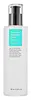
This pore-care toner is formulated around Salix Alba Bark Water and Betaine Salicylate to refine the look of pores and balance excess oil.
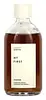
This hydrating essence is formulated around Camellia Sinensis Leaf Extract and Sodium Hyaluronate to hydrate skin and calm redness.

What's inside
What's inside
 Key Ingredients
Benefits
Concerns
No concerns
Ingredients Side-by-side
Salix Alba Bark Water
Astringent
Butylene Glycol
Humectant

Hydroxypropyl Cyclodextrin
MaskingWater
Skin ConditioningPentylene Glycol
Skin Conditioning
1,2-Hexanediol
Skin Conditioning
Betaine Salicylate
Antimicrobial





Arginine
Masking
Betaine
Humectant
PEG-60 Hydrogenated Castor Oil
Emulsifying

Allantoin
Skin Conditioning
Panthenol
Skin Conditioning
Ethylhexylglycerin
Skin ConditioningSodium Hyaluronate
Humectant

Carbomer
Emulsion StabilisingCassia Obtusifolia Seed Extract
Skin ConditioningMenthyl Lactate
Masking
Mentha Haplocalix Extract
MaskingSalix Alba Bark Water, Butylene Glycol, Hydroxypropyl Cyclodextrin, Water, Pentylene Glycol, 1,2-Hexanediol, Betaine Salicylate, Arginine, Betaine, PEG-60 Hydrogenated Castor Oil, Allantoin, Panthenol, Ethylhexylglycerin, Sodium Hyaluronate, Carbomer, Cassia Obtusifolia Seed Extract, Menthyl Lactate, Mentha Haplocalix Extract
Camellia Sinensis Leaf Extract 42.7%
Antimicrobial

Water
Skin ConditioningGlycerin 9%
Humectant
Pentylene Glycol
Skin Conditioning
Butylene Glycol
Humectant
Rosa Damascena Flower Water 1%
Masking
Sclerotium Gum
Emulsion StabilisingArtemisia Princeps Leaf Extract
Skin ConditioningXanthan Gum
EmulsifyingBetaine
Humectant
Sodium Hyaluronate
Humectant
Hydrolyzed Hyaluronic Acid
Humectant
Hyaluronic Acid
Humectant
Polyglutamic Acid
Skin Conditioning
Citric Acid
Buffering
Reviews
Ingredients Explained
These ingredients are found in both products.
Ingredients higher up in an ingredient list are typically present in a larger amount.
Betaine is a humectant. Like hyaluronic acid, it helps attract and retain moisture in the skin. It’s known for being gentle and for helping the skin maintain balanced hydration.
Betaine is mainly used to improve hydration and support calmer skin. It helps skin cells regulate water balance because it functions as an osmolyte.
Some studies suggest betaine may support making skin tone more even.
Fun fact: Betaine naturally exists in the skin and the body. In cosmetic products, it can be either plant-derived (most commonly from sugar beets) or synthetically produced for consistency and stability.
Betaine is also known as trimethylglycine.
Learn more about BetaineButylene Glycol (or BG) is used within cosmetic products for a few different reasons:
Overall, Butylene Glycol is a safe and well-rounded ingredient that works well with other ingredients.
Though this ingredient works well with most skin types, some people with sensitive skin may experience a reaction such as allergic rashes, closed comedones, or itchiness.
Learn more about Butylene GlycolPentylene Glycol (1,2-pentanediol) is a multitasking little diol with three main roles in a formula:
Research on alkanediols (the family pentylene glycol belongs to) show they work by disrupting microbial cell membranes. This disruption helps the primary preservative system in a product work more effectively at lower doses.
On the safety side, the Cosmetic Ingredient Review Expert Panel has concluded this ingredient to be safe as used in current cosmetic practices + concentrations.
Typical use levels in a formula run about 1-5%.
Learn more about Pentylene GlycolSodium Hyaluronate is the salt form of hyaluronic acid. It is a long sugar chain that is naturally found in your skin, joints, and connective tissue that maintains hydration and elasticity.
In skincare, it works as a humectant. It pulls water from the environment and deeper layers of skin and binds it to the surface.
Interestingly, the size of the molecule affects its behavior:
Some clinical evidence links low molecular weight versions to improved wrinkle depth, elasticity, anti-inflammatory effects, and barrier repair.
Many serums use a blend of both weights so you can get surface hydration plus longer-lasting and deeper effects.
You'll typically see concentrations between 0.1-2% for this ingredient.
Learn more about Sodium HyaluronateWater. It's the most common cosmetic ingredient of all. You'll usually see it at the top of ingredient lists, meaning that it makes up the largest part of the product.
So why is it so popular? Water most often acts as a solvent - this means that it helps dissolve other ingredients into the formulation.
You'll also recognize water as that liquid we all need to stay alive. If you see this, drink a glass of water. Remember to stay hydrated!
Learn more about Water

