Circadia Snow Algae And Spirulina Cooling Mask Versus ClarityRx Cold Compress Soothing Cucumber Mask
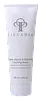
This wash off mask is made with Aloe Barbadensis Leaf Juice for a rinse-off hydration boost.
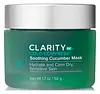
This wash off mask is made with Aloe Barbadensis Leaf Juice and Cucumis Sativus Extract for a rinse-off calming boost.

What's inside
What's inside
 Key Ingredients
Benefits
Concerns
Ingredients Side-by-side
Water
Skin ConditioningAloe Barbadensis Leaf Juice
Skin Conditioning


Glycerin
Humectant

Methyl Gluceth-20
Humectant
Menthyl Lactate
Masking
Polysorbate 20
Emulsifying
Coenochloris Signiensis Extract
Skin ConditioningSpirulina Platensis Extract
Skin ProtectingGlycine Soja Oil
Emollient




Lavandula Angustifolia Flower
Skin Conditioning
Caprylic/Capric Triglyceride
Masking
Aniba Rosaeodora Wood Extract
Masking
Prunus Persica Fruit Extract
Abrasive
Camellia Sinensis Leaf Extract
Antimicrobial




Plumeria Rubra Flower Extract
Skin ConditioningJasminum Officinale Flower/Leaf Extract
Masking
Vanilla Planifolia Fruit Extract
Skin Conditioning
Fucus Vesiculosus Extract
Emollient
Rose Extract
Skin ConditioningCitrus Aurantium Bergamia Fruit Extract
Skin ConditioningCoriandrum Sativum Seed Extract
Skin ConditioningCupressus Sempervirens Seed Extract
Perfuming
Rosmarinus Officinalis Leaf Extract
AntimicrobialMaltodextrin
Absorbent
Lecithin
Emollient
Xanthan Gum
EmulsifyingPhenoxyethanol
Preservative
Ethylhexylglycerin
Skin ConditioningCarbomer
Emulsion StabilisingAdenosine Phosphate
Skin ConditioningWater, Aloe Barbadensis Leaf Juice, Glycerin, Methyl Gluceth-20, Menthyl Lactate, Polysorbate 20, Coenochloris Signiensis Extract, Spirulina Platensis Extract, Glycine Soja Oil, Lavandula Angustifolia Flower, Caprylic/Capric Triglyceride, Aniba Rosaeodora Wood Extract, Prunus Persica Fruit Extract, Camellia Sinensis Leaf Extract, Plumeria Rubra Flower Extract, Jasminum Officinale Flower/Leaf Extract, Vanilla Planifolia Fruit Extract, Fucus Vesiculosus Extract, Rose Extract, Citrus Aurantium Bergamia Fruit Extract, Coriandrum Sativum Seed Extract, Cupressus Sempervirens Seed Extract, Rosmarinus Officinalis Leaf Extract, Maltodextrin, Lecithin, Xanthan Gum, Phenoxyethanol, Ethylhexylglycerin, Carbomer, Adenosine Phosphate
Water
Skin ConditioningAloe Barbadensis Leaf Juice
Skin Conditioning
Glycerin
Humectant
Cucumis Sativus Extract
Skin Conditioning
Chamomilla Recutita Extract
Skin Conditioning
Ananas Sativus Fruit Extract
Skin ConditioningAchillea Millefolium Flower Extract
Antioxidant
Carbomer
Emulsion StabilisingAllantoin
Skin Conditioning
Sodium PCA
Humectant
Triethanolamine
BufferingCI 75810
Cosmetic ColorantPolyamino Sugar Condensate
HumectantSea Water
HumectantHypericum Perforatum Extract
AntimicrobialPhenoxyethanol
Preservative
Cyamopsis Tetragonoloba Gum
Emulsion StabilisingSalicylic Acid
Masking



Sodium Hyaluronate
Humectant
Parfum
Masking
Sodium Benzoate
Masking
Potassium Sorbate
Preservative
Citric Acid
Buffering
Water, Aloe Barbadensis Leaf Juice, Glycerin, Cucumis Sativus Extract, Chamomilla Recutita Extract, Ananas Sativus Fruit Extract, Achillea Millefolium Flower Extract, Carbomer, Allantoin, Sodium PCA, Triethanolamine, CI 75810, Polyamino Sugar Condensate, Sea Water, Hypericum Perforatum Extract, Phenoxyethanol, Cyamopsis Tetragonoloba Gum, Salicylic Acid, Sodium Hyaluronate, Parfum, Sodium Benzoate, Potassium Sorbate, Citric Acid
Ingredients Explained
These ingredients are found in both products.
Ingredients higher up in an ingredient list are typically present in a larger amount.
Aloe Barbadensis Leaf Juice is the filtered, stabilized liquid pressed from the inner gel of the aloe vera leaf.
In cosmetics, it shows up as either soothing active or a water-replacement base. It is roughly 98-99% water and the last 1-2% is an interesting mix of polysaccharides, amino acids, vitamins, minerals, and enzymes.
The polysaccharides do most of the work: they bind water at the skin surface for a light, non-greasy hydration boost. And one of the polysaccharides, glycomannan, is linked to fibroblast stimulation + collagen synthesis. This is also why aloe has such a long track record in wound and burn healing.
This ingredient is also calming with anti-inflammatory and mild antimicrobial activity, making it a great pick for sensitive, irritated, or post-sun skin.
Realistic expectations matter though; the solid evidence is mostly limited to hydration, soothing, and wound support. Deeper claims about anti-aging or sun protection are not well backed, and science reviews note it does not prevent radiation-induced skin injury.
Because it plays well with almost everything, it's commonly used as a base alongside other actives like niacinamide or vitamin C.
Typical usage concentrations range from 0.5% (where hydration benefits already show up) all the way to 90%+ (where it replaces water as the main base).
The safety for this ingredient is well-establish as well. Overall, this is a great supporting ingredient for those who want a boost in hydration.
Learn more about Aloe Barbadensis Leaf JuiceCarbomer is a synthetic thickening and gelling agent. It's basically the ingredient that gives a lot of serums, gels, creams, and sunscreens their smooth, non-sticky texture.
Although legally permitted at very high levels, carbomers are normally used at concentrations below 1%.
It also needs to be neutralized to actually thicken, and because it is a large molecule, it doesn't really penetrate the skin barrier.
Allergy-wise, the risk is very low. Clinical studies show carbomers have low potential for skin irritation/sensitization even at concentrations up to 100%.
A 2024 UK study patch-tested 1,302 patients and found true allergy to the parent group of carbomer to be rare with no confirmed relevant reactions.
Learn more about CarbomerGlycerin (or glycerol) is a compound naturally found in your skin. It's a powerhouse humectant that pulls water into the stratum corneum.
Topically, glycerin does several things at once:
Your skin makes glycerin on its own (mostly from sebaceous oil breakdown) and shuttles it to your outermost layer of skin, or your epidermis, via aquaporin-3.
Aquaporin-3 is a transporter that is essential for normal skin hydration, elasticity, and repair. Interestingly, mice lacking in AQP3 have dry and less elastic skin that can be fully corrected with glycerin.
This ingredient is non-irritating, plays well with almost every ingredient, and works across all skin types. Typical use is anywhere between 3-10% but can go up to 79% in some leave-on products.
Just know very high concentrations (>40%) can feel tacky in low humidity.
Glycerin is the name for this ingredient in American English. British English uses Glycerol/Glycerine.
Learn more about GlycerinPhenoxyethanol is one of the most widely used preservatives in skincare (and for good reason!).
It has a large spectrum of antimicrobial activity and especially effective bacteria, yeast, and mold while only having a weak effect on your skin's natural microbiome.
On a cellular level, it disrupts the cell membranes of microbes by poking holes that make the cell leak. This shuts down the chemical reactions the microbe needs to make energy so it can no longer survive.
Another perk of this ingredient is that it stays functional across a wide pH range (3-10).
You'll often see it paired with boosters like Ethylhexylglycerin; one study showed that a 1:9 ratio of Ethylhexylglycerin to Phenoxyethanol damages bacterial membranes as effectively as doubling the Phenoxyethanol concentration on its own.
Typical use concentrations range from 0.3-1% depending on the formula, and this ingredient is capped at 1% int the EU.
Safety-wise, the fear mongering does not hold up to the evidence. The EU's Scientific Committee on Consumer Safety and FDA consider it safe as a preservative at up to 1%, including for children of all ages.
Adverse systemic effects only showed up in animal studies at exposures roughly 200x higher than what people get from cosmetics. And despite its very widespread use, this ingredient is a rare sensitizer and allergic reactions are uncommon.
Learn more about PhenoxyethanolWater. It's the most common cosmetic ingredient of all. You'll usually see it at the top of ingredient lists, meaning that it makes up the largest part of the product.
So why is it so popular? Water most often acts as a solvent - this means that it helps dissolve other ingredients into the formulation.
You'll also recognize water as that liquid we all need to stay alive. If you see this, drink a glass of water. Remember to stay hydrated!
Learn more about Water

