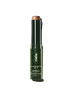
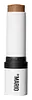
ciele. Sculpt & Protect SPF 30+ Bronzing Contour Stick Versus Makeup by Mario SoftSculpt Shaping Stick

What's inside
What's inside
 Key Ingredients
Benefits
Concerns
Ingredients Side-by-side
Zinc Oxide 15%
Cosmetic Colorant


Caprylic/Capric Triglyceride
Masking


Beeswax
Emulsion Stabilising




C12-15 Alkyl Benzoate
AntimicrobialC26-28 Alkyl Dimethicone
Skin Conditioning
Butyloctyl Salicylate
Skin Conditioning
Cetyl Ricinoleate
Emollient
Hydrogenated Vegetable Oil
Emollient
Octyldodecyl Neopentanoate
EmollientTitanium Dioxide
Cosmetic Colorant
CI 77891
Cosmetic ColorantParaffin
Skin Conditioning
Euphorbia Cerifera Wax
Cetearyl Ethylhexanoate
Emollient
Trilaureth-4 Phosphate
EmulsifyingDimethiconol
Emollient
Microcrystalline Wax
Emulsion StabilisingCopernicia Cerifera Wax
Tocopheryl Acetate
Antioxidant


Phenoxyethanol
Preservative
Iron Oxides
CI 77492
Cosmetic ColorantCI 77499
Cosmetic ColorantBisabolol
Antioxidant


CI 77491
Cosmetic ColorantPolyglyceryl-4 Diisostearate/Polyhydroxystearate/Sebacate
Emulsifying
Ethylhexylglycerin
Skin ConditioningAluminum Hydroxide
EmollientHydrogenated Lecithin
Emulsifying
Zinc Oxide 15%, Caprylic/Capric Triglyceride, Beeswax, C12-15 Alkyl Benzoate, C26-28 Alkyl Dimethicone, Butyloctyl Salicylate, Cetyl Ricinoleate, Hydrogenated Vegetable Oil, Octyldodecyl Neopentanoate, Titanium Dioxide, CI 77891, Paraffin, Euphorbia Cerifera Wax, Cetearyl Ethylhexanoate, Trilaureth-4 Phosphate, Dimethiconol, Microcrystalline Wax, Copernicia Cerifera Wax, Tocopheryl Acetate, Phenoxyethanol, Iron Oxides, CI 77492, CI 77499, Bisabolol, CI 77491, Polyglyceryl-4 Diisostearate/Polyhydroxystearate/Sebacate, Ethylhexylglycerin, Aluminum Hydroxide, Hydrogenated Lecithin
C12-15 Alkyl Benzoate
AntimicrobialCaprylic/Capric Triglyceride
Masking
Dimethicone/Vinyl Dimethicone Crosspolymer
Skin Conditioning
Ozokerite
Emulsion StabilisingPolyethylene
Abrasive
Polymethyl Methacrylate
Dicalcium Phosphate
Abrasive
Polyglyceryl-2 Diisostearate
Emulsifying
Polymethylsilsesquioxane
Dipentaerythrityl Hexahydroxystearate
EmulsifyingOctyldodecanol
Emollient
Triethoxycaprylylsilane
Laureth-4
Emulsifying
Disteardimonium Hectorite
StabilisingAlcohol
Antimicrobial

Pentaerythrityl Tetra-Di-T-Butyl Hydroxyhydrocinnamate
Antioxidant
Water
Skin ConditioningC12-15 Alkyl Benzoate, Caprylic/Capric Triglyceride, Dimethicone/Vinyl Dimethicone Crosspolymer, Ozokerite, Polyethylene, Polymethyl Methacrylate, Dicalcium Phosphate, Polyglyceryl-2 Diisostearate, Polymethylsilsesquioxane, Dipentaerythrityl Hexahydroxystearate, Octyldodecanol, Triethoxycaprylylsilane, Laureth-4, Disteardimonium Hectorite, Alcohol, Pentaerythrityl Tetra-Di-T-Butyl Hydroxyhydrocinnamate, Water
Reviews
Alternatives
Ingredients Explained
These ingredients are found in both products.
Ingredients higher up in an ingredient list are typically present in a larger amount.
C12-15 Alkyl Benzoate is a lightweight emollient made by combinig benzoic acid with fatty alcohols that are 12-15 carbons long.
In cosmetics, it plays several roles:
The Cosmetic Review Expert Panel has concluded the alkyl benzoate group to be safe as used in cosmetics; it wasn't found to be a skin irritant and unlikely to be absorbed due to its low water solubility.
This report recorded almost 1000 reported uses with concentrations up to 59% in leave-on products but your cosmetics will typically use 0.5-15% depending on the product.
It's often called a "SPF booster": this is because it keeps UV filters properly dissolved and evenly distributed to support a sunscreen's performance. It doesn't actually raise SPF on its own.
Overall, this ingredient is well tolerated.
This ingredient is fungal acne safe because it is an ester of benzoic acid.
Think of this ingredient as two parts stuck together: an oily part and an acid part. Malassezia only gets a meal when it can snip off a fatty acid to eat. With C12-15 Alkyl Benzoate, the acid part is benzoic acid, which isn't a fatty acid and which the yeast can't use as food.
Benzoic acid is actually used as a preservative to stop yeast from growing.
The oily part is a blend of C12-15 fatty alcohols but fatty alcohols in this size range can support only a little Malassezia growth (mostly for one species of Malassezia as well).
In the ingredient, those alcohols stay locked inside the molecule. The yeast can only reach them by snipping the benzoate bond, and that type of bond is harder for it to cut than a normal fatty bond.
So not much gets released. And whatever does get snipped comes packaged with benzoic acid, which discourages yeast growth.
Learn more about C12-15 Alkyl BenzoateCaprylic/Capric Triglyceride (aka MCT Oil) is a lightweight emollient, solvent, and texture enhancer. It is considered a skin-softener by helping to prevent moisture loss.
Though it behaves like an oil, it is not technically one due to its chemical composition. One perk of this ingredient is that it is very stable, resistant to oxidation, and unlikely to go rancid.
In practice, that translates to a long shelf life and a consistently elegant skin feel.
While there is an assumption Caprylic Triglyceride can clog pores due to it being derived from coconut oil, there is no research supporting this. Just patch test if you have concerns.
Fractionated coconut oil and MCT Oil are both listed as Caprylic/Capric Triglyceride according to INCI. This is because INCI names are based on the ingredient’s final chemical composition and not its marketing name or source.
This ingredient is treated as the gold standard fungal acne safe oil. Even though it is coconut derived, the problematic lauric acid is stripped out.
This leaves just caprylic (C8) and capric (C10) acid. These chain lengths actually trend antifungal; a 2020 study found caprylic acid was enough to disrupt Malassezia furfur cell membrane, with a caprylic acid derivative damaging membrane structures at concentrations as low as 0.2%.
Learn more about Caprylic/Capric Triglyceride

