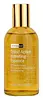
This calming essence is formulated around Salix Alba Bark Extract and Schisandra Chinensis Fruit Extract to calm redness and clear breakouts.
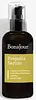
This calming serum is formulated around Propolis Extract and Camellia Sinensis Leaf Extract to calm redness and clear breakouts.

What's inside
What's inside
 Key Ingredients
Benefits
Concerns
Ingredients Side-by-side
Water
Skin ConditioningSalix Alba Bark Extract 10%
Astringent


Centaurea Cyanus Flower Water 9%
Skin Conditioning
Schisandra Chinensis Fruit Extract 9%
Skin Conditioning
Morus Alba Bark Extract 8.7%
Skin ConditioningNelumbo Nucifera Leaf Extract 8.7%
Skin ConditioningMethylpropanediol
SolventGlycerin
Humectant


Saccharomyces/Honey Ferment Filtrate
Skin Conditioning

Saccharomyces/Xylinum/Black Tea Ferment
Skin Conditioning
1,2-Hexanediol
Skin Conditioning
Propolis Extract 1%
Skin Conditioning

Butylene Glycol
Humectant
Benzyl Glycol
SolventHydroxyethylcellulose
Emulsion StabilisingCitric Acid
Buffering

Sodium Citrate
BufferingDisodium EDTA
Ethylhexylglycerin
Skin ConditioningWater, Salix Alba Bark Extract 10%, Centaurea Cyanus Flower Water 9%, Schisandra Chinensis Fruit Extract 9%, Morus Alba Bark Extract 8.7%, Nelumbo Nucifera Leaf Extract 8.7%, Methylpropanediol, Glycerin, Saccharomyces/Honey Ferment Filtrate, Saccharomyces/Xylinum/Black Tea Ferment, 1,2-Hexanediol, Propolis Extract 1%, Butylene Glycol, Benzyl Glycol, Hydroxyethylcellulose, Citric Acid, Sodium Citrate, Disodium EDTA, Ethylhexylglycerin
Propolis Extract
Skin Conditioning
Butylene Glycol
Humectant
Glycerin
Humectant
Water
Skin ConditioningCamellia Sinensis Leaf Extract
Antimicrobial


Salix Alba Bark Extract
Astringent
Saccharomyces Ferment
Skin Conditioning
Cryptomeria Japonica Leaf Extract
HumectantNelumbo Nucifera Leaf Extract
Skin ConditioningPlantago Asiatica Extract
Skin ConditioningDiospyros Kaki Leaf Extract
Skin Protecting
Ulmus Campestris Bark Extract
AstringentLaminaria Digitata Extract
Skin Protecting

Gleditsia Australis Thorn Extract
Skin ConditioningAngelica Dahurica Root Extract
Skin ConditioningCimicifuga Racemosa Root Extract
Antimicrobial
Bletilla Striata Root Extract
Skin ConditioningOryza Sativa Extract
Absorbent
Phaseolus Radiatus Seed Extract
Skin ConditioningTrichosanthes Kirilowii Root Extract
Skin ProtectingBroussonetia Kazinoki Root Extract
Skin ConditioningEugenia Caryophyllus Flower Extract
AstringentAmomum Xanthioides Seed Extract
Skin ConditioningVaccinium Macrocarpon Fruit Extract
AstringentVaccinium Angustifolium Fruit Extract
Skin Protecting
Sodium Carbomer
Emulsion StabilisingPentylene Glycol
Skin Conditioning
1,2-Hexanediol
Skin Conditioning
Caprylyl Glycol
Emollient
Epigallocatechin Gallate
Antioxidant
Propolis Extract, Butylene Glycol, Glycerin, Water, Camellia Sinensis Leaf Extract, Salix Alba Bark Extract, Saccharomyces Ferment, Cryptomeria Japonica Leaf Extract, Nelumbo Nucifera Leaf Extract, Plantago Asiatica Extract, Diospyros Kaki Leaf Extract, Ulmus Campestris Bark Extract, Laminaria Digitata Extract, Gleditsia Australis Thorn Extract, Angelica Dahurica Root Extract, Cimicifuga Racemosa Root Extract, Bletilla Striata Root Extract, Oryza Sativa Extract, Phaseolus Radiatus Seed Extract, Trichosanthes Kirilowii Root Extract, Broussonetia Kazinoki Root Extract, Eugenia Caryophyllus Flower Extract, Amomum Xanthioides Seed Extract, Vaccinium Macrocarpon Fruit Extract, Vaccinium Angustifolium Fruit Extract, Sodium Carbomer, Pentylene Glycol, 1,2-Hexanediol, Caprylyl Glycol, Epigallocatechin Gallate
Ingredients Explained
These ingredients are found in both products.
Ingredients higher up in an ingredient list are typically present in a larger amount.
1,2-Hexanediol is a synthetic liquid and another multi-functional powerhouse.
It is a:
- Humectant, drawing moisture into the skin
- Emollient, helping to soften skin
- Solvent, dispersing and stabilizing formulas
- Preservative booster, enhancing the antimicrobial activity of other preservatives
Butylene Glycol (or BG) is used within cosmetic products for a few different reasons:
Overall, Butylene Glycol is a safe and well-rounded ingredient that works well with other ingredients.
Though this ingredient works well with most skin types, some people with sensitive skin may experience a reaction such as allergic rashes, closed comedones, or itchiness.
Learn more about Butylene GlycolGlycerin (or glycerol) is a compound naturally found in your skin. It's a powerhouse humectant that pulls water into the stratum corneum.
Topically, glycerin does several things at once:
Your skin makes glycerin on its own (mostly from sebaceous oil breakdown) and shuttles it to your outermost layer of skin, or your epidermis, via aquaporin-3.
Aquaporin-3 is a transporter that is essential for normal skin hydration, elasticity, and repair. Interestingly, mice lacking in AQP3 have dry and less elastic skin that can be fully corrected with glycerin.
This ingredient is non-irritating, plays well with almost every ingredient, and works across all skin types. Typical use is anywhere between 3-10% but can go up to 79% in some leave-on products.
Just know very high concentrations (>40%) can feel tacky in low humidity.
Glycerin is the name for this ingredient in American English. British English uses Glycerol/Glycerine.
Learn more about GlycerinThis ingredient comes from the leaves of the lotus plant. It has skin conditioning properties.
Research shows lotus leaf contains antioxidants that help protect skin from things like UV exposure and pollution. In animal studies, this ingredient has been shown to help calm inflammation and reduce excess melanin production.
Propolis Extract is a natural ingredient derived from propolis (also known as bee glue). Bees make propolis by mixing their saliva and beeswax with resins collected from tree buds and plants.
This ingredient is packed with bioactive compounds like flavonoids, phenolic acids, and amino acids that give it antioxidant and anti-inflammatory properties.
Research shows it can help:
It also pairs nicely with hydrating ingredients like niacinamide and ceramides.
Just so you know, Propolis Extract is recognized as a contact allergen. In patch tests done in the EU, roughly 1-6% of patients react to it. Be sure to steer clear of this ingredient if you have a known allergy to bee products.
Since it is an animal-derived product, this ingredient is not considered vegan. For vegan alternatives, check out Galactomyces Ferment Filtrate or Centella Asiatica Extract.
Learn more about Propolis ExtractSalix Alba Bark Extract comes from the bark of the white willow tree. The official CosIng listing states this ingredient to have astringent, skin conditioning, soothing, and tonic properties.
Its star compound is salicin, a natural glucoside that is chemically related to salicylic acid. That's why you'll often see it marketed as a "natural BHA alternative" but that's a bit of a stretch.
Your skin can't convert salicin to salicylic acid because it needs specific enzymes that aren't present on the skin's surface. It won't behave like true salicylic acid, especially at the concentrations used in cosmetics.
However, this ingredient has its own perks. It contains flavonoids, polyphenols, and tannins that give it proven antioxidant and soothing properties.
An 8-week clinical study found a cream with 2% of this extract improved skin microcirculation, elasticity, and dark circles. This is most likely due to its role in increasing hyaluronic acid synthesis in fibroblasts and improved vascular integrity.
Another study found a topical serum with 0.5% salicin showed improvements in visible signs of aging, hyperpigmentation, and texture.
Just be careful if you have a known aspirin/salicylate allergy and be sure to consult with a medical professional about using this ingredient if you do.
Fun fact: Willow Bark extract has been used for thousands of years and ancient civilizations used white willow to help treat pain and fevers.
Learn more about Salix Alba Bark ExtractWater. It's the most common cosmetic ingredient of all. You'll usually see it at the top of ingredient lists, meaning that it makes up the largest part of the product.
So why is it so popular? Water most often acts as a solvent - this means that it helps dissolve other ingredients into the formulation.
You'll also recognize water as that liquid we all need to stay alive. If you see this, drink a glass of water. Remember to stay hydrated!
Learn more about Water

