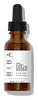
This anti-aging serum is formulated around Palmitoyl Tripeptide-38 and Palmitoyl Tripeptide-5 to soften the look of wrinkles and refine skin texture.
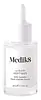
This anti-aging serum is formulated around Carnosine and Palmitoyl Tripeptide-5 to soften the look of wrinkles and refine skin texture.


What's inside
What's inside
 Key Ingredients
Benefits
Concerns
No concerns
Ingredients Side-by-side
Water
Skin ConditioningSodium Hyaluronate
Humectant




Palmitoyl Tripeptide-38
Skin Conditioning

Leontopodium Alpinum Extract
Skin ConditioningUbiquinone
Antioxidant
Echinacea Purpurea Leaf/Stem/Meristem Cell Culture Extract
Skin ConditioningPalmitoyl Tripeptide-5
Skin Conditioning
Hydroxyethylcellulose
Emulsion StabilisingPanthenol
Skin Conditioning

Tocopherol
Antioxidant


Terminalia Ferdinandiana Fruit Extract
Antioxidant
Asparagus Officinalis Stem Extract
Skin ConditioningCaprylyl Glycol
Emollient
Citric Acid
Buffering

Water, Sodium Hyaluronate, Palmitoyl Tripeptide-38, Leontopodium Alpinum Extract, Ubiquinone, Echinacea Purpurea Leaf/Stem/Meristem Cell Culture Extract, Palmitoyl Tripeptide-5, Hydroxyethylcellulose, Panthenol, Tocopherol, Terminalia Ferdinandiana Fruit Extract, Asparagus Officinalis Stem Extract, Caprylyl Glycol, Citric Acid
Water
Skin ConditioningGlycerin
Humectant
Butylene Glycol
Humectant
Inulin
Skin Conditioning
Sodium Hyaluronate
Humectant
Panthenol
Skin Conditioning
Alpha-Glucan Oligosaccharide
Cleansing
Carnosine
Skin Conditioning
Carbomer
Emulsion StabilisingPolysorbate 20
Emulsifying
Caprylyl Glycol
Emollient
Phenoxyethanol
Preservative
Hydroxypropyl Cyclodextrin
MaskingDunaliella Salina Extract
Skin ConditioningEthylhexylglycerin
Skin ConditioningCitric Acid
Buffering
Palmitoyl Tripeptide-5
Skin Conditioning
Sodium Benzoate
Masking
Acetyl Hexapeptide-8
Humectant
Tetrapeptide-21
Skin Conditioning
Pentapeptide-18
Skin Conditioning
Palmitoyl Tripeptide-1
Skin Conditioning
Pantolactone
Humectant
Palmitoyl Tripeptide-38
Skin Conditioning
Palmitoyl Tetrapeptide-7
Skin Conditioning
Glyceryl Caprylate
EmollientLactic Acid/Glycolic Acid Copolymer
Skin ConditioningPolyvinyl Alcohol
Phenylpropanol
Masking

Copper Palmitoyl Heptapeptide-14
Skin Conditioning
Heptapeptide-15 Palmitate
Skin Conditioning
Potassium Sorbate
Preservative
Xanthan Gum
EmulsifyingWater, Glycerin, Butylene Glycol, Inulin, Sodium Hyaluronate, Panthenol, Alpha-Glucan Oligosaccharide, Carnosine, Carbomer, Polysorbate 20, Caprylyl Glycol, Phenoxyethanol, Hydroxypropyl Cyclodextrin, Dunaliella Salina Extract, Ethylhexylglycerin, Citric Acid, Palmitoyl Tripeptide-5, Sodium Benzoate, Acetyl Hexapeptide-8, Tetrapeptide-21, Pentapeptide-18, Palmitoyl Tripeptide-1, Pantolactone, Palmitoyl Tripeptide-38, Palmitoyl Tetrapeptide-7, Glyceryl Caprylate, Lactic Acid/Glycolic Acid Copolymer, Polyvinyl Alcohol, Phenylpropanol, Copper Palmitoyl Heptapeptide-14, Heptapeptide-15 Palmitate, Potassium Sorbate, Xanthan Gum
Reviews
Ingredients Explained
These ingredients are found in both products.
Ingredients higher up in an ingredient list are typically present in a larger amount.
Caprylyl Glycol is a humectant, skin conditioner, emollient, and preservative booster derived from either caprylic acid or synthetically created.
Typical use levels vary from 0.3-1% as a preservative booster and go up to 2% to condition skin.
Because it is not a free-fatty acid, this ingredient is fungal acne safe (there's nothing for Malassezia to feed on).
Learn more about Caprylyl GlycolCitric Acid is an alpha hydroxy acid (AHA) naturally found in citrus fruits like oranges, lemons, and limes.
Like other AHAs, citric acid can exfoliate skin by breaking down the bonds that hold dead skin cells together. This helps reveal smoother and brighter skin underneath.
However, this exfoliating effect only happens at high concentrations (20%) which can be hard to find in cosmetic products.
Due to this, citric acid is usually included in small amounts as a pH adjuster. This helps keep products slightly more acidic and compatible with skin's natural pH.
In skincare formulas, citric acid can:
While it can provide some skin benefits, research shows lactic acid and glycolic acid are generally more effective and less irritating exfoliants.
Most citric acid used in skincare today is made by fermenting sugars (usually from molasses). This synthetic version is identical to the natural citrus form but easier to stabilize and use in formulations.
Rosacea skin has a lower threshold for acids generally, with 62.5% of rosacea subjects in one study reacting to lactic acid in a sting test. This is why we mark citric acid as a potential rosacea trigger.
However, this ingredient shows up as a pH adjuster or chelator at roughly 0.1-1% in many products. These low levels are unlikely to be an issue for rosacea skin and becomes a potential trigger at exfoliating concentrations (20%). Because everybody's skin is unique, we recommend a patch test if you are unsure.
Learn more about Citric AcidThis synthetic, signal peptide has unique skin conditioning properties in that is a matrikine-mimetic compound.
First of all, Palmitoyl Tripeptide-38 is a signal peptide; signal peptides tell the body to create more collagen.
What is a matrikine-mimetic compound?
This peptide has the ability to mimic matrikines in skin. Our skin created matrikines by breaking down matrix proteins into peptides.
Matrikines play a role in:
Though further research is needed, this ingredient seems pretty promising. In one study, women over the age of 40 with visible photoaging used a vitamin C serum with this ingredient for 56 days (15% ascorbid acid, 5 ppm palmitoyl tripeptide‐38). The results found improvement in skin roughness and skin tone.
This peptide is also part of the famous Matrixyl synthe’6, a blend of ingredients that also includes glycerin, water, and hydroxypropyl cyclodextrin.
Learn more about Palmitoyl Tripeptide-38Palmitoyl Tripeptide-5 is a synthetic signal lipopeptide. This just means it is a three amino acid chain bolted onto a palmitic acid tail so it can slip through the skin's lipid barrier.
This peptide has a "build more, lose less" approach.
It's designed to mimic the collagen-stimulating activity in your skin by copying a snippet of one of your skin's own matrix proteins. This nudges fibroblasts into making more collagen while inhibiting the enzyme that breaks down skin protein.
The manufacturer's in vivo study of 45 volunteers found 1% and 2.5% reduced the appearance of wrinkles by 7% and 12% respectively, after using it twice daily for 84 days.
This is in the expected range for peptides; they're slow and cumulative actives and not overnight fixers.
Typical use levels range from 1-3% and this ingredient gets along with pretty much everything.
On the fungal acne front:
Although palmitic acid sits in the chain length that Malassezia can feed on, this ingredient has it locked in an amine bond. This makes it hard for Malassezia to access as a source of food, and therefore fungal acne safe.
Panthenol is a common ingredient that helps hydrate and soothe the skin. It is found naturally in our skin and hair.
There are two forms of panthenol: D and L.
D-panthenol is also known as dexpanthenol. Most cosmetics use dexpanthenol or a mixture of D and L-panthenol.
Panthenol is famous due to its ability to go deeper into the skin's layers. Using this ingredient has numerous pros (and no cons):
Like hyaluronic acid, panthenol is a humectant. Humectants are able to bind and hold large amounts of water to keep skin hydrated.
This ingredient works well for wound healing. It works by increasing tissue in the wound and helps close open wounds.
Once oxidized, panthenol converts to pantothenic acid. Panthothenic acid is found in all living cells.
This ingredient is also referred to as pro-vitamin B5.
Learn more about PanthenolSodium Hyaluronate is the salt form of hyaluronic acid. It is a long sugar chain that is naturally found in your skin, joints, and connective tissue that maintains hydration and elasticity.
In skincare, it works as a humectant. It pulls water from the environment and deeper layers of skin and binds it to the surface.
Interestingly, the size of the molecule affects its behavior:
Some clinical evidence links low molecular weight versions to improved wrinkle depth, elasticity, anti-inflammatory effects, and barrier repair.
Many serums use a blend of both weights so you can get surface hydration plus longer-lasting and deeper effects.
You'll typically see concentrations between 0.1-2% for this ingredient.
Learn more about Sodium HyaluronateWater. It's the most common cosmetic ingredient of all. You'll usually see it at the top of ingredient lists, meaning that it makes up the largest part of the product.
So why is it so popular? Water most often acts as a solvent - this means that it helps dissolve other ingredients into the formulation.
You'll also recognize water as that liquid we all need to stay alive. If you see this, drink a glass of water. Remember to stay hydrated!
Learn more about Water

