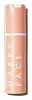
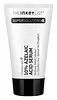
Beauty Pie Happy Face 10% Azelaic Acid Skin-Clearing Gel-Cream Versus The INKEY List SuperSolutions 10% Azelaic Serum Redness Relief Solution
This calming treatment is formulated around Azelaic Acid and Niacinamide to calm redness and clear breakouts.
This calming serum is formulated around Azelaic Acid to calm redness and clear breakouts.


What's inside
What's inside
 Key Ingredients
Benefits
Concerns
Ingredients Side-by-side
Water
Skin ConditioningDimethicone
Emollient

Butylene Glycol
Humectant

Azelaic Acid
Buffering








Glycerin
Humectant
Triethylhexanoin
MaskingDipropylene Glycol
HumectantDimethicone/Vinyl Dimethicone Crosspolymer
Skin Conditioning
Pentylene Glycol
Skin Conditioning
Niacinamide
Smoothing

Hydroxyethyl Acrylate/Sodium Acryloyldimethyl Taurate Copolymer
Emulsion StabilisingPolysorbate 60
Emulsifying

Squalane
Emollient
Phenoxyethanol
Preservative
Tocopherol
Antioxidant

Disodium EDTA
ChelatingRosa Multiflora Fruit Extract
MaskingMadecassoside
Antioxidant
Porphyra Yezoensis Extract
Skin ConditioningYeast Extract
Skin ConditioningOryza Sativa Lees Extract
Skin ConditioningAsiaticoside
Antioxidant
Asiatic Acid
Skin Conditioning
Madecassic Acid
Skin Conditioning
Prunus Lannesiana Flower Extract
Skin ConditioningWater, Dimethicone, Butylene Glycol, Azelaic Acid, Glycerin, Triethylhexanoin, Dipropylene Glycol, Dimethicone/Vinyl Dimethicone Crosspolymer, Pentylene Glycol, Niacinamide, Hydroxyethyl Acrylate/Sodium Acryloyldimethyl Taurate Copolymer, Polysorbate 60, Squalane, Phenoxyethanol, Tocopherol, Disodium EDTA, Rosa Multiflora Fruit Extract, Madecassoside, Porphyra Yezoensis Extract, Yeast Extract, Oryza Sativa Lees Extract, Asiaticoside, Asiatic Acid, Madecassic Acid, Prunus Lannesiana Flower Extract
Water
Skin ConditioningAzelaic Acid
Buffering
Propanediol
Solvent
Hydroxyethyl Acrylate/Sodium Acryloyldimethyl Taurate Copolymer
Emulsion StabilisingPhenoxyethanol
Preservative
Acacia Senegal Gum
MaskingXanthan Gum
EmulsifyingAllantoin
Skin Conditioning
Glycerin
Humectant
Ethylhexylglycerin
Skin ConditioningPolysorbate 60
Emulsifying
Sorbitan Isostearate
Emulsifying
Maltodextrin
Absorbent
Sodium Hydroxide
BufferingHydrolyzed Gardenia Florida Extract
Antioxidant
Gardenia Florida Fruit Extract
Skin ConditioningPolylysine
Water, Azelaic Acid, Propanediol, Hydroxyethyl Acrylate/Sodium Acryloyldimethyl Taurate Copolymer, Phenoxyethanol, Acacia Senegal Gum, Xanthan Gum, Allantoin, Glycerin, Ethylhexylglycerin, Polysorbate 60, Sorbitan Isostearate, Maltodextrin, Sodium Hydroxide, Hydrolyzed Gardenia Florida Extract, Gardenia Florida Fruit Extract, Polylysine
Reviews
Ingredients Explained
These ingredients are found in both products.
Ingredients higher up in an ingredient list are typically present in a larger amount.
Azelaic acid is a multitasker ingredient that helps treat acne, pigmentation, and irritation. It is a great option for sensitive skin.
What makes it special?
OTC Azelaic acid is usually available in concentrations from 10-15% and anything over requires a prescription.
Here's what each tier does best:
Unlike other acids, azelaic acid will not make your skin more photosensitive/sun sensitive.
Though this ingredient is naturally occurring in grains like wheat, rye, and barley, it is usually synthetically created for cosmetics to ensure stability and effectiveness.
Learn more about Azelaic AcidGlycerin (or glycerol) is a compound naturally found in your skin. It's a powerhouse humectant that pulls water into the stratum corneum.
Topically, glycerin does several things at once:
Your skin makes glycerin on its own (mostly from sebaceous oil breakdown) and shuttles it to your outermost layer of skin, or your epidermis, via aquaporin-3.
Aquaporin-3 is a transporter that is essential for normal skin hydration, elasticity, and repair. Interestingly, mice lacking in AQP3 have dry and less elastic skin that can be fully corrected with glycerin.
This ingredient is non-irritating, plays well with almost every ingredient, and works across all skin types. Typical use is anywhere between 3-10% but can go up to 79% in some leave-on products.
Just know very high concentrations (>40%) can feel tacky in low humidity.
Glycerin is the name for this ingredient in American English. British English uses Glycerol/Glycerine.
Learn more about GlycerinThis is a synthetic polymer. It helps improve the texture of products by adding thickness and gel-like feel.
It is also an emulsifer, meaning it prevents ingredients such as oil and water from separating. It also helps evenly disperse other ingredients.
Phenoxyethanol is one of the most widely used preservatives in skincare (and for good reason!).
It has a large spectrum of antimicrobial activity and especially effective bacteria, yeast, and mold while only having a weak effect on your skin's natural microbiome.
On a cellular level, it disrupts the cell membranes of microbes by poking holes that make the cell leak. This shuts down the chemical reactions the microbe needs to make energy so it can no longer survive.
Another perk of this ingredient is that it stays functional across a wide pH range (3-10).
You'll often see it paired with boosters like Ethylhexylglycerin; one study showed that a 1:9 ratio of Ethylhexylglycerin to Phenoxyethanol damages bacterial membranes as effectively as doubling the Phenoxyethanol concentration on its own.
Typical use concentrations range from 0.3-1% depending on the formula, and this ingredient is capped at 1% int the EU.
Safety-wise, the fear mongering does not hold up to the evidence. The EU's Scientific Committee on Consumer Safety and FDA consider it safe as a preservative at up to 1%, including for children of all ages.
Adverse systemic effects only showed up in animal studies at exposures roughly 200x higher than what people get from cosmetics. And despite its very widespread use, this ingredient is a rare sensitizer and allergic reactions are uncommon.
Learn more about PhenoxyethanolPolysorbate 60 is used to help stabilize products. It is a surfactant and emulsifier. These properties help keep ingredients together in a product. Surfactants help reduce surface tension between ingredients with different states, such as liquids and solids. Emulsifiers help prevent oils and waters from separating.
Polysorbate 60 is sorbitol-based and created from the ethoxylation of sorbitan. Ethoxylation is a chemical reaction used to add ethylene oxide. Sorbitan is a the dehydrated version of sorbitol, a sugar found in fruits.
In this case, the 60 comes from reacting 60 units of ethylene oxide with sorbitan.
Polysorbates are commonly used in medicine and foods.
Learn more about Polysorbate 60Water. It's the most common cosmetic ingredient of all. You'll usually see it at the top of ingredient lists, meaning that it makes up the largest part of the product.
So why is it so popular? Water most often acts as a solvent - this means that it helps dissolve other ingredients into the formulation.
You'll also recognize water as that liquid we all need to stay alive. If you see this, drink a glass of water. Remember to stay hydrated!
Learn more about Water

