

What's inside
What's inside
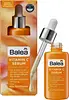 Key Ingredients
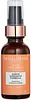
Benefits
Concerns
Ingredients Side-by-side
Water
Skin ConditioningDicaprylyl Ether
Emollient
Pentylene Glycol
Skin Conditioning
Polyglyceryl-6 Stearate
Emollient
Glycerin
Humectant
Prunus Armeniaca Kernel Oil
Masking
Ascorbyl Tetraisopalmitate
Antioxidant


Phenoxyethanol
Preservative
Parfum
Masking



Sclerotium Gum
Emulsion StabilisingStearyl Alcohol
Emollient
Ascorbyl Palmitate
Antioxidant
Xanthan Gum
EmulsifyingLimonene
Perfuming

Polyglyceryl-6 Behenate
Emulsion Stabilising
Potassium Cetyl Phosphate
Emulsifying1,2-Hexanediol
Skin Conditioning
Caprylyl Glycol
Emollient
Malpighia Glabra Fruit Juice
Skin ConditioningMaltodextrin
Absorbent
Sodium Hydroxide
BufferingLinalool
Perfuming
Benzyl Salicylate
Perfuming
Tocopherol
Antioxidant


Geraniol
Perfuming
Citral
Perfuming
Water, Dicaprylyl Ether, Pentylene Glycol, Polyglyceryl-6 Stearate, Glycerin, Prunus Armeniaca Kernel Oil, Ascorbyl Tetraisopalmitate, Phenoxyethanol, Parfum, Sclerotium Gum, Stearyl Alcohol, Ascorbyl Palmitate, Xanthan Gum, Limonene, Polyglyceryl-6 Behenate, Potassium Cetyl Phosphate, 1,2-Hexanediol, Caprylyl Glycol, Malpighia Glabra Fruit Juice, Maltodextrin, Sodium Hydroxide, Linalool, Benzyl Salicylate, Tocopherol, Geraniol, Citral
Water
Skin ConditioningPropylene Glycol
Humectant
Ascorbic Acid
Antioxidant
Glycerin
Humectant
Vitis Vinifera Seed Oil
Emollient
Dimethicone
Emollient
Xanthan Gum
EmulsifyingPolyacrylamide
C13-14 Isoparaffin
Emollient
Sodium Benzoate
Masking
Potassium Sorbate
Preservative
Laureth-7
EmulsifyingCitrus Aurantium Dulcis Peel Oil
Masking
Limonene
Perfuming
Sodium Hydroxide
BufferingCitral
Perfuming
Linalool
Perfuming
CI 77891
Cosmetic Colorant
Reviews
Ingredients Explained
These ingredients are found in both products.
Ingredients higher up in an ingredient list are typically present in a larger amount.
Citral is the molecule responsible for the fresh lemon scent in lemon, lime, and lemongrass. It is a fragrance ingredient that can be created from plant essential oils or synthetically.
Though Citral has documented antimicrobial activity against acne bacteria (which is where the marketing claims about it being good for acne-prone skin originate), real formulas use it at fragrance-level concentrations under 1% so there's likely no skin benefit.
You should know this ingredient is a known EU fragrance allergen.
Animal studies classifies this ingredient as a weak-to-moderate skin sensitizer and clinical patch testing on eczema patients confirmed it to be both a contact allergen and irritant.
The term 'citral' is a collective term for two geometric isomers: geranial/Citral A and neral/Citral B.
The term 'fragrance' is not regulated in many countries. In many cases, it is up to the brand to define this term. For instance, many brands choose to label themselves as "fragrance-free" because they are not using synthetic fragrances. However, their products may still contain ingredients such as essential oils that are considered a fragrance.
Learn more about CitralGlycerin (or glycerol) is a compound naturally found in your skin. It's a powerhouse humectant that pulls water into the stratum corneum.
Topically, glycerin does several things at once:
Your skin makes glycerin on its own (mostly from sebaceous oil breakdown) and shuttles it to your outermost layer of skin, or your epidermis, via aquaporin-3.
Aquaporin-3 is a transporter that is essential for normal skin hydration, elasticity, and repair. Interestingly, mice lacking in AQP3 have dry and less elastic skin that can be fully corrected with glycerin.
This ingredient is non-irritating, plays well with almost every ingredient, and works across all skin types. Typical use is anywhere between 3-10% but can go up to 79% in some leave-on products.
Just know very high concentrations (>40%) can feel tacky in low humidity.
Glycerin is the name for this ingredient in American English. British English uses Glycerol/Glycerine.
Learn more about GlycerinLimonene is a fragrance that adds scent and taste to a formulation.
It's found in the peel oil of citrus fruits and other plants such as lavender and eucalyptus. The scent of limonene is generally described as "sweet citrus".
Limonene acts as an antioxidant, meaning it helps neutralize free radicals.
When exposed to air, oxidized limonene may sensitize the skin. Because of this, limonene is often avoided by people with sensitive skin.
The term 'fragrance' is not regulated in many countries. In many cases, it is up to the brand to define this term. For instance, many brands choose to label themselves as "fragrance-free" because they are not using synthetic fragrances. However, their products may still contain ingredients such as essential oils that are considered a fragrance.
Learn more about LimoneneLinalool is a fragrance and helps add scent to products. It's derived from common plants such as cinnamon, mint, citrus, and lavender.
Like Limonene, this ingredient oxidizes when exposed to air. Oxidized linalool can cause allergies and skin sensitivity.
This ingredient has a scent that is floral, spicy tropical, and citrus-like.
Learn more about LinaloolSodium Hydroxide is also known as lye or caustic soda. It is used to adjust the pH of products; many ingredients require a specific pH to be effective.
In small amounts, sodium hydroxide is considered safe to use. However, large amounts may cause chemical burns due to its high alkaline.
Your skin has a natural pH and acid mantle. This acid mantle helps prevent harmful bacteria from breaking through. The acid mantle also helps keep your skin hydrated.
"Alkaline" refers to a high pH level. A low pH level would be considered acidic.
Learn more about Sodium HydroxideWater. It's the most common cosmetic ingredient of all. You'll usually see it at the top of ingredient lists, meaning that it makes up the largest part of the product.
So why is it so popular? Water most often acts as a solvent - this means that it helps dissolve other ingredients into the formulation.
You'll also recognize water as that liquid we all need to stay alive. If you see this, drink a glass of water. Remember to stay hydrated!
Learn more about WaterXanthan gum is used as a stabilizer and thickener within cosmetic products. It helps give products a sticky, thick feeling - preventing them from being too runny.
On the technical side of things, xanthan gum is a polysaccharide - a combination consisting of multiple sugar molecules bonded together.
Xanthan gum is a pretty common and great ingredient. It is a natural, non-toxic, non-irritating ingredient that is also commonly used in food products.
Learn more about Xanthan Gum
