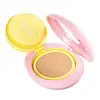
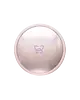
Azarine Covermatte Sunscreen Cushion SPF 50+ Versus Mother Of Pearl Microblur Translucent Loose Powder
This hybrid sunscreen covers the full UV range and blocks ~98% of UVB at SPF 50.

What's inside
What's inside
 Key Ingredients
Benefits
Concerns
Ingredients Side-by-side
Water
Skin ConditioningIsododecane
EmollientTitanium Dioxide
Cosmetic Colorant

Diisostearyl Malate
EmollientEthylhexyl Methoxycinnamate
UV Absorber
Niacinamide
Smoothing











Silica
Abrasive
Butylene Glycol
Humectant
Polymethylsilsesquioxane/Trimethylsiloxysilicate
Aluminum Starch Octenylsuccinate
Absorbent
Talc
Abrasive
Glycerin
Humectant
Diethylamino Hydroxybenzoyl Hexyl Benzoate
UV Filter
Triethylhexanoin
MaskingCetyl PEG/PPG-10/1 Dimethicone
Emulsifying
Polyhydroxystearic Acid
Emulsifying

Divinyldimethicone/Dimethicone/Silsesquioxane Crosspolymer
Chlorphenesin
Antimicrobial
Polyglyceryl-10 Dioleate
Emulsifying
Aluminum Hydroxide
EmollientNeopentyl Glycol Diethylhexanoate
Emollient
Hexadecene
SolventTriethoxycaprylylsilane
Propylene Carbonate
SolventHydrogen Dimethicone
Isopropyl Titanium Triisostearate
Emollient
Enantia Chlorantha Bark Extract
Skin ConditioningBHT
Antioxidant
Oleanolic Acid
Skin ConditioningWater, Isododecane, Titanium Dioxide, Diisostearyl Malate, Ethylhexyl Methoxycinnamate, Niacinamide, Silica, Butylene Glycol, Polymethylsilsesquioxane/Trimethylsiloxysilicate, Aluminum Starch Octenylsuccinate, Talc, Glycerin, Diethylamino Hydroxybenzoyl Hexyl Benzoate, Triethylhexanoin, Cetyl PEG/PPG-10/1 Dimethicone, Polyhydroxystearic Acid, Divinyldimethicone/Dimethicone/Silsesquioxane Crosspolymer, Chlorphenesin, Polyglyceryl-10 Dioleate, Aluminum Hydroxide, Neopentyl Glycol Diethylhexanoate, Hexadecene, Triethoxycaprylylsilane, Propylene Carbonate, Hydrogen Dimethicone, Isopropyl Titanium Triisostearate, Enantia Chlorantha Bark Extract, BHT, Oleanolic Acid
Talc
Abrasive
Nylon-12
Polymethylsilsesquioxane
Magnesium Myristate


Silica
Abrasive
Boron Nitride
Absorbent
Phenyl Trimethicone
Skin Conditioning
Dimethicone
Emollient
Caprylyl Glycol
Emollient
Ethylhexylglycerin
Skin ConditioningTriethoxycaprylylsilane
CI 77492
Cosmetic ColorantCI 77491
Cosmetic ColorantCI 77499
Cosmetic ColorantTocopherol
Antioxidant
Niacinamide
Smoothing
Water
Skin ConditioningButylene Glycol
Humectant
1,2-Hexanediol
Skin Conditioning
Copper Tripeptide-1
Skin Conditioning
Acetyl Hexapeptide-8
Humectant
Talc, Nylon-12, Polymethylsilsesquioxane, Magnesium Myristate, Silica, Boron Nitride, Phenyl Trimethicone, Dimethicone, Caprylyl Glycol, Ethylhexylglycerin, Triethoxycaprylylsilane, CI 77492, CI 77491, CI 77499, Tocopherol, Niacinamide, Water, Butylene Glycol, 1,2-Hexanediol, Copper Tripeptide-1, Acetyl Hexapeptide-8
Ingredients Explained
These ingredients are found in both products.
Ingredients higher up in an ingredient list are typically present in a larger amount.
Butylene Glycol (or BG) is used within cosmetic products for a few different reasons:
Overall, Butylene Glycol is a safe and well-rounded ingredient that works well with other ingredients.
Though this ingredient works well with most skin types, some people with sensitive skin may experience a reaction such as allergic rashes, closed comedones, or itchiness.
Learn more about Butylene GlycolNiacinamide is a multitasking form of vitamin B3 that strengthens the skin barrier, reduces pores and dark spots, regulates oil, and improves signs of aging.
And the best part? It's gentle and well-tolerated by most skin types, including sensitive and reactive skin.
You might have heard of "niacin flush", or the reddening of skin that causes itchiness. Niacinamide has not been found to cause this.
In very rare cases, some individuals may not be able to tolerate niacinamide at all or experience an allergic reaction to it.
If you are experiencing flaking, irritation, and dryness with this ingredient, be sure to double check all your products as this ingredient can be found in all categories of skincare.
When incorporating niacinamide into your routine, look out for concentration amounts. Typically, 5% niacinamide provides benefits such as fading dark spots. However, if you have sensitive skin, it is better to begin with a smaller concentration.
When you apply niacinamide to your skin, your body converts it into nicotinamide adenine dinucleotide (NAD). NAD is an essential coenzyme that is already found in your cells as "fuel" and powers countless biological processes.
In your skin, NAD helps repair cell damage, produce new healthy cells, support collagen production, strengthen the skin barrier, and fight environmental stressors (like UV and pollution).
Our natural NAD levels start to decline with age, leading to slower skin repair, visible aging, and a weaker skin barrier. By providing your skin niacinamide, you're recharging your skin's NAD levels. This leads to stronger, healthier, and younger looking skin.
Another name for vitamin B3 is nicotinamide. This vitamin is water-soluble and our bodies don't store it. We obtain Vitamin B3 from either food or skincare. Meat, fish, wheat, yeast, and leafy greens contain vitamin B3.
The type of niacinamide used in skincare is synthetically created.
Learn more about NiacinamideSilica, also known as silicon dioxide, is a naturally occurring mineral. It is used as a fine, spherical, and porous powder in cosmetics.
Though it has exfoliant properties, the function of silica varies depending on the product.
The unique structure of silica enhances the spreadability and adds smoothness, making it a great texture enhancer.
It is also used as an active carrier, emulsifier, and mattifier due to its ability to absorb excess oil.
In some products, tiny microneedles called spicules are made from silica or hydrolyzed sponge. When you rub them in, they lightly polish away dead skin layers and enhance the penetration of active ingredients.
Learn more about SilicaTalc is a clay mineral. It helps absorb moisture and improve the texture of products. Like other types of clay, Talc can have a slight exfoliating effect on skin. Talc can be added to increase the volume of products.
Some Baby powders are made by combining talc with corn starch. The word "talc" comes from Latin and originates from Arabic. Talc is a mineral commonly found throughout the world.
If you have any concerns about using talc, we recommend checking out the FDA's official page.
Learn more about TalcTriethoxycaprylylsilane is a silicon-based surface modifier that makes sunscreens feel silky and makeup stay put.
Its main job is to coat mineral particles like titanium dioxide, zinc oxide, and color pigments in a thin, oily layer so they spread smoothly, don't clump, and stick to skin better.
This ingredient is typically used at low levels (up to 2.5% in eyeshadow and 1% in lipstick).
Learn more about TriethoxycaprylylsilaneWater. It's the most common cosmetic ingredient of all. You'll usually see it at the top of ingredient lists, meaning that it makes up the largest part of the product.
So why is it so popular? Water most often acts as a solvent - this means that it helps dissolve other ingredients into the formulation.
You'll also recognize water as that liquid we all need to stay alive. If you see this, drink a glass of water. Remember to stay hydrated!
Learn more about Water

