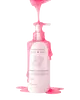
This mild gel cleanser is made to cleanse while respecting your skin barrier.
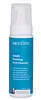
This mild foaming cleanser is made to cleanse while calming and soothing your skin.


What's inside
What's inside
 Key Ingredients
Benefits
Concerns
No concerns
Ingredients Side-by-side
Water
Skin ConditioningPEG-6 Caprylic/Capric Glycerides
EmulsifyingSqualane
Emollient


Betaine
Humectant
Propanediol
Solvent
Trehalose
Humectant
Polyacrylate Crosspolymer-6
Emulsion StabilisingCaprylhydroxamic Acid
1,2-Hexanediol
Skin Conditioning
Triethyl Citrate
Masking

Ectoin
Skin Conditioning


Poloxamer 188
EmulsifyingHydroxypropyl Cyclodextrin
MaskingTetrasodium Glutamate Diacetate
Panthenol
Skin Conditioning
Allantoin
Skin Conditioning
Citric Acid
Buffering


Raphanus Sativus Sprout Extract
Antioxidant
Water, PEG-6 Caprylic/Capric Glycerides, Squalane, Betaine, Propanediol, Trehalose, Polyacrylate Crosspolymer-6, Caprylhydroxamic Acid, 1,2-Hexanediol, Triethyl Citrate, Ectoin, Poloxamer 188, Hydroxypropyl Cyclodextrin, Tetrasodium Glutamate Diacetate, Panthenol, Allantoin, Citric Acid, Raphanus Sativus Sprout Extract
Water
Skin ConditioningPropanediol
Solvent
Sodium Lauroamphoacetate
CleansingSodium Cocoyl Glutamate
Cleansing
Betaine
Humectant
Coco-Glucoside
Cleansing
Glyceryl Oleate
Emollient
Aloe Barbadensis Leaf Juice
Skin Conditioning
Caprylhydroxamic Acid
Caprylyl Glycol
Emollient
Glycerin
Humectant
Niacinamide
Smoothing





Carica Papaya Fruit Extract
Skin ConditioningCalendula Officinalis Flower Extract
Masking
Parfum
Masking

Myristic Acid
Cleansing
Oleic Acid
Emollient
Citric Acid
Buffering
Water, Propanediol, Sodium Lauroamphoacetate, Sodium Cocoyl Glutamate, Betaine, Coco-Glucoside, Glyceryl Oleate, Aloe Barbadensis Leaf Juice, Caprylhydroxamic Acid, Caprylyl Glycol, Glycerin, Niacinamide, Carica Papaya Fruit Extract, Calendula Officinalis Flower Extract, Parfum, Myristic Acid, Oleic Acid, Citric Acid
Reviews
Ingredients Explained
These ingredients are found in both products.
Ingredients higher up in an ingredient list are typically present in a larger amount.
Betaine is a humectant. Like hyaluronic acid, it helps attract and retain moisture in the skin. It’s known for being gentle and for helping the skin maintain balanced hydration.
Betaine is mainly used to improve hydration and support calmer skin. It helps skin cells regulate water balance because it functions as an osmolyte.
Some studies suggest betaine may support making skin tone more even.
Fun fact: Betaine naturally exists in the skin and the body. In cosmetic products, it can be either plant-derived (most commonly from sugar beets) or synthetically produced for consistency and stability.
Betaine is also known as trimethylglycine.
Learn more about BetaineCaprylhydroxamic Acid is a chelating agent that helps cosmetics stay fresh, stable, and consistent over time.
Chelating agents help prevent metal ions from binding to other ingredients. This helps prevent unwanted reactions and effects from using the product. It also helps prevent the growth of unwanted microbes in products that contain water.
Caprylhydroxamic Acid is often used with natural antimicrobial products as an alternative to preservatives.
Learn more about Caprylhydroxamic AcidCitric Acid is an alpha hydroxy acid (AHA) naturally found in citrus fruits like oranges, lemons, and limes.
Like other AHAs, citric acid can exfoliate skin by breaking down the bonds that hold dead skin cells together. This helps reveal smoother and brighter skin underneath.
However, this exfoliating effect only happens at high concentrations (20%) which can be hard to find in cosmetic products.
Due to this, citric acid is usually included in small amounts as a pH adjuster. This helps keep products slightly more acidic and compatible with skin's natural pH.
In skincare formulas, citric acid can:
While it can provide some skin benefits, research shows lactic acid and glycolic acid are generally more effective and less irritating exfoliants.
Most citric acid used in skincare today is made by fermenting sugars (usually from molasses). This synthetic version is identical to the natural citrus form but easier to stabilize and use in formulations.
Rosacea skin has a lower threshold for acids generally, with 62.5% of rosacea subjects in one study reacting to lactic acid in a sting test. This is why we mark citric acid as a potential rosacea trigger.
However, this ingredient shows up as a pH adjuster or chelator at roughly 0.1-1% in many products. These low levels are unlikely to be an issue for rosacea skin and becomes a potential trigger at exfoliating concentrations (20%). Because everybody's skin is unique, we recommend a patch test if you are unsure.
Learn more about Citric AcidPropanediol is an all-star ingredient. It softens, hydrates, and smooths the skin.
It’s often used to:
Propanediol is not likely to cause sensitivity and considered safe to use. It is derived from corn or petroleum with a clear color and no scent.
Learn more about PropanediolWater. It's the most common cosmetic ingredient of all. You'll usually see it at the top of ingredient lists, meaning that it makes up the largest part of the product.
So why is it so popular? Water most often acts as a solvent - this means that it helps dissolve other ingredients into the formulation.
You'll also recognize water as that liquid we all need to stay alive. If you see this, drink a glass of water. Remember to stay hydrated!
Learn more about Water

