

What's inside
What's inside
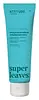 Key Ingredients
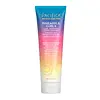
No key ingredients
Benefits
Concerns
Ingredients Side-by-side
Water
Skin ConditioningCetearyl Alcohol
Emollient






Glycerin
Humectant


Caprylic/Capric Triglyceride
Masking
Behentrimonium Methosulfate
SurfactantZea Mays Starch
Absorbent
Glycine Soja Oil
Emollient


Dicaprylyl Ether
Emollient
Sodium Benzoate
Masking
Potassium Sorbate
Preservative
Citric Acid
Buffering

Nasturtium Officinale Extract
Perfuming
Tropaeolum Majus Extract
AntimicrobialSodium Hydroxide
BufferingVaccinium Myrtillus Leaf Extract
AstringentWater, Cetearyl Alcohol, Glycerin, Caprylic/Capric Triglyceride, Behentrimonium Methosulfate, Zea Mays Starch, Glycine Soja Oil, Dicaprylyl Ether, Sodium Benzoate, Potassium Sorbate, Citric Acid, Nasturtium Officinale Extract, Tropaeolum Majus Extract, Sodium Hydroxide, Vaccinium Myrtillus Leaf Extract
Water
Skin ConditioningCetrimonium Chloride
Antimicrobial
Cetyl Alcohol
Emollient
Sorbitol
Humectant
Caprylic/Capric Triglyceride
Masking
Ananas Sativus Fruit Extract
Skin ConditioningHelianthus Annuus Seed Oil
Emollient
Behentrimonium Methosulfate
SurfactantCetearyl Alcohol
Emollient
Panthenol
Skin Conditioning
Tocopherol
Antioxidant


Chamomilla Recutita Flower
Skin Conditioning
Rubus Idaeus Fruit Extract
AstringentStearamidopropyl Dimethylamine
EmulsifyingEmulsifying Wax Nf
Simmondsia Chinensis Seed Oil
Emollient
Lecithin
Emollient
Hyaluronic Acid
Humectant
Hydrolyzed Soy Protein
Humectant
Potassium Sorbate
Preservative
Sodium Benzoate
Masking
Ethylhexylglycerin
Skin ConditioningParfum
Masking

Water, Cetrimonium Chloride, Cetyl Alcohol, Sorbitol, Caprylic/Capric Triglyceride, Ananas Sativus Fruit Extract, Helianthus Annuus Seed Oil, Behentrimonium Methosulfate, Cetearyl Alcohol, Panthenol, Tocopherol, Chamomilla Recutita Flower, Rubus Idaeus Fruit Extract, Stearamidopropyl Dimethylamine, Emulsifying Wax Nf, Simmondsia Chinensis Seed Oil, Lecithin, Hyaluronic Acid, Hydrolyzed Soy Protein, Potassium Sorbate, Sodium Benzoate, Ethylhexylglycerin, Parfum
Reviews
Ingredients Explained
These ingredients are found in both products.
Ingredients higher up in an ingredient list are typically present in a larger amount.
Behentrimonium Methosulfate is a gentle, positively-charged conditioning agent made from rapeseed oil.
It's the opposite of a harsh cleansing sulfate despite having "sulfate" in its name; its a detangler/softener in haircare and helps keep oil/water blended into a creamy texture as an emulsifier.
Concentration-wise, safety review reports the wider trimonium family shows up between 0.0005% to 10% in rinse-off products and 0.001% to 4% in leave-on products.
This ingredient is commonly used at ~1–5% when acting as the emulsifier.
Allergies to this ingredient are rare; the CIR panel noted the literature lacks clinical reports of irritation or sensitization and patch tests on finished products containing it came back clean.
Learn more about Behentrimonium MethosulfateCaprylic/Capric Triglyceride (aka MCT Oil) is a lightweight emollient, solvent, and texture enhancer. It is considered a skin-softener by helping to prevent moisture loss.
Though it behaves like an oil, it is not technically one due to its chemical composition. One perk of this ingredient is that it is very stable, resistant to oxidation, and unlikely to go rancid.
In practice, that translates to a long shelf life and a consistently elegant skin feel.
While there is an assumption Caprylic Triglyceride can clog pores due to it being derived from coconut oil, there is no research supporting this. Just patch test if you have concerns.
Fractionated coconut oil and MCT Oil are both listed as Caprylic/Capric Triglyceride according to INCI. This is because INCI names are based on the ingredient’s final chemical composition and not its marketing name or source.
This ingredient is treated as the gold standard fungal acne safe oil. Even though it is coconut derived, the problematic lauric acid is stripped out.
This leaves just caprylic (C8) and capric (C10) acid. These chain lengths actually trend antifungal; a 2020 study found caprylic acid was enough to disrupt Malassezia furfur cell membrane, with a caprylic acid derivative damaging membrane structures at concentrations as low as 0.2%.
Learn more about Caprylic/Capric TriglycerideCetearyl alcohol is a waxy mixture of two fatty alcohols: cetyl alcohol and stearyl alcohol. It is an emollient and emulsifier.
Despite having "alcohol" in its name, it has nothing to do with drying solvent alcohols; the FDA also allows "alcohol-free" products to contain fatty alcohols like this ingredient.
It plays several roles in a formula:
Typical use levels for this ingredient sit around 1-10% and the Cosmetic Ingredient Review Expert Panel has affirmed safety at concentrations up to 25% in leave-on products.
Multiple assessments have found it to be non-irritating and non-sensitizing to most people.
However, there have been some cases of allergic contact dermatitis in patients with chronically compromised skin barriers.
Cetearyl alcohol has a comedogenic rating of 2 and irritancy rating of 1. Both of these numbers come from the 1989 study that used rabbit ears; a "2" means mildly comedogenic and a "1" means low irritancy.
Here's the catch: rabbit skin is more sensitive than human skin and throws a lot of false positives. A 1996 reappraisal found that ingredients rated 1-2 in the rabbit ear tests are generally safe for humans.
Remember comedogenic ratings are unable to assess the entire formula of a product or how it will react on your skin. Just be sure to patch test if you are unsure about certain ingredients.
This ingredient is not fungal acne safe. Cetearyl alcohol is a fatty alcohol with chain lengths that fall within the range that Malassezia can metabolize.
A 2019 study has also observed Malassezia growth in the presence of this ingredient, confirming it to be not-fungal acne safe.
Learn more about Cetearyl AlcoholPotassium Sorbate is a preservative used to prevent yeast and mold in products. It is commonly found in both cosmetic and food products.
This ingredient comes from potassium salt derived from sorbic acid. Sorbic acid is a natural antibiotic and effective against fungus.
Both potassium sorbate and sorbic acid can be found in baked goods, cheeses, dried meats, dried fruit, ice cream, pickles, wine, yogurt, and more.
You'll often find this ingredient used with other preservatives.
Learn more about Potassium SorbateSodium Benzoate is a preservative. It's used in both cosmetic and food products to inhibit the growth of mold and bacteria. It is typically produced synthetically.
Both the US FDA and EU Health Committee have approved the use of sodium benzoate. In the US, levels of 0.1% (of the total product) are allowed.
Sodium benzoate works as a preservative by inhibiting the growth of bacteria inside of cells. It prevents the cell from fermenting a type of sugar using an enzyme called phosphofructokinase.
It is the salt of benzoic acid. Foods containing sodium benzoate include soda, salad dressings, condiments, fruit juices, wines, and snack foods.
Studies for using ascorbic acid and sodium benzoate in cosmetics are lacking, especially in skincare routines with multiple steps.
We always recommend speaking with a professional, such as a dermatologist, if you have any concerns.
Learn more about Sodium BenzoateWater. It's the most common cosmetic ingredient of all. You'll usually see it at the top of ingredient lists, meaning that it makes up the largest part of the product.
So why is it so popular? Water most often acts as a solvent - this means that it helps dissolve other ingredients into the formulation.
You'll also recognize water as that liquid we all need to stay alive. If you see this, drink a glass of water. Remember to stay hydrated!
Learn more about Water

