
What's inside
What's inside
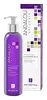 Key Ingredients
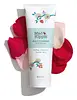
Benefits
Ingredients Side-by-side
Aloe Barbadensis Leaf Juice
Skin Conditioning


Helianthus Annuus Flower
Skin ConditioningGlycerin
Humectant

Caprylic/Capric Triglyceride
Masking
Prunus Armeniaca Kernel Oil
Masking

Prunus Amygdalus Dulcis Protein
Skin ConditioningGlyceryl Laurate
Emollient
Glyceryl Stearate
Emollient
Cetyl Alcohol
Emollient
Prunus Amygdalus Dulcis Oil
Skin Conditioning
Resveratrol
Antioxidant


Ubiquinone
Antioxidant
Vitis Vinifera Seed
Skin ConditioningAllantoin
Skin Conditioning
Tocopherol
Antioxidant

Mangifera Indica Seed Oil
Emollient
Hibiscus Sabdariffa Callus Extract
Antioxidant
Borago Officinalis Seed Oil
Emollient
Phenethyl Alcohol
MaskingEthylhexylglycerin
Skin ConditioningAloe Barbadensis Leaf Juice, Helianthus Annuus Flower, Glycerin, Caprylic/Capric Triglyceride, Prunus Armeniaca Kernel Oil, Prunus Amygdalus Dulcis Protein, Glyceryl Laurate, Glyceryl Stearate, Cetyl Alcohol, Prunus Amygdalus Dulcis Oil, Resveratrol, Ubiquinone, Vitis Vinifera Seed, Allantoin, Tocopherol, Mangifera Indica Seed Oil, Hibiscus Sabdariffa Callus Extract, Borago Officinalis Seed Oil, Phenethyl Alcohol, Ethylhexylglycerin
Caprylic/Capric Triglyceride
Masking
Glycerin
Humectant
Water
Skin ConditioningSucrose Laurate
Emollient
Sucrose Stearate
EmollientDecyl Glucoside
Cleansing
Squalane
Emollient
Phenethyl Alcohol
MaskingCaprylyl Glycol
Emollient
Ethylhexylglycerin
Skin ConditioningSodium Hyaluronate
Humectant
Sodium PCA
Humectant
Tocopherol
Antioxidant
Rosa Centifolia Flower Extract
Astringent
Resveratrol
Antioxidant
Terminalia Ferdinandiana Fruit Extract
Antioxidant
Euterpe Oleracea Fruit Extract
Chamomilla Recutita Flower Extract
Masking
Camellia Sinensis Leaf Extract
Antimicrobial

Hippophae Rhamnoides Fruit Extract
Skin Conditioning
Citrus Aurantifolia Peel
Skin ConditioningCaprylic/Capric Triglyceride, Glycerin, Water, Sucrose Laurate, Sucrose Stearate, Decyl Glucoside, Squalane, Phenethyl Alcohol, Caprylyl Glycol, Ethylhexylglycerin, Sodium Hyaluronate, Sodium PCA, Tocopherol, Rosa Centifolia Flower Extract, Resveratrol, Terminalia Ferdinandiana Fruit Extract, Euterpe Oleracea Fruit Extract, Chamomilla Recutita Flower Extract, Camellia Sinensis Leaf Extract, Hippophae Rhamnoides Fruit Extract, Citrus Aurantifolia Peel
Reviews
Ingredients Explained
These ingredients are found in both products.
Ingredients higher up in an ingredient list are typically present in a larger amount.
Caprylic/Capric Triglyceride (aka MCT Oil) is a lightweight emollient, solvent, and texture enhancer. It is considered a skin-softener by helping to prevent moisture loss.
Though it behaves like an oil, it is not technically one due to its chemical composition. One perk of this ingredient is that it is very stable, resistant to oxidation, and unlikely to go rancid.
In practice, that translates to a long shelf life and a consistently elegant skin feel.
While there is an assumption Caprylic Triglyceride can clog pores due to it being derived from coconut oil, there is no research supporting this. Just patch test if you have concerns.
Fractionated coconut oil and MCT Oil are both listed as Caprylic/Capric Triglyceride according to INCI. This is because INCI names are based on the ingredient’s final chemical composition and not its marketing name or source.
This ingredient is treated as the gold standard fungal acne safe oil. Even though it is coconut derived, the problematic lauric acid is stripped out.
This leaves just caprylic (C8) and capric (C10) acid. These chain lengths actually trend antifungal; a 2020 study found caprylic acid was enough to disrupt Malassezia furfur cell membrane, with a caprylic acid derivative damaging membrane structures at concentrations as low as 0.2%.
Learn more about Caprylic/Capric TriglycerideEthylhexylglycerin is created from glycerin. It is a multitasker ingredient that:
The CIR Expert Panel found minimal skin absorption or sensitization of any kind in a safety assessment. Though this ingredient is considered well-tolerated, a small number of cases of allergic dermatitis have been published since 2002. Just be sure to patch test if you are unsure.
Industry-reported use ranges from 8% in rinse-off products and 2% in leave-on formulations.
Learn more about EthylhexylglycerinGlycerin (or glycerol) is a compound naturally found in your skin. It's a powerhouse humectant that pulls water into the stratum corneum.
Topically, glycerin does several things at once:
Your skin makes glycerin on its own (mostly from sebaceous oil breakdown) and shuttles it to your outermost layer of skin, or your epidermis, via aquaporin-3.
Aquaporin-3 is a transporter that is essential for normal skin hydration, elasticity, and repair. Interestingly, mice lacking in AQP3 have dry and less elastic skin that can be fully corrected with glycerin.
This ingredient is non-irritating, plays well with almost every ingredient, and works across all skin types. Typical use is anywhere between 3-10% but can go up to 79% in some leave-on products.
Just know very high concentrations (>40%) can feel tacky in low humidity.
Glycerin is the name for this ingredient in American English. British English uses Glycerol/Glycerine.
Learn more about GlycerinPhenethyl Alcohol is a colorless and aromatic alohol. It is naturally occuring in essential oils.
The scent of this ingredient is floral and often compared to rose.
Like other alcohols, this ingredient helps prevent the growth of bacteria. However, its main purpose is to impact a fragrance.
Learn more about Phenethyl AlcoholResveratrol is a well-studied polyphenol antioxidant that has gained attention in skincare for its protective and calming effects on the skin. It’s often considered a gentler option for people who can’t tolerate retinoids.
This antioxidant is best known for its anti-aging benefits. Research suggests resveratrol helps combat visible signs of aging by:
Beyond anti-aging, resveratrol is also valued for its skin-brightening and soothing properties.
Some forms of resveratrol appear to be more effective than others. Resveratrol isobutyrate and resveratrol butyrate are often cited as more stable derivatives.
Research also suggests these two forms have stronger effects on Type I collagen stimulation and inflammation reduction compared to basic resveratrol.
Resveratrol is naturally unstable and can degrade when exposed to light and oxygen. Well-designed products often use stabilized derivatives, airless or opaque packaging, and supporting antioxidants to help maintain effectiveness on skin.
A note on resveratrol as a retinoid alternative:
While resveratrol offers antioxidant protection, inflammation control, and some collagen-supporting benefits, it does not replace retinoids in terms of cell turnover or acne treatment.
However, it can be a useful option for people with retinoid sensitivity or intolerance, or for those looking to support skin health without irritation.
Fun fact: Resveratrol is naturally found in grapes, peanuts, and berries, which is why it’s frequently associated with wine and grape-derived skincare ingredients.
Learn more about ResveratrolTocopherol is a fat-soluble antioxidant known as Vitamin E.
You'll find this ingredient in the vast majority of skincare (for good reason). It works to neutralize free radicals, or unstable molecules generated by UV exposure, pollution, and other environmental stressors, before they can cause oxidative damage to your skin cells.
Topically applied tocopherol has been shown to protect against UV damage by ramping up the skin's own natural defense enzymes.
It also acts as a skin conditioning agent; some studies show that regular topical use can improve the skin's water-binding capacity over 2-4 weeks.
This ingredient is especially loved for being a team player. When combined with Vitamin C, the photoprotective effect of both ingredients roughly doubles and the combo also helps reduce UV-induced DNA damage.
This ingredient has some brightening potential but it's more of a prevention ingredient than spot-fader. Cell studies show it can slow down melanin production but it's worth noting that it's not the most powerful brightener out there.
In formulations, it also serves as a stabilizer that helps protect other oxidation-prone ingredients from degrading.
Concentrations usually range from 0.1-1% in most leave-on products.
Learn more about Tocopherol
