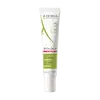
This calming moisturizer is formulated around Aloe Barbadensis Leaf Juice Powder to calm redness.
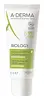
This moisturizer is formulated around Aloe Barbadensis Leaf Juice Powder to hydrate skin.

What's inside
What's inside
 Key Ingredients
Benefits
Concerns
Ingredients Side-by-side
Water
Skin ConditioningGlycerin
Humectant


Dicaprylyl Carbonate
EmollientPentylene Glycol
Skin Conditioning
C14-22 Alcohols
Emulsion Stabilising
Helianthus Annuus Seed Oil
Emollient


Behenyl Alcohol
Emollient
Citrus Aurantium Dulcis Fruit Water
MaskingSodium Stearoyl Glutamate
CleansingAloe Barbadensis Leaf Juice Powder
Skin Conditioning

Avena Sativa Flower/Leaf/Stem Juice
Skin ConditioningC12-20 Alkyl Glucoside
EmulsifyingCitric Acid
Buffering

Cola Nitida Seed Extract
Skin ConditioningGlyceryl Caprylate
EmollientSclerotium Gum
Emulsion StabilisingSodium Benzoate
Masking
Taraxacum Officinale Rhizome/Root Extract
Skin ConditioningTocopherol
Antioxidant



Xanthan Gum
EmulsifyingWater, Glycerin, Dicaprylyl Carbonate, Pentylene Glycol, C14-22 Alcohols, Helianthus Annuus Seed Oil, Behenyl Alcohol, Citrus Aurantium Dulcis Fruit Water, Sodium Stearoyl Glutamate, Aloe Barbadensis Leaf Juice Powder, Avena Sativa Flower/Leaf/Stem Juice, C12-20 Alkyl Glucoside, Citric Acid, Cola Nitida Seed Extract, Glyceryl Caprylate, Sclerotium Gum, Sodium Benzoate, Taraxacum Officinale Rhizome/Root Extract, Tocopherol, Xanthan Gum
Water
Skin ConditioningDicaprylyl Carbonate
EmollientGlycerin
Humectant
Pentylene Glycol
Skin Conditioning
C14-22 Alcohols
Emulsion Stabilising
Behenyl Alcohol
Emollient
Helianthus Annuus Seed Oil
Emollient
Citrus Aurantium Dulcis Fruit Water
MaskingHydrogenated Vegetable Oil
Emollient

Sodium Stearoyl Glutamate
CleansingAloe Barbadensis Leaf Juice Powder
Skin Conditioning
Avena Sativa Flower/Leaf/Stem Juice
Skin ConditioningC12-20 Alkyl Glucoside
EmulsifyingCitric Acid
Buffering
Glyceryl Caprylate
EmollientSclerotium Gum
Emulsion StabilisingSodium Benzoate
Masking
Taraxacum Officinale Rhizome/Root Extract
Skin ConditioningTocopherol
Antioxidant
Xanthan Gum
EmulsifyingWater, Dicaprylyl Carbonate, Glycerin, Pentylene Glycol, C14-22 Alcohols, Behenyl Alcohol, Helianthus Annuus Seed Oil, Citrus Aurantium Dulcis Fruit Water, Hydrogenated Vegetable Oil, Sodium Stearoyl Glutamate, Aloe Barbadensis Leaf Juice Powder, Avena Sativa Flower/Leaf/Stem Juice, C12-20 Alkyl Glucoside, Citric Acid, Glyceryl Caprylate, Sclerotium Gum, Sodium Benzoate, Taraxacum Officinale Rhizome/Root Extract, Tocopherol, Xanthan Gum
Reviews
Ingredients Explained
These ingredients are found in both products.
Ingredients higher up in an ingredient list are typically present in a larger amount.
Aloe Barbadensis Leaf Juice Powder comes from the aloe plant.
You may know Aloe to be a good sunburn reliever and inflammation reducer. This is because it contains many components that are known to help reduce irritation and itchiness.
Aloe leaves are also great moisturizers. They are naturally rich in polysaccharides, a carbohydrate made of sugars. Polysaccharides are able to mimic the carbs found in the top layer of your skin. This can help keep your skin hydrated.
Aloe contains the antioxidants Vitamins A, C, and E. These vitamins neutralize free radicals. Free-radicals are molecules that may damage your skin cells, such as pollution.
Aloe does not protect against UV rays, despite it soothing sunburns.
Learn more about Aloe Barbadensis Leaf Juice PowderWe don't have a description for Avena Sativa Flower/Leaf/Stem Juice yet.
Behenyl Alcohol is a type of fatty alcohol (these are different from the drying, solvent alcohols).
Fatty Alcohols have hydrating properties and are most often used as an emollient or to thicken a product. They are usually derived from natural fats and oils; behenyl alcohol is derived from the fats of vegetable oils.
Emollients help keep your skin soft and hydrated by creating a film that traps moisture in.
In 2000, Behenyl Alcohol was approved by the US as medicine to reduce the duration of cold sores.
Learn more about Behenyl AlcoholWe don't have a description for C12-20 Alkyl Glucoside yet.
This ingredient is a blend of long-chain fatty alcohols (myristyl, cetyl, stearyl, arachidyl, and behenyl). It is an emulsion stabilizer with emollient properties.
Don't let the word "alcohol" scare you: fatty alcohols are nothing like the drying solvents. This ingredient actually helps soften and smooth the skin.
By the way, the FDA allows products to be labeled "alcohol-free" even when they contain fatty alcohols like this one.
In a formula, it prevents the water and oil phases from separating over time while also contributing to a pleasant, non-greasy slip.
Interestingly, this ingredient can organize into the structures that mimic the skin's own lipid architecture to help support barrier function and reduce transepidermal water loss (TEWL).
The CIR Expert Panel has thoroughly assess the individual fatty alcohols that make up this blend and found no significant toxicity or dermal irritation.
Learn more about C14-22 AlcoholsCitric Acid is an alpha hydroxy acid (AHA) naturally found in citrus fruits like oranges, lemons, and limes.
Like other AHAs, citric acid can exfoliate skin by breaking down the bonds that hold dead skin cells together. This helps reveal smoother and brighter skin underneath.
However, this exfoliating effect only happens at high concentrations (20%) which can be hard to find in cosmetic products.
Due to this, citric acid is usually included in small amounts as a pH adjuster. This helps keep products slightly more acidic and compatible with skin's natural pH.
In skincare formulas, citric acid can:
While it can provide some skin benefits, research shows lactic acid and glycolic acid are generally more effective and less irritating exfoliants.
Most citric acid used in skincare today is made by fermenting sugars (usually from molasses). This synthetic version is identical to the natural citrus form but easier to stabilize and use in formulations.
Rosacea skin has a lower threshold for acids generally, with 62.5% of rosacea subjects in one study reacting to lactic acid in a sting test. This is why we mark citric acid as a potential rosacea trigger.
However, this ingredient shows up as a pH adjuster or chelator at roughly 0.1-1% in many products. These low levels are unlikely to be an issue for rosacea skin and becomes a potential trigger at exfoliating concentrations (20%). Because everybody's skin is unique, we recommend a patch test if you are unsure.
Learn more about Citric AcidWe don't have a description for Citrus Aurantium Dulcis Fruit Water yet.
Dicaprylyl Carbonate comes from carbonic acid and caprylyl alcohol, a fatty alcohol. It is an emollient and gives skin a velvet feel. The sources of Dicaprylyl Carbonate may be synthetic or from animals.
As an emollient, Dicaprylyl Carbonate creates a film on the skin. This film traps moisture in, keeping your skin soft and hydrated.
Glycerin (or glycerol) is a compound naturally found in your skin. It's a powerhouse humectant that pulls water into the stratum corneum.
Topically, glycerin does several things at once:
Your skin makes glycerin on its own (mostly from sebaceous oil breakdown) and shuttles it to your outermost layer of skin, or your epidermis, via aquaporin-3.
Aquaporin-3 is a transporter that is essential for normal skin hydration, elasticity, and repair. Interestingly, mice lacking in AQP3 have dry and less elastic skin that can be fully corrected with glycerin.
This ingredient is non-irritating, plays well with almost every ingredient, and works across all skin types. Typical use is anywhere between 3-10% but can go up to 79% in some leave-on products.
Just know very high concentrations (>40%) can feel tacky in low humidity.
Glycerin is the name for this ingredient in American English. British English uses Glycerol/Glycerine.
Learn more about GlycerinGlyceryl Caprylate comes from glycerin and caprylic acid. It is an emollient, co-emulsifier, and preservative booster.
Its short C8 fatty acid chain makes it behave differently from its longer-chain emollient cousins like Glyceryl Stearate. It feels more lightweight, fast-absorbing, and silky instead of rich and waxy.
As a co-emulsifier, its "head" and "tail" sit at the oil-water interface. But overall, the short C8 tail and not being water soluble means it doesn't really have the muscle to emulsify a formula on its own. That's why you'll often see it paired with a primary emulsifier like Cetearyl Glucoside.
Interestingly, Glyceryl Caprylate acts as a preservative booster. This is because its fatty-acid backbone disrupts microbial lipid membranes. It shows excellent activity against bacteria and yeast but is weaker against mold.
Typical concentrations range from 0.5-1% and this ingredient is generally non-irritating.
Because this ingredient has a C8 fatty acid chain, it is outside the range that the Malassezia yeast metabolizes (making it fungal acne safe).
Learn more about Glyceryl CaprylateHelianthus Annuus Seed Oil is a plant oil derived from the seeds of a sunflower.
It is rich in fatty acids, primarily linoleic acid and oleic acid. This gives it emollient and skin conditioning properties.
The reason this ingredient is so effective is because it forms a thin film on the skin that reduces transepidermal water loss (TEWL) while supplying linoleic acid to the stratum corneum to improve barrier strength.
The high linoleic acid content is particularly noteworthy for acne-prone skin.
Research suggests that acne-prone skin tends to be deficient in linoleic acid in sebum. Topical application may help replenish this to support a healthier follicular environment and less comedone-promoting sebum.
One randomized study found sunflower seed oil preserved skin barrier integrity in adult volunteers with and without atopic dermatitis (outperforming olive oil).
This ingredient is well-studied, gentle, and an effective emollient suitable for most skin types.
On fungal acne: This ingredient may not be Fungal acne (Malassezia folliculitis) safe. This is because it contains fatty acids with carbon chain lengths in the C11-C24 range.
Learn more about Helianthus Annuus Seed OilPentylene Glycol (1,2-pentanediol) is a multitasking little diol with three main roles in a formula:
Research on alkanediols (the family pentylene glycol belongs to) show they work by disrupting microbial cell membranes. This disruption helps the primary preservative system in a product work more effectively at lower doses.
On the safety side, the Cosmetic Ingredient Review Expert Panel has concluded this ingredient to be safe as used in current cosmetic practices + concentrations.
Typical use levels in a formula run about 1-5%.
Learn more about Pentylene GlycolSclerotium Gum is a natural sugar-based fiber made by fermenting a fungus called Sclerotium rolfsii. It's often used as the plant-friendly alternative for synthetic thickeners like carbomer.
In skincare, it works as a thickener, gel former, and stabilizer that keeps heavy ingredients suspended so a product does not separate.
It is non-ionic and forms a triple helix in solution. This is just a fancy way of saying it builds a smooth, cushiony, and non-sticky gel that feels silkier than many other gums.
Another perk of this ingredient is that it is very sturdy and holds up across a wide pH range (~2-11). It's also good at resisting heat and hydrolysis.
Since it holds water at the skin surface, it can provide some light hydration as well.
Typical use levels are around 0.25-2%; formulators usually use 0.2-0.5% to thicken lotions and up to 2% for a firmer gel base.
This ingredient has been found safe in cosmetics with no meaningful evidence of skin sensitization.
Learn more about Sclerotium GumSodium Benzoate is a preservative. It's used in both cosmetic and food products to inhibit the growth of mold and bacteria. It is typically produced synthetically.
Both the US FDA and EU Health Committee have approved the use of sodium benzoate. In the US, levels of 0.1% (of the total product) are allowed.
Sodium benzoate works as a preservative by inhibiting the growth of bacteria inside of cells. It prevents the cell from fermenting a type of sugar using an enzyme called phosphofructokinase.
It is the salt of benzoic acid. Foods containing sodium benzoate include soda, salad dressings, condiments, fruit juices, wines, and snack foods.
Studies for using ascorbic acid and sodium benzoate in cosmetics are lacking, especially in skincare routines with multiple steps.
We always recommend speaking with a professional, such as a dermatologist, if you have any concerns.
Learn more about Sodium BenzoateSodium Stearoyl Glutamate is an amino-acid based emulsifier. It is made by combining stearic acid with L-glutamic acid and neutralizing it to a sodium salt.
As an emulsifier, it works mainly as an oil-in-water one and helps keep the oil and water in your formulas blended. It also contributes to a smooth, non-greasy skin feel.
This ingredient is biodegradable and commonly available in natural/COSMOS-certified grades.
Learn more about Sodium Stearoyl GlutamateThis ingredient comes from the rhizome/root of the dandelion plant.
Studies show the leaf, stem, and roots of this plant are rich in antioxidants such as caffeic acid and polysaccharides, which act as humectants to help hydrate the skin.
Tocopherol is a fat-soluble antioxidant known as Vitamin E.
You'll find this ingredient in the vast majority of skincare (for good reason). It works to neutralize free radicals, or unstable molecules generated by UV exposure, pollution, and other environmental stressors, before they can cause oxidative damage to your skin cells.
Topically applied tocopherol has been shown to protect against UV damage by ramping up the skin's own natural defense enzymes.
It also acts as a skin conditioning agent; some studies show that regular topical use can improve the skin's water-binding capacity over 2-4 weeks.
This ingredient is especially loved for being a team player. When combined with Vitamin C, the photoprotective effect of both ingredients roughly doubles and the combo also helps reduce UV-induced DNA damage.
This ingredient has some brightening potential but it's more of a prevention ingredient than spot-fader. Cell studies show it can slow down melanin production but it's worth noting that it's not the most powerful brightener out there.
In formulations, it also serves as a stabilizer that helps protect other oxidation-prone ingredients from degrading.
Concentrations usually range from 0.1-1% in most leave-on products.
Learn more about TocopherolWater. It's the most common cosmetic ingredient of all. You'll usually see it at the top of ingredient lists, meaning that it makes up the largest part of the product.
So why is it so popular? Water most often acts as a solvent - this means that it helps dissolve other ingredients into the formulation.
You'll also recognize water as that liquid we all need to stay alive. If you see this, drink a glass of water. Remember to stay hydrated!
Learn more about WaterXanthan gum is used as a stabilizer and thickener within cosmetic products. It helps give products a sticky, thick feeling - preventing them from being too runny.
On the technical side of things, xanthan gum is a polysaccharide - a combination consisting of multiple sugar molecules bonded together.
Xanthan gum is a pretty common and great ingredient. It is a natural, non-toxic, non-irritating ingredient that is also commonly used in food products.
Learn more about Xanthan Gum

