
What's inside
What's inside
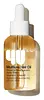 Key Ingredients
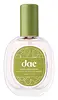
Benefits
Concerns
Ingredients Side-by-side
Squalane
Emollient


C13-15 Alkane
SolventBisabolol
Antioxidant



Euterpe Oleracea Fruit Oil
Skin Conditioning


Oryza Sativa Bran Extract
Skin Conditioning
Helianthus Annuus Extract
Emollient
Tocopherol
Antioxidant


Rosmarinus Officinalis Leaf Extract
AntimicrobialMoringa Oleifera Seed Oil
Emollient

Eclipta Prostrata Extract
Skin Conditioning
Melia Azadirachta Leaf Extract
Skin ConditioningParfum
Masking


Benzyl Salicylate
Perfuming
Hydroxycitronellal
Perfuming
Methyl Ionones
MaskingLinalool
Perfuming
Squalane, C13-15 Alkane, Bisabolol, Euterpe Oleracea Fruit Oil, Oryza Sativa Bran Extract, Helianthus Annuus Extract, Tocopherol, Rosmarinus Officinalis Leaf Extract, Moringa Oleifera Seed Oil, Eclipta Prostrata Extract, Melia Azadirachta Leaf Extract, Parfum, Benzyl Salicylate, Hydroxycitronellal, Methyl Ionones, Linalool
Cyclopentasiloxane
Emollient
Dimethicone
Emollient
Caprylyl Methicone
Skin Conditioning
C13-15 Alkane
SolventEthyl Macadamiate
Skin Conditioning
Opuntia Ficus-Indica Seed Oil
Emollient
Argania Spinosa Kernel Oil
Emollient
Parfum
Masking
Limnanthes Alba Seed Oil
Skin Conditioning
Plukenetia Volubilis Seed Oil
Emollient
Eclipta Prostrata Extract
Skin Conditioning
Melia Azadirachta Leaf Extract
Skin ConditioningMoringa Oleifera Seed Oil
Emollient
Tocopherol
Antioxidant
Cyclopentasiloxane, Dimethicone, Caprylyl Methicone, C13-15 Alkane, Ethyl Macadamiate, Opuntia Ficus-Indica Seed Oil, Argania Spinosa Kernel Oil, Parfum, Limnanthes Alba Seed Oil, Plukenetia Volubilis Seed Oil, Eclipta Prostrata Extract, Melia Azadirachta Leaf Extract, Moringa Oleifera Seed Oil, Tocopherol
Ingredients Explained
These ingredients are found in both products.
Ingredients higher up in an ingredient list are typically present in a larger amount.
C13-15 Alkane is a group of alkanes with 13 to 15 carbon atoms in the alkyl chain.
It is a solvent and texture enhancer. Solvents are used to keep ingredients together in a product. They can help dissolve ingredients to stable bases or help evenly distribute ingredients throughout the product.
This ingredient is also known as Bhringaraj extract or False Daisy. It is a skin conditioning ingredient that keeps skin soft and hydrated.
Research shows it has antioxidant properties; lab studies have found it can protect skin cells from UV-induced damage and help suppress inflammation.
There's also some interesting research on its potential to support hair growth by promoting the growth phase of the hair cycle.
Those with an allergy to plants in the daisy family may want to patch test this ingredient. This ingredient is generally well-tolerated otherwise.
Learn more about Eclipta Prostrata ExtractThis ingredient is also known as neem leaf extract. It contains natural compounds like nimbidin, quercetin, and other polyphenols that give it antibacterial, antifungal, and anti-inflammatory activity.
Lab studies have shown neem leaf extract can inhibit acne-related bacteria and help calm skin. Animal studies on wound gels using 1-3% neem leaf extract found it sped up healing without causing irritation.
A wound-healing study testing gels with the extract at 1%, 2%, and 3% concentrations and found none of them irritated the skin.
Most commercial products also use it in a similar low range (typically under 5%).
Allergy-wise, there are some case reports on neem oil causing allergic contact dermatitis so people with plant/botanical sensitivities may want to patch test first.
Learn more about Melia Azadirachta Leaf ExtractMoringa Oleifera Seed Oil is a lightweight oil from the seeds of the Moringa oleifera tree. In cosmetics, it's an emollient that forms a light film to slow water loss and soften skin.
Its fatty acid composition is dominated by oleic acid (70-78%), with smaller amounts of behenic, palmitic, and stearic acids (this profile is actually pretty similar to olive oil).
Notably, this ingredient is oxidatively stable for an oil and resists going rancid as fast as other oils.
A small, in vivo study on 32 participants found a cream with this ingredient increased skin hydration with no reported skin irritation. It also found the tocopherol content gave it some antioxidant activity as well.
Because this oil is so high in oleic acid, Malassezia can use it as a food source and this ingredient may not be fungal acne safe.
For everyone else, this ingredient is well-tolerated and nourishing with a good safety track record.
This ingredient shows up on a lot of "pore-clogging" lists but there's no real evidence behind that. It doesn't even have a comedogenic rating from an actual study; the numbers you'll find online come from blogs citing other blogs.
Ratings for other ingredients mostly come from a 1980s rabbit ear test. This test doesn't translate well to human skin or to real products because the ingredient sits at a much lower percentage.
Some people still find it breaks them out. So if that's you, definitely trust your skin.
Learn more about Moringa Oleifera Seed OilParfum is a catch-all term for an ingredient or more that is used to give a scent to products.
Also called "fragrance", this ingredient can be a blend of hundreds of chemicals or plant oils. This means every product with "fragrance" or "parfum" in the ingredients list is a different mixture.
For instance, Habanolide is a proprietary trade name for a specific aroma chemical. When used as a fragrance ingredient in cosmetics, most aroma chemicals fall under the broad labeling category of “FRAGRANCE” or “PARFUM” according to EU and US regulations.
The term 'parfum' or 'fragrance' is not regulated in many countries. In many cases, it is up to the brand to define this term.
For instance, many brands choose to label themselves as "fragrance-free" because they are not using synthetic fragrances. However, their products may still contain ingredients such as essential oils that are considered a fragrance by INCI standards.
One example is Calendula flower extract. Calendula is an essential oil that still imparts a scent or 'fragrance'.
Depending on the blend, the ingredients in the mixture can cause allergies and sensitivities on the skin. Some ingredients that are known EU allergens include linalool and citronellol.
Parfum can also be used to mask or cover an unpleasant scent.
The bottom line is: not all fragrances/parfum/ingredients are created equally. If you are worried about fragrances, we recommend taking a closer look at an ingredient. And of course, we always recommend speaking with a professional.
Learn more about ParfumTocopherol is a fat-soluble antioxidant known as Vitamin E.
You'll find this ingredient in the vast majority of skincare (for good reason). It works to neutralize free radicals, or unstable molecules generated by UV exposure, pollution, and other environmental stressors, before they can cause oxidative damage to your skin cells.
Topically applied tocopherol has been shown to protect against UV damage by ramping up the skin's own natural defense enzymes.
It also acts as a skin conditioning agent; some studies show that regular topical use can improve the skin's water-binding capacity over 2-4 weeks.
This ingredient is especially loved for being a team player. When combined with Vitamin C, the photoprotective effect of both ingredients roughly doubles and the combo also helps reduce UV-induced DNA damage.
This ingredient has some brightening potential but it's more of a prevention ingredient than spot-fader. Cell studies show it can slow down melanin production but it's worth noting that it's not the most powerful brightener out there.
In formulations, it also serves as a stabilizer that helps protect other oxidation-prone ingredients from degrading.
Concentrations usually range from 0.1-1% in most leave-on products.
Learn more about Tocopherol

