This calming eye moisturizer is formulated around Caffeine and Camellia Sinensis Leaf Extract to calm redness and hydrate skin.
This calming eye moisturizer is formulated around Aloe Barbadensis Leaf Juice and Caffeine to calm redness and hydrate skin.

What's inside
What's inside
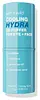 Key Ingredients
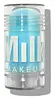
No key ingredients
Benefits
Concerns
Ingredients Side-by-side
Water
Skin ConditioningDipropylene Glycol
HumectantSodium Stearate
CleansingSilica
Abrasive


PEG-40 Hydrogenated Castor Oil
Emulsifying


Phenoxyethanol
Preservative
Ethylene Brassylate
MaskingEthylhexylglycerin
Skin ConditioningAllantoin
Skin Conditioning




Benzotriazolyl Dodecyl P-Cresol
UV AbsorberCaffeine
Skin Conditioning
Disodium EDTA
ChelatingMenthone Glycerin Acetal
Refreshing
Tocopheryl Acetate
Antioxidant


Triethoxycaprylylsilane

Butylene Glycol
Humectant
Camellia Sinensis Leaf Extract
Antimicrobial
Hydrolyzed Hyaluronic Acid
Humectant
Caprylyl Glycol
Emollient
Hexylene Glycol
EmulsifyingCI 42090
Cosmetic ColorantWater, Dipropylene Glycol, Sodium Stearate, Silica, PEG-40 Hydrogenated Castor Oil, Phenoxyethanol, Ethylene Brassylate, Ethylhexylglycerin, Allantoin, Benzotriazolyl Dodecyl P-Cresol, Caffeine, Disodium EDTA, Menthone Glycerin Acetal, Tocopheryl Acetate, Triethoxycaprylylsilane, Butylene Glycol, Camellia Sinensis Leaf Extract, Hydrolyzed Hyaluronic Acid, Caprylyl Glycol, Hexylene Glycol, CI 42090
Water
Skin ConditioningPropanediol
Solvent
Bis-PEG-18 Methyl Ether Dimethyl Silane
EmollientSodium Stearate
CleansingAloe Barbadensis Leaf Juice
Skin Conditioning
Kappaphycus Alvarezii Extract
Skin Conditioning

Maris Aqua
HumectantCaffeine
Skin Conditioning
Glycerin
Humectant
Stearic Acid
Cleansing
Nylon-12

Sodium Sulfate
Sodium Chloride
MaskingCitric Acid
Buffering
Potassium Sorbate
Preservative
Sodium Benzoate
Masking
Chlorphenesin
Antimicrobial
Phenoxyethanol
Preservative
CI 42090
Cosmetic ColorantWater, Propanediol, Bis-PEG-18 Methyl Ether Dimethyl Silane, Sodium Stearate, Aloe Barbadensis Leaf Juice, Kappaphycus Alvarezii Extract, Maris Aqua, Caffeine, Glycerin, Stearic Acid, Nylon-12, Sodium Sulfate, Sodium Chloride, Citric Acid, Potassium Sorbate, Sodium Benzoate, Chlorphenesin, Phenoxyethanol, CI 42090
Reviews
Ingredients Explained
These ingredients are found in both products.
Ingredients higher up in an ingredient list are typically present in a larger amount.
Caffeine is a naturally occurring plant compound found in coffee beans, tea leaves, cocoa pods, and guarana.
As an antioxidant, caffeine protects your skin from free radical damage caused by UV exposure and envionrmnetal stressors.
Early research also shows that caffeine can help calm redness, soothe irritated skin, and support hair growth by stimulating microcirculation in the scalp.
You might have seen eye creams marketing caffeine as a depuffing ingredient. This is because it is a vasoconstrictor meaning it can temporarily constrict blood vessels, though clinical evidence for this specific use is still limited.
Most skincare products contain this ingredient at concentrations between 1-6%. It is able to penetrate skin easily regardless of skin type or thickness.
Just so you know, a very small number of case reports describe caffeine-induced allergy. This ingredient is generally well-tolerated, non-irritating, and non-sensitizing for the majority of people.
Learn more about CaffeineCi 42090 is a synthetic dye created from petroleum. It is used to give a bright blue color to cosmetics, medicine, and food.
Phenoxyethanol is one of the most widely used preservatives in skincare (and for good reason!).
It has a large spectrum of antimicrobial activity and especially effective bacteria, yeast, and mold while only having a weak effect on your skin's natural microbiome.
On a cellular level, it disrupts the cell membranes of microbes by poking holes that make the cell leak. This shuts down the chemical reactions the microbe needs to make energy so it can no longer survive.
Another perk of this ingredient is that it stays functional across a wide pH range (3-10).
You'll often see it paired with boosters like Ethylhexylglycerin; one study showed that a 1:9 ratio of Ethylhexylglycerin to Phenoxyethanol damages bacterial membranes as effectively as doubling the Phenoxyethanol concentration on its own.
Typical use concentrations range from 0.3-1% depending on the formula, and this ingredient is capped at 1% int the EU.
Safety-wise, the fear mongering does not hold up to the evidence. The EU's Scientific Committee on Consumer Safety and FDA consider it safe as a preservative at up to 1%, including for children of all ages.
Adverse systemic effects only showed up in animal studies at exposures roughly 200x higher than what people get from cosmetics. And despite its very widespread use, this ingredient is a rare sensitizer and allergic reactions are uncommon.
Learn more about PhenoxyethanolSodium Stearate is soap and usually the main thing holding a bar of soap together. In cosmetics, it does three jobs: it cleanses, thickens, and turns liquids into solid sticks.
Use levels vary hugely by product type; supplier guidance puts the typical range at 0.5-20%, with bar soaps at 5-20%, deodorant sticks at 4-8%, and under 1% when it's acting as a co-emulfisifier. Industry data has reported levels as high as 84% in some leave-on fragrance products.
Safety-wise, it's about as well-established as an ingredient gets. The FDA and European food-safety regulators treat this ingredient as safe in food.
Allergy risk is genuinely low too; stearates aren't on standard patch test series and published sensitization reports are scarce. The more realistic concern is irritation since high-percentage soaps can leave the skin tight and dry.
Learn more about Sodium StearateWater. It's the most common cosmetic ingredient of all. You'll usually see it at the top of ingredient lists, meaning that it makes up the largest part of the product.
So why is it so popular? Water most often acts as a solvent - this means that it helps dissolve other ingredients into the formulation.
You'll also recognize water as that liquid we all need to stay alive. If you see this, drink a glass of water. Remember to stay hydrated!
Learn more about Water

