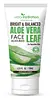
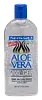
Urban Hydration Bright & Balanced Aloe Vera Leaf Gel Moisturizer Versus Fruit of the Earth Aloe Vera 100% Gel
This calming moisturizer is formulated around Aloe Barbadensis Leaf Juice and Glycyrrhiza Uralensis Root Extract to calm redness and hydrate skin.

What's inside
What's inside
 Key Ingredients
Benefits
Concerns
Ingredients Side-by-side
Water
Skin ConditioningGlycerin
Humectant


Hamamelis Virginiana Water
Astringent



Propanediol
Solvent
Aloe Barbadensis Leaf Juice
Skin Conditioning

Biosaccharide Gum-1
Humectant
Butylene Glycol
Humectant
Glycyrrhiza Uralensis Root Extract
Skin Conditioning
Gentiana Scabra Extract
HumectantSophora Angustifolia Root Extract
Skin ConditioningCentella Asiatica Extract
Cleansing

Carbomer
Emulsion StabilisingPolysorbate 20
Emulsifying
Panthenol
Skin Conditioning
Allantoin
Skin Conditioning
Cucumis Sativus Fruit Extract
Emollient
Tetrasodium Glutamate Diacetate
Sodium Hydroxide
BufferingMentha Piperita Oil
Masking



O-Cymen-5-Ol
Antimicrobial
Ethylhexylglycerin
Skin Conditioning1,2-Hexanediol
Skin Conditioning
Propylene Glycol
Humectant
Sodium Hyaluronate
Humectant
Ricinus Communis Seed Oil
Masking
Tocopheryl Acetate
Antioxidant


Water, Glycerin, Hamamelis Virginiana Water, Propanediol, Aloe Barbadensis Leaf Juice, Biosaccharide Gum-1, Butylene Glycol, Glycyrrhiza Uralensis Root Extract, Gentiana Scabra Extract, Sophora Angustifolia Root Extract, Centella Asiatica Extract, Carbomer, Polysorbate 20, Panthenol, Allantoin, Cucumis Sativus Fruit Extract, Tetrasodium Glutamate Diacetate, Sodium Hydroxide, Mentha Piperita Oil, O-Cymen-5-Ol, Ethylhexylglycerin, 1,2-Hexanediol, Propylene Glycol, Sodium Hyaluronate, Ricinus Communis Seed Oil, Tocopheryl Acetate
Reviews
Ingredients Explained
These ingredients are found in both products.
Ingredients higher up in an ingredient list are typically present in a larger amount.
Aloe Barbadensis Leaf Juice is the filtered, stabilized liquid pressed from the inner gel of the aloe vera leaf.
In cosmetics, it shows up as either soothing active or a water-replacement base. It is roughly 98-99% water and the last 1-2% is an interesting mix of polysaccharides, amino acids, vitamins, minerals, and enzymes.
The polysaccharides do most of the work: they bind water at the skin surface for a light, non-greasy hydration boost. And one of the polysaccharides, glycomannan, is linked to fibroblast stimulation + collagen synthesis. This is also why aloe has such a long track record in wound and burn healing.
This ingredient is also calming with anti-inflammatory and mild antimicrobial activity, making it a great pick for sensitive, irritated, or post-sun skin.
Realistic expectations matter though; the solid evidence is mostly limited to hydration, soothing, and wound support. Deeper claims about anti-aging or sun protection are not well backed, and science reviews note it does not prevent radiation-induced skin injury.
Because it plays well with almost everything, it's commonly used as a base alongside other actives like niacinamide or vitamin C.
Typical usage concentrations range from 0.5% (where hydration benefits already show up) all the way to 90%+ (where it replaces water as the main base).
The safety for this ingredient is well-establish as well. Overall, this is a great supporting ingredient for those who want a boost in hydration.
Learn more about Aloe Barbadensis Leaf JuiceCarbomer is a synthetic thickening and gelling agent. It's basically the ingredient that gives a lot of serums, gels, creams, and sunscreens their smooth, non-sticky texture.
Although legally permitted at very high levels, carbomers are normally used at concentrations below 1%.
It also needs to be neutralized to actually thicken, and because it is a large molecule, it doesn't really penetrate the skin barrier.
Allergy-wise, the risk is very low. Clinical studies show carbomers have low potential for skin irritation/sensitization even at concentrations up to 100%.
A 2024 UK study patch-tested 1,302 patients and found true allergy to the parent group of carbomer to be rare with no confirmed relevant reactions.
Learn more about CarbomerTocopheryl Acetate is a stable, shelf-friendly form of vitamin E.
Formulators love it because plain vitamin E oxidizes quickly once it hits air. This acetate version stays stable and resists going off, helping to extend a product's shelf life.
It's actually inactive on its own and works like a slow-release "storage" form; the enzymes in your skin called esterases gradually convert it into active vitamin E over time.
One in vivo study showed 5% of the acetate in the living layer of the epidermis converted to vitamin E after 5 days of application. This study also found the skin gained protection against UV damage even though the conversion was slow and small.
Once converted, vitamin E acts as a skin's main fat-soluble antioxidant that fights free radicals to protect skin from damage.
Topical vitamin E generally boosts the skin's photoprotection, and it reduced UV-damage in animal models.
This ingredient has some brightening potential but it's more of a prevention ingredient than spot-fader. Cell studies show it can slow down melanin production but it's worth noting that it's not the most powerful brightener out there.
Overall, it has a pretty solid safety profile and has been found to be non-irritating and non-comedogenic. Allergic reactions may happen but stay rare due to how widely the ingredient gets used.
The concentration will vary depending on the formula; industry data shows 0.1% in baby lotions, 3% in lipsticks, and 5% in foot powders. You can also find this ingredient at 100% in a pure vitamin E oil.
Most leave-on skincare keeps it at the lower end, often between 0.5-1%.
Learn more about Tocopheryl Acetate

