

What's inside
What's inside
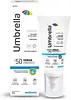 Key Ingredients
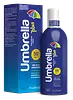
Benefits
Concerns
Ingredients Side-by-side
Water
Skin ConditioningButyl Methoxydibenzoylmethane
UV Absorber
Ethylhexyl Methoxycinnamate
UV Absorber

Octocrylene
UV Absorber
Butylene Glycol
Humectant

Phospholipids
Skin Conditioning
Phenoxyethanol
Preservative
Cyclotetrasiloxane
Emollient
Cyclopentasiloxane
Emollient
Tris-Biphenyl Triazine
UV Absorber
Decyl Glucoside
Cleansing
Disodium Phosphate
BufferingXanthan Gum
EmulsifyingHydrogenated Polyisobutene
EmollientDimethicone Crosspolymer-3
Skin Conditioning
Laureth-4
Emulsifying
Laureth-23
Cleansing
Bis-PEG-18 Methyl Ether Dimethyl Silane
EmollientIsopentyldiol
Humectant
Polymethyl Methacrylate

PEG-12 Dimethicone
Skin Conditioning
C12-15 Alkyl Benzoate
AntimicrobialDibutyl Adipate
EmollientSodium Polyacrylate
Absorbent
Dimethicone
Emollient
Trideceth-6
EmulsifyingPEG/PPG-18/18 Dimethicone
Emulsifying
Caprylyl Methicone
Skin Conditioning
Polymethylsilsesquioxane
Methylene Bis-Benzotriazolyl Tetramethylbutylphenol
UV Filter
Propylene Glycol
Humectant
Bis-Ethylhexyloxyphenol Methoxyphenyl Triazine
Skin Conditioning
Sodium Laureth Sulfate
Cleansing

Aminomethyl Propanol
BufferingDimethicone Crosspolymer
Emulsion Stabilising
Dimethicone/Vinyl Dimethicone Crosspolymer
Skin Conditioning
Dimethiconol
Emollient
Gossypium Hirsutum Extract
Skin ConditioningSodium Stearoyl Glutamate
CleansingHydroxyacetophenone
Antioxidant


1,2-Hexanediol
Skin Conditioning
Caprylyl Glycol
Emollient
Diisopropyl Adipate
EmollientOxothiazolidine
Skin ProtectingAmmonium Acryloyldimethyltaurate/Carboxyethyl Acrylate Crosspolymer
Benzylidene Dimethoxydimethylindanone
Skin ProtectingTitanium Dioxide
Cosmetic Colorant
Mica
Cosmetic ColorantTin Oxide
Abrasive
Potassium Cetyl Phosphate
EmulsifyingHydrogenated Palm Glycerides
Emollient
Disodium EDTA
Water, Butyl Methoxydibenzoylmethane, Ethylhexyl Methoxycinnamate, Octocrylene, Butylene Glycol, Phospholipids, Phenoxyethanol, Cyclotetrasiloxane, Cyclopentasiloxane, Tris-Biphenyl Triazine, Decyl Glucoside, Disodium Phosphate, Xanthan Gum, Hydrogenated Polyisobutene, Dimethicone Crosspolymer-3, Laureth-4, Laureth-23, Bis-PEG-18 Methyl Ether Dimethyl Silane, Isopentyldiol, Polymethyl Methacrylate, PEG-12 Dimethicone, C12-15 Alkyl Benzoate, Dibutyl Adipate, Sodium Polyacrylate, Dimethicone, Trideceth-6, PEG/PPG-18/18 Dimethicone, Caprylyl Methicone, Polymethylsilsesquioxane, Methylene Bis-Benzotriazolyl Tetramethylbutylphenol, Propylene Glycol, Bis-Ethylhexyloxyphenol Methoxyphenyl Triazine, Sodium Laureth Sulfate, Aminomethyl Propanol, Dimethicone Crosspolymer, Dimethicone/Vinyl Dimethicone Crosspolymer, Dimethiconol, Gossypium Hirsutum Extract, Sodium Stearoyl Glutamate, Hydroxyacetophenone, 1,2-Hexanediol, Caprylyl Glycol, Diisopropyl Adipate, Oxothiazolidine, Ammonium Acryloyldimethyltaurate/Carboxyethyl Acrylate Crosspolymer, Benzylidene Dimethoxydimethylindanone, Titanium Dioxide, Mica, Tin Oxide, Potassium Cetyl Phosphate, Hydrogenated Palm Glycerides, Disodium EDTA
Water
Skin ConditioningEthylhexyl Methoxycinnamate
UV Absorber
Methylene Bis-Benzotriazolyl Tetramethylbutylphenol
UV Filter
Decyl Glucoside
Cleansing
Propylene Glycol
Humectant
Xanthan Gum
Emulsifying4-Methylbenzylidene Camphor
UV Absorber
PEG-100 Stearate
Glyceryl Stearate
Emollient
Butyl Methoxydibenzoylmethane
UV Absorber
Cyclomethicone
Emollient
Cetearyl Alcohol
Emollient
Ceteareth-20
CleansingDimethicone
Emollient
Tocopheryl Acetate
Antioxidant

Methylparaben
Preservative
Disodium EDTA
Parfum
Masking

Propylparaben
Preservative
BHT
Antioxidant
Water, Ethylhexyl Methoxycinnamate, Methylene Bis-Benzotriazolyl Tetramethylbutylphenol, Decyl Glucoside, Propylene Glycol, Xanthan Gum, 4-Methylbenzylidene Camphor, PEG-100 Stearate, Glyceryl Stearate, Butyl Methoxydibenzoylmethane, Cyclomethicone, Cetearyl Alcohol, Ceteareth-20, Dimethicone, Tocopheryl Acetate, Methylparaben, Disodium EDTA, Parfum, Propylparaben, BHT
Reviews
Ingredients Explained
These ingredients are found in both products.
Ingredients higher up in an ingredient list are typically present in a larger amount.
Also known as Avobenzone, this ingredient is a chemical sunscreen filter that provides protection in the UV-A range.
Avobenzone is globally approved and is the most commonly used UV-A filter in the world.
Studies have found that avobenzone becomes ineffective when exposed to UV light (it is not photostable; meaning that it breaks down in sunlight). Because of this, formulations that include avobenzone will usually contain stabilizers such as octocrylene.
However, some modern formulations (looking at you, EU!) are able to stabilize avobenzone by coating the molecules.
Avobenzone does not protect against the UV-B range, so it's important to check that the sunscreen you're using contains other UV filters that do!
The highest concentration of avobenzone permitted is 3% in the US, and 5% in the EU.
Learn more about Butyl MethoxydibenzoylmethaneDecyl Glucoside is a plant-derived surfactant and emulsion stabilizer. It is created by reacting glucose with the fatty acids from plants.
Like all surfactants, it works by lowering the surface tension between water and oil. This makes it so that dirt, sebum, and makeup can be lifted off your skin and rinsed away. It also produces a dense and creamy foam.
Because it has a neutral charge, it is compatible with a wide range of ingredients and stays stable across a broad pH range/water hardiness conditions.
Patch testing has shown it to have the lowest irritation potential among common cleansing surfactants (like SLS).
Typical use levels range from 5-20% in rinse-off cleansers.
One thing worth knowing: The American Contact Dermatitis Society named the parent family, alkyl glucosides, "Allergen of the Year" in 2017. The prevalence of allergy is pretty low but be sure to patch test if you've reacted to "gentle" or sulfate-free cleansers before.
This ingredient is fungal acne safe because the fatty alcohol portion of this ingredient is not within the C11-24 chain length that Malassezia can metabolize.
Learn more about Decyl GlucosideDimethicone is a type of synthetic silicone created from natural materials such as quartz. It is also known as polydimethylsiloxane.
What it does:
Dimethicone comes in different viscosities:
Depending on the viscosity, dimethicone has different properties.
Ingredients lists don't always show which type is used, so we recommend reaching out to the brand if you have questions about the viscosity.
This ingredient is unlikely to cause irritation because it does not get absorbed into skin. However, people with silicone allergies should be careful about using this ingredient.
Note: Dimethicone may contribute to pilling. This is because it is not oil or water soluble, so pilling may occur when layered with products. When mixed with heavy oils in a formula, the outcome is also quite greasy.
Learn more about DimethiconeDisodium EDTA is a chelating agent. It grabs onto and deactivates metal ions that sneak into your products from water, packaging, or air.
This ingredient mainly works behind the scenes and helps with:
On top of that, this ingredient can counteract the effects of hard water by binding to the minerals in it.
One thing worth knowing is that Disodium EDTA has been shown to be a mild penetration enhancer. It can help other ingredients absorb into skin more effectively which can be a double-edged sword (great for actives, but can also make the active too strong if you have sensitive skin).
Clinical patch testing showed no significant skin irritation at typical use concentrations and minimal dermal absorption.
You'll most likely see this ingredient near the end of an ingredient list. It's typically found in concentrations less than 1%.
Learn more about Disodium EDTAEthylhexyl Methoxycinnamate is an organic compound that provides UVB protection. It often goes by the more common name of octinoxate. It is created from methoxycinnamic acid and 2-ethylhexanol.
Ethylhexyl Methoxycinnamate absorbs UVB rays with wavelengths between 280-320 nm. UV absorbers protect your skin by using chemical reactions to convert UV rays into heat and energy.
UVB (290-320 nm) rays emit more energy than UVA rays. They are capable of damaging DNA, causing sunburns and are thought to be linked to skin cancer.
The state of Hawaii has banned sunscreens containing octinoxate due to its potential impact on coral reefs. More research is needed to bridge gaps in this research. The European Union allows higher levels of octinoxate in sunscreens than the US and Australia.
Ethylhexyl Methoxycinnamate is oil soluble. It is not stable and may lose efficacy when exposed to sunlight.
Learn more about Ethylhexyl MethoxycinnamateMethylene Bis-Benzotriazolyl Tetramethylbutylphenol (Tinosorb M) is a hybrid and broad-spectrum UV ingredient. It is both a UV absorber and filter.
UV absorbers are an agent that absorbs UV rays. They protect your skin by using chemical reactions to convert UV rays into heat and energy. UV filters physically reduce the amount of UV rays from reaching your skin.
Tinosorb M covers a range of 280-400 nm and is photostable. This ingredient is neither oil or water soluble.
Tinosorb M is not available in the US. However, it is available in the EU and Asia.
It's sister, Tinosorb S, is set to be approved in the US by late 2025 (fingers crossed!).
Learn more about Methylene Bis-Benzotriazolyl TetramethylbutylphenolPropylene Glycol is a synthetic, colorless, odorless liquid that has been a staple in cosmetics for decades. It is a skin conditioning agent, humectant, and solvent.
As a humectant, it draw water to the skin to reduce flaking and restore suppleness. It's also a solvent that helps dissolve other actives and keeps formulas stable across temperature changes.
The CIR Expert Panel has confirmed this ingredient to be nontoxic and clinical studies show no sensitization at cosmetic use concentrations.
True allergic reactions are quite rare: a 15-year retrospective study of 6,751 patients found only 0.31% had a positive reaction (and less than half were considered clinically relevant).
It seemed that when sensitization does occur, it's most commonly linked to topical medication (like corticosteroids) and not cosmetics. Allergic contact dermatitis also appears largely limited to individuals with underlying skin conditions.
Overall, propylene glycol is a well-studied ingredient that most people can tolerate without issue.
Learn more about Propylene GlycolWater. It's the most common cosmetic ingredient of all. You'll usually see it at the top of ingredient lists, meaning that it makes up the largest part of the product.
So why is it so popular? Water most often acts as a solvent - this means that it helps dissolve other ingredients into the formulation.
You'll also recognize water as that liquid we all need to stay alive. If you see this, drink a glass of water. Remember to stay hydrated!
Learn more about WaterXanthan gum is used as a stabilizer and thickener within cosmetic products. It helps give products a sticky, thick feeling - preventing them from being too runny.
On the technical side of things, xanthan gum is a polysaccharide - a combination consisting of multiple sugar molecules bonded together.
Xanthan gum is a pretty common and great ingredient. It is a natural, non-toxic, non-irritating ingredient that is also commonly used in food products.
Learn more about Xanthan Gum
