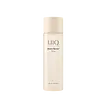
This barrier-repair toner is formulated around Niacinamide and Ceramide NP to strengthen the skin barrier and calm redness.
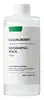
This hydrating toner is formulated around Euterpe Oleracea Fruit Extract and Protease to hydrate skin and refine skin texture.

What's inside
What's inside
 Key Ingredients
Benefits
Concerns
No concerns
Ingredients Side-by-side
Water
Skin ConditioningCutibacterium Avidum/Granulosum Ferment Extract Filtrate 24.4%
EmollientButylene Glycol
Humectant

Dipropylene Glycol
Humectant1,2-Hexanediol
Skin Conditioning
Niacinamide
Smoothing










Centella Asiatica Extract
Cleansing
Urea
Buffering
Lactic Acid
Buffering



Ficus Carica Fruit Extract
Humectant
Sucrose
Humectant
Ulmus Davidiana Root Extract
Skin Conditioning
Rubus Chamaemorus Seed Extract
Skin ConditioningHydrogenated Lecithin
Emulsifying
Ceramide NP
Skin Conditioning
Xanthan Gum
EmulsifyingCitric Acid
Buffering
Fructan
Skin ConditioningProtease
Exfoliating
Sodium Citrate
BufferingHydroxyacetophenone
Antioxidant
Ethylhexylglycerin
Skin ConditioningWater, Cutibacterium Avidum/Granulosum Ferment Extract Filtrate 24.4%, Butylene Glycol, Dipropylene Glycol, 1,2-Hexanediol, Niacinamide, Centella Asiatica Extract, Urea, Lactic Acid, Ficus Carica Fruit Extract, Sucrose, Ulmus Davidiana Root Extract, Rubus Chamaemorus Seed Extract, Hydrogenated Lecithin, Ceramide NP, Xanthan Gum, Citric Acid, Fructan, Protease, Sodium Citrate, Hydroxyacetophenone, Ethylhexylglycerin
Water
Skin ConditioningButylene Glycol
Humectant
Glycerin
Humectant
Propanediol
Solvent
Euterpe Oleracea Fruit Extract
1,2-Hexanediol
Skin Conditioning
Protease
Exfoliating
Betaine
Humectant
Panthenol
Skin Conditioning
Rubus Fruticosus Fruit Extract
AstringentVaccinium Macrocarpon Fruit Extract
AstringentVaccinium Angustifolium Fruit Extract
Skin Protecting
Rubus Idaeus Fruit Extract
AstringentSambucus Nigra Fruit Extract
AstringentXanthan Gum
EmulsifyingAllantoin
Skin Conditioning
Beta-Glucan
Skin Conditioning
Fructan
Skin ConditioningStyrene/Vp Copolymer
Sodium Hyaluronate
Humectant
Pentylene Glycol
Skin Conditioning
Caprylyl Glycol
Emollient
Water, Butylene Glycol, Glycerin, Propanediol, Euterpe Oleracea Fruit Extract, 1,2-Hexanediol, Protease, Betaine, Panthenol, Rubus Fruticosus Fruit Extract, Vaccinium Macrocarpon Fruit Extract, Vaccinium Angustifolium Fruit Extract, Rubus Idaeus Fruit Extract, Sambucus Nigra Fruit Extract, Xanthan Gum, Allantoin, Beta-Glucan, Fructan, Styrene/Vp Copolymer, Sodium Hyaluronate, Pentylene Glycol, Caprylyl Glycol
Reviews
Ingredients Explained
These ingredients are found in both products.
Ingredients higher up in an ingredient list are typically present in a larger amount.
1,2-Hexanediol is a synthetic liquid and another multi-functional powerhouse.
It is a:
- Humectant, drawing moisture into the skin
- Emollient, helping to soften skin
- Solvent, dispersing and stabilizing formulas
- Preservative booster, enhancing the antimicrobial activity of other preservatives
Butylene Glycol (or BG) is used within cosmetic products for a few different reasons:
Overall, Butylene Glycol is a safe and well-rounded ingredient that works well with other ingredients.
Though this ingredient works well with most skin types, some people with sensitive skin may experience a reaction such as allergic rashes, closed comedones, or itchiness.
Learn more about Butylene GlycolWe don't have a description for Fructan yet.
Protease is an enzyme that works as a gentle exfoliant by mimicking something your skin already does naturally.
Your skin uses proteolytic enzymes to carry out desquamation; this is the process of shedding dead skin cells from the stratum corneum.
In skincare, proteases act as biological catalysts that mimic this natural desquamation process. You can think of it as giving your skin's own renewal system a nudge.
By breaking down the bonds that hold dead skin cells together, proteases help accelerate cell turnover to:
One reason they're becoming a popular AHA alternative is because proteases are considered effective while also being well-tolerated on skin. Because they work at a protein level rather than by lowering the skin pH, they can be a good option for those sensitive to AHAs.
Available in vitro and in vivo studies show positive exfoliant results but clinical (human) trials specifically on enzymatic exfoliation are still limited at this time.
Just one thing worth noting: temperature, pH, and stabilization are important factors that affect enzyme activity. The formulation quality definitely matters with this ingredient.
This ingredient can be either microbial sourced or plant-derived (papain from papaya, bromelain from pineapple).
Learn more about ProteaseWater. It's the most common cosmetic ingredient of all. You'll usually see it at the top of ingredient lists, meaning that it makes up the largest part of the product.
So why is it so popular? Water most often acts as a solvent - this means that it helps dissolve other ingredients into the formulation.
You'll also recognize water as that liquid we all need to stay alive. If you see this, drink a glass of water. Remember to stay hydrated!
Learn more about WaterXanthan gum is used as a stabilizer and thickener within cosmetic products. It helps give products a sticky, thick feeling - preventing them from being too runny.
On the technical side of things, xanthan gum is a polysaccharide - a combination consisting of multiple sugar molecules bonded together.
Xanthan gum is a pretty common and great ingredient. It is a natural, non-toxic, non-irritating ingredient that is also commonly used in food products.
Learn more about Xanthan Gum

