Tree to Tub Triple Vitamin C Ultra Brightening Serum Versus IMAGE skincare Iluma Intense Brightening Serum
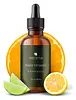
This brightening serum is formulated around Ascorbyl Glucoside and Sodium Ascorbyl Phosphate to brighten dull-looking skin and fade the look of dark spots.
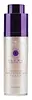
This brightening serum is formulated around Sodium Ascorbyl Phosphate and Arbutin to brighten dull-looking skin and fade the look of dark spots.

What's inside
What's inside
 Key Ingredients
Benefits
Concerns
No concerns
Ingredients Side-by-side

Water
Skin ConditioningCitrus Unshiu Peel Extract
MaskingMelia Azadirachta Leaf Extract
Skin ConditioningAlgae Extract
Emollient

Artemisia Vulgaris Extract
Skin Conditioning

Camellia Sinensis Leaf Extract
Antimicrobial





Sodium Ascorbyl Phosphate
Antioxidant


Arctostaphylos Uva Ursi Leaf Extract
Skin Conditioning
Dimethicone/Methicone Copolymer

Hexylresorcinol
Antimicrobial
Arbutin
Antioxidant
Azelaic Acid
Buffering

Sucrose Palmitate
EmollientPueraria Tuberosa Leaf Cell Extract
Antioxidant
Chlorella Vulgaris Extract
Skin ConditioningHydrolyzed Corallina Officinalis
Skin ConditioningMorus Alba Leaf Extract
Skin ConditioningCentella Asiatica Extract
Cleansing
Echinacea Purpurea Extract
MoisturisingRumex Occidentalis Extract
Skin ConditioningPhyllanthus Emblica Fruit Extract
HumectantGlycyrrhiza Glabra Root Extract
Bleaching
Anthemis Nobilis Flower Extract
Masking
Salix Nigra Bark Extract
Skin ProtectingTocopheryl Acetate
Antioxidant
Magnesium Ascorbyl Phosphate
Antioxidant
Dipotassium Glycyrrhizate
Humectant
Xanthan Gum
EmulsifyingPolysorbate 20
Emulsifying

Potassium Sorbate
Preservative
Disodium EDTA
ChelatingPhenoxyethanol
Preservative
Ethylhexylglycerin
Skin ConditioningCitric Acid
Buffering
Sodium Polystyrene Sulfonate
Emulsion StabilisingWater, Citrus Unshiu Peel Extract, Melia Azadirachta Leaf Extract, Algae Extract, Artemisia Vulgaris Extract, Camellia Sinensis Leaf Extract, Sodium Ascorbyl Phosphate, Arctostaphylos Uva Ursi Leaf Extract, Dimethicone/Methicone Copolymer, Hexylresorcinol, Arbutin, Azelaic Acid, Sucrose Palmitate, Pueraria Tuberosa Leaf Cell Extract, Chlorella Vulgaris Extract, Hydrolyzed Corallina Officinalis, Morus Alba Leaf Extract, Centella Asiatica Extract, Echinacea Purpurea Extract, Rumex Occidentalis Extract, Phyllanthus Emblica Fruit Extract, Glycyrrhiza Glabra Root Extract, Anthemis Nobilis Flower Extract, Salix Nigra Bark Extract, Tocopheryl Acetate, Magnesium Ascorbyl Phosphate, Dipotassium Glycyrrhizate, Xanthan Gum, Polysorbate 20, Potassium Sorbate, Disodium EDTA, Phenoxyethanol, Ethylhexylglycerin, Citric Acid, Sodium Polystyrene Sulfonate
Ingredients Explained
These ingredients are found in both products.
Ingredients higher up in an ingredient list are typically present in a larger amount.
Ethylhexylglycerin is created from glycerin. It is a multitasker ingredient that:
The CIR Expert Panel found minimal skin absorption or sensitization of any kind in a safety assessment. Though this ingredient is considered well-tolerated, a small number of cases of allergic dermatitis have been published since 2002. Just be sure to patch test if you are unsure.
Industry-reported use ranges from 8% in rinse-off products and 2% in leave-on formulations.
Learn more about EthylhexylglycerinMagnesium Ascorbyl Phosphate (MAP) is a water-soluble form of Vitamin C. It is used in skincare because it tends to be more formulation friendly than pure vitamin C (ascorbic acid).
According to research, MAP has three major benefits:
While MAP is gentler on the skin than ascorbic acid, it is thought to be less easily absorbed into the skin.
In a well-known absorption study, pure vitamin C increased skin vitamin C levels when formulated correctly, but derivatives like MAP did not in that experiment. This suggests MAP may not always convert into active vitamin C in the skin.
Due to MAP's stability up to a pH level of 7, it is more stable to air and sunlight exposure than ascorbic acid. The best pH range for MAP is between 5 and 6.
Learn more about Magnesium Ascorbyl PhosphatePhenoxyethanol is one of the most widely used preservatives in skincare (and for good reason!).
It has a large spectrum of antimicrobial activity and especially effective bacteria, yeast, and mold while only having a weak effect on your skin's natural microbiome.
On a cellular level, it disrupts the cell membranes of microbes by poking holes that make the cell leak. This shuts down the chemical reactions the microbe needs to make energy so it can no longer survive.
Another perk of this ingredient is that it stays functional across a wide pH range (3-10).
You'll often see it paired with boosters like Ethylhexylglycerin; one study showed that a 1:9 ratio of Ethylhexylglycerin to Phenoxyethanol damages bacterial membranes as effectively as doubling the Phenoxyethanol concentration on its own.
Typical use concentrations range from 0.3-1% depending on the formula, and this ingredient is capped at 1% int the EU.
Safety-wise, the fear mongering does not hold up to the evidence. The EU's Scientific Committee on Consumer Safety and FDA consider it safe as a preservative at up to 1%, including for children of all ages.
Adverse systemic effects only showed up in animal studies at exposures roughly 200x higher than what people get from cosmetics. And despite its very widespread use, this ingredient is a rare sensitizer and allergic reactions are uncommon.
Learn more about PhenoxyethanolSodium Ascorbyl Phosphate (SAP) is a water-soluble form of Vitamin C. It is the salt of ascorbic acid.
This ingredient is commonly used in skincare because it's more formulation-stable while still offering the same benefits as pure ascorbic acid. Ascorbic acid is notorious for breaking down when exposed to sunlight and oxygen whereas SAP has been shown to be more stable.
Studies show SAP has anti-acne and antioxidant benefits. One study found 5% of SAP lotion to be an effective ingredient for treating acne vulgaris. This is because research shows that SAP may help control acne by reducing acne-causing bacteria and slowing the oxidation of skin oils caused by UV exposure.
In addition to acne, vitamin C is important for skin structure. Lab studies suggest SAP may support collagen production in skin cells, making it a great ingredient in anti-aging routines.
Vitamin C has many benefits: it helps reduce redness, improve skin texture, fade the appearance of dark spots, and brighten the skin.
Read more about other types of Vitamin C:
Learn more about Sodium Ascorbyl PhosphateWater. It's the most common cosmetic ingredient of all. You'll usually see it at the top of ingredient lists, meaning that it makes up the largest part of the product.
So why is it so popular? Water most often acts as a solvent - this means that it helps dissolve other ingredients into the formulation.
You'll also recognize water as that liquid we all need to stay alive. If you see this, drink a glass of water. Remember to stay hydrated!
Learn more about WaterXanthan gum is used as a stabilizer and thickener within cosmetic products. It helps give products a sticky, thick feeling - preventing them from being too runny.
On the technical side of things, xanthan gum is a polysaccharide - a combination consisting of multiple sugar molecules bonded together.
Xanthan gum is a pretty common and great ingredient. It is a natural, non-toxic, non-irritating ingredient that is also commonly used in food products.
Learn more about Xanthan Gum

