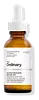
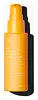
The Ordinary Ascorbyl Glucoside Solution 12% Versus Allies of Skin 20% Vitamin C Brighten + Firm Serum
This brightening serum is formulated around Ascorbyl Glucoside to brighten dull-looking skin and fade the look of dark spots.
This brightening serum is formulated around 3-O-Ethyl Ascorbic Acid and Glutathione to brighten dull-looking skin.


What's inside
What's inside
 Key Ingredients
Benefits
Concerns
No concerns
Ingredients Side-by-side
Propanediol
Solvent

Glycerin
Humectant
3-O-Ethyl Ascorbic Acid
Skin Conditioning




Benzimidazole Diamond Amidoethyl Urea Carbamoyl Propyl Polymethylsilsesquioxane
Cosmetic Colorant
Dimethyl Isosorbide
SolventHelianthus Annuus Seed Wax
Skin Conditioning

Polyglyceryl-10 Tristearate
Skin Conditioning
Ethoxydiglycol
HumectantDicaprylyl Ether
Emollient
Water
Skin ConditioningCaprylyl Glycol
Emollient
Citrus Aurantium Dulcis Callus Culture Extract
Skin ConditioningGlutathione

Acetyl Cysteine
Antioxidant
Dimethylmethoxy Chromanol
Antioxidant
Ergothioneine
Antioxidant
Tocopherol
Antioxidant

Gluconolactone
Chelating


Leuconostoc/Radish Root Ferment Filtrate
Antimicrobial
Xanthan Gum
EmulsifyingSilica
Abrasive
Sodium Benzoate
Masking
Calcium Gluconate
HumectantPhenoxyethanol
Preservative
Propanediol, Glycerin, 3-O-Ethyl Ascorbic Acid, Benzimidazole Diamond Amidoethyl Urea Carbamoyl Propyl Polymethylsilsesquioxane, Dimethyl Isosorbide, Helianthus Annuus Seed Wax, Polyglyceryl-10 Tristearate, Ethoxydiglycol, Dicaprylyl Ether, Water, Caprylyl Glycol, Citrus Aurantium Dulcis Callus Culture Extract, Glutathione, Acetyl Cysteine, Dimethylmethoxy Chromanol, Ergothioneine, Tocopherol, Gluconolactone, Leuconostoc/Radish Root Ferment Filtrate, Xanthan Gum, Silica, Sodium Benzoate, Calcium Gluconate, Phenoxyethanol
Reviews
Ingredients Explained
These ingredients are found in both products.
Ingredients higher up in an ingredient list are typically present in a larger amount.
Caprylyl Glycol is a humectant, skin conditioner, emollient, and preservative booster derived from either caprylic acid or synthetically created.
Typical use levels vary from 0.3-1% as a preservative booster and go up to 2% to condition skin.
Because it is not a free-fatty acid, this ingredient is fungal acne safe (there's nothing for Malassezia to feed on).
Learn more about Caprylyl GlycolDimethyl Isosorbide (often shortened to DMI) is a sugar-derived solvent made from sorbitol. It's used to dissolve tricky ingredients and help them mix smoothly into a formula.
Many actives sit as gritty crystals when undissolved, so DMI swoops in to full dissolve them. This helps improve texture, stability, and how evenly an active is distributed.
It does have a penetration-enhancing reputation that is a bit more nuanced than marketing suggests; a cell study on human skin found that 10% DMI didn't significantly boost the permeation of Hydroquinone, Salicylic Acid, or Octadecenedioic Acid compared to controls (though it did improve their solubility in the formula itself).
Typical usage concentrations usually range from 1-10% depending on the formula's needs; this ingredient is also well tolerated at these levels.
Learn more about Dimethyl IsosorbideEthoxydiglycol (aka Diethylene Glycol Monoethyl Ether) is one of the cosmetic world's quiet problem solvers.
In a formula, it is a solvent that dissolves tricky ingredients that don't want to mix in and helps spread ingredients evenly across your skin without leaving a greasy or sticky feeling
This makes it great for hard-to-dissolve actives like vitamin C, benzoyl peroxide, and self-tanner DHA.
It also has mild humectant and penetration enhancer abilities so it can help some actives absorb a little deeper.
The penetration boost is backed by lab research: studies using human skin samples found it improved how well an active dissolves into the upper layer of skin rather than tearing down your skin barrier. Reviews of its mechanism also describe it interacting gently with the lipids and water in your outermost layer of skin.
Just know this penetration-enhancing effect is not universal. It helps a lot in some formulas and did very little in others (so the benefit really depends on the specific product).
Safety-wise, the evidence is reassuring. The Cosmetic Ingredient Review Expert Panel reviewed it and concluded it's safe for use in cosmetics and recognized it as non-irritating, non-sensitizing, and non-comedogenic in skincare.
Typical leave-on skincare usage lands around 1-10%. The EU has sets caps of 2.6% in non-spray products, 10% in rinse-offs, 7% in oxidative hair dye, and 5% in non-oxidative hair dye.
Learn more about EthoxydiglycolPropanediol is an all-star ingredient. It softens, hydrates, and smooths the skin.
It’s often used to:
Propanediol is not likely to cause sensitivity and considered safe to use. It is derived from corn or petroleum with a clear color and no scent.
Learn more about PropanediolWater. It's the most common cosmetic ingredient of all. You'll usually see it at the top of ingredient lists, meaning that it makes up the largest part of the product.
So why is it so popular? Water most often acts as a solvent - this means that it helps dissolve other ingredients into the formulation.
You'll also recognize water as that liquid we all need to stay alive. If you see this, drink a glass of water. Remember to stay hydrated!
Learn more about WaterXanthan gum is used as a stabilizer and thickener within cosmetic products. It helps give products a sticky, thick feeling - preventing them from being too runny.
On the technical side of things, xanthan gum is a polysaccharide - a combination consisting of multiple sugar molecules bonded together.
Xanthan gum is a pretty common and great ingredient. It is a natural, non-toxic, non-irritating ingredient that is also commonly used in food products.
Learn more about Xanthan Gum

