

What's inside
What's inside
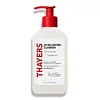 Key Ingredients
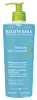
Benefits
Concerns
Ingredients Side-by-side
Water
Skin ConditioningAloe Barbadensis Leaf Juice
Skin Conditioning


Glycerin
Humectant


Propanediol
Solvent
Caprylyl/Capryl Glucoside
CleansingCoco-Betaine
CleansingDisodium Cocoyl Glutamate
CleansingXanthan Gum
EmulsifyingCitric Acid
Buffering




Sodium Chloride
Masking

Sodium Cocoyl Glutamate
CleansingSalicylic Acid
Masking



Potassium Sorbate
Preservative
Sodium Hyaluronate
Humectant
Sodium Phytate
Sodium Benzoate
Masking
Alcohol
Antimicrobial


Water
Skin ConditioningSodium Cocoamphoacetate
CleansingSodium Laureth Sulfate
Cleansing
Methylpropanediol
SolventDisodium EDTA
Lactic Acid
Buffering

Zinc Sulfate
AntimicrobialSodium Chloride
Masking
Copper Sulfate
Skin Conditioning
Potassium Sorbate
Preservative
Xylitol
Humectant
Fructooligosaccharides
Humectant
Mannitol
Humectant
Rhamnose
HumectantPropylene Glycol
Humectant
Sodium Hydroxide
BufferingGinkgo Biloba Leaf Extract
Skin Conditioning
Parfum
Masking
Reviews
Ingredients Explained
These ingredients are found in both products.
Ingredients higher up in an ingredient list are typically present in a larger amount.
Potassium Sorbate is a preservative used to prevent yeast and mold in products. It is commonly found in both cosmetic and food products.
This ingredient comes from potassium salt derived from sorbic acid. Sorbic acid is a natural antibiotic and effective against fungus.
Both potassium sorbate and sorbic acid can be found in baked goods, cheeses, dried meats, dried fruit, ice cream, pickles, wine, yogurt, and more.
You'll often find this ingredient used with other preservatives.
Learn more about Potassium SorbateChances are, you eat sodium chloride every day. Sodium Chloride is also known as table salt.
This ingredient has many purposes in skincare: thickener, emulsifier, and exfoliator.
You'll most likely find this ingredient in cleansers where it is used to create a gel-like texture. As an emulsifier, it also prevents ingredients from separating.
There is much debate on whether this ingredient is comedogenic. The short answer - comedogenic ratings don't tell the whole story. Learn more about comegodenic ratings here.
The concensus about this ingredient causing acne seems to be divided. Research is needed to understand if this ingredient does cause acne.
Scrubs may use salt as the primary exfoliating ingredient.
Learn more about Sodium ChlorideWater. It's the most common cosmetic ingredient of all. You'll usually see it at the top of ingredient lists, meaning that it makes up the largest part of the product.
So why is it so popular? Water most often acts as a solvent - this means that it helps dissolve other ingredients into the formulation.
You'll also recognize water as that liquid we all need to stay alive. If you see this, drink a glass of water. Stay hydrated!
Learn more about Water
