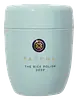
This smoothing exfoliator is formulated around Saccharomyces/Rice Ferment Filtrate and Papain to refine skin texture.

What's inside
What's inside
 Key Ingredients
No key ingredients
Benefits
Concerns
Ingredients Side-by-side
Microcrystalline Cellulose
AbsorbentOryza Sativa Powder
Sodium Lauryl Phosphate
EmulsifyingSodium Lauroyl Glutamate
SurfactantSodium Stearoyl Glutamate
CleansingWater
Skin ConditioningSodium Cocoyl Glutamate
Cleansing
Lauryl Betaine
CleansingSodium Lauroyl Methylaminopropionate
CleansingSaccharomyces/Rice Ferment Filtrate
Skin Conditioning


Camellia Sinensis Leaf Extract
Antimicrobial






Cladosiphon Okamuranus Extract
Skin Conditioning

Papain
Skin Conditioning
Rosa Multiflora Fruit Extract
MaskingBelamcanda Chinensis Root Extract
Skin ConditioningHouttuynia Cordata Extract
Skin Conditioning
Oryza Sativa Bran Extract
Skin Conditioning
Kaolin
Abrasive

Propanediol
Solvent
Dextrin
AbsorbentButylene Glycol
Humectant
Ethylhexylglycerin
Skin ConditioningPhytosteryl/Octyldodecyl Lauroyl Glutamate
Skin ConditioningTocopherol
Antioxidant

Alcohol
Antimicrobial


Phenoxyethanol
Preservative
Silica
Abrasive
CI 77492
Cosmetic ColorantCI 77007
Cosmetic ColorantMicrocrystalline Cellulose, Oryza Sativa Powder, Sodium Lauryl Phosphate, Sodium Lauroyl Glutamate, Sodium Stearoyl Glutamate, Water, Sodium Cocoyl Glutamate, Lauryl Betaine, Sodium Lauroyl Methylaminopropionate, Saccharomyces/Rice Ferment Filtrate, Camellia Sinensis Leaf Extract, Cladosiphon Okamuranus Extract, Papain, Rosa Multiflora Fruit Extract, Belamcanda Chinensis Root Extract, Houttuynia Cordata Extract, Oryza Sativa Bran Extract, Kaolin, Propanediol, Dextrin, Butylene Glycol, Ethylhexylglycerin, Phytosteryl/Octyldodecyl Lauroyl Glutamate, Tocopherol, Alcohol, Phenoxyethanol, Silica, CI 77492, CI 77007



