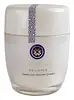
This smoothing exfoliator is formulated around Papain and Oryza Sativa Bran to refine skin texture.


What's inside
What's inside
 Key Ingredients
Benefits
Concerns
Ingredients Side-by-side
Microcrystalline Cellulose
AbsorbentOryza Sativa Powder
Sodium Lauryl Phosphate
EmulsifyingSodium Palmoyl Glutamate
CleansingSodium Lauroyl Glutamate
SurfactantLauryl Betaine
CleansingSodium Lauroyl Methylaminopropionate
CleansingCamellia Sinensis Leaf
Perfuming




Papain
Skin Conditioning
Oryza Sativa Bran
Abrasive
Sericin
Skin ConditioningHydrolyzed Silk
Humectant
Propanediol
Solvent
Dextrin
AbsorbentPhytosteryl/Octyldodecyl Lauroyl Glutamate
Skin ConditioningEthylhexylglycerin
Skin ConditioningTocopherol
Antioxidant



Propyl Alcohol
Solvent
Alcohol
Antimicrobial



Phenoxyethanol
Preservative
Microcrystalline Cellulose, Oryza Sativa Powder, Sodium Lauryl Phosphate, Sodium Palmoyl Glutamate, Sodium Lauroyl Glutamate, Lauryl Betaine, Sodium Lauroyl Methylaminopropionate, Camellia Sinensis Leaf, Papain, Oryza Sativa Bran, Sericin, Hydrolyzed Silk, Propanediol, Dextrin, Phytosteryl/Octyldodecyl Lauroyl Glutamate, Ethylhexylglycerin, Tocopherol, Propyl Alcohol, Alcohol, Phenoxyethanol




Reviews
Ingredients Explained
These ingredients are found in both products.
Ingredients higher up in an ingredient list are typically present in a larger amount.
This ingredient is also called ethanol or ethyl alcohol. It is denatured, meaning made undrinkable for cosmetic use.
In formulas, it:
Is it bad for your skin?
The answer comes down to concentration. Patch and wash studies have found highly concentrated alcohol-based hand rubs (60-100%) cause less barrier disruption than washing with a basic detergent like SLS. The only measurable effect in these studies was a temporary dip in skin hydration.
Concentrations below 12-15% in leave-on cosmetics is generally well-tolerated. Concentrations above start to see increased transepidermal water loss (TEWL) and reduced hydration.
In concentrations about 58%, it creates temporary channels in your skin's lipid layers to become more permeable and allow other ingredients to slip through easily.
This ingredient can be up to 80% of the formula in alcohol-based perfumes.
Overall, this ingredient is probably harmless if found lower down an ingredients list but worth side-eyeing if it's high up (especially if your barrier is already struggling).
Alcohol can worsen dry skin, eczema, and oily skin, especially at higher concentrations. This is because it can increase transepidermal water loss and decrease hydration to disrupt the skin barrier.
According to the National Rosacea Society based in the US, you should be mindful of products with these alcohols in the top half of ingredients.
True allergic contact dermatitis to ethanol is uncommon, but be sure to patch test if you have dry or sensitive skin.
Learn more about Alcohol

