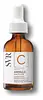
This brightening ampoule is formulated around 3-O-Ethyl Ascorbic Acid to brighten dull-looking skin.
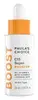
This brightening serum is formulated around Ascorbic Acid and Ferulic Acid to brighten dull-looking skin and soften the look of wrinkles.


What's inside
What's inside
 Key Ingredients
Benefits
Concerns
Ingredients Side-by-side
Water
Skin Conditioning3-O-Ethyl Ascorbic Acid
Skin Conditioning





Propylene Glycol
Humectant


Alcohol Denat.
Antimicrobial


Glycerin
Humectant
Propanediol
Solvent
Ethoxydiglycol
HumectantPentylene Glycol
Skin Conditioning
Diglycerin
Humectant
Xylitylglucoside
Humectant
Algin
MaskingDisodium Phosphate
BufferingEvodia Rutaecarpa Fruit Extract
Skin ConditioningGlyceryl Polyacrylate
Methyl Diisopropyl Propionamide
MaskingPotassium Phosphate
BufferingPullulan
Serine
Masking
Trehalose
Humectant
Anhydroxylitol
Humectant
Sodium Hyaluronate
Humectant
Urea
Buffering
Xylitol
Humectant
1,2-Hexanediol
Skin Conditioning
Caprylyl Caprylate
EmollientWater, 3-O-Ethyl Ascorbic Acid, Propylene Glycol, Alcohol Denat., Glycerin, Propanediol, Ethoxydiglycol, Pentylene Glycol, Diglycerin, Xylitylglucoside, Algin, Disodium Phosphate, Evodia Rutaecarpa Fruit Extract, Glyceryl Polyacrylate, Methyl Diisopropyl Propionamide, Potassium Phosphate, Pullulan, Serine, Trehalose, Anhydroxylitol, Sodium Hyaluronate, Urea, Xylitol, 1,2-Hexanediol, Caprylyl Caprylate
Water
Skin ConditioningAscorbic Acid
Antioxidant

Dipropylene Glycol
HumectantPropanediol
Solvent
Glycerin
Humectant
Ethoxydiglycol
HumectantSodium Hydroxide
BufferingPPG-26-Buteth-26
Skin ConditioningPEG-40 Hydrogenated Castor Oil
Emulsifying

Bisabolol
Antioxidant
Ferulic Acid
Antimicrobial
Sodium Phytate
ChelatingDecylene Glycol
Skin ConditioningTocopherol
Antioxidant
1,2-Hexanediol
Skin Conditioning
Sphingomonas Ferment Extract
Skin Conditioning
Phenoxyethanol
Preservative
Reviews
Alternatives
Ingredients Explained
These ingredients are found in both products.
Ingredients higher up in an ingredient list are typically present in a larger amount.
1,2-Hexanediol is a synthetic liquid and another multi-functional powerhouse.
It is a:
- Humectant, drawing moisture into the skin
- Emollient, helping to soften skin
- Solvent, dispersing and stabilizing formulas
- Preservative booster, enhancing the antimicrobial activity of other preservatives
Ethoxydiglycol (aka Diethylene Glycol Monoethyl Ether) is one of the cosmetic world's quiet problem solvers.
In a formula, it is a solvent that dissolves tricky ingredients that don't want to mix in and helps spread ingredients evenly across your skin without leaving a greasy or sticky feeling
This makes it great for hard-to-dissolve actives like vitamin C, benzoyl peroxide, and self-tanner DHA.
It also has mild humectant and penetration enhancer abilities so it can help some actives absorb a little deeper.
The penetration boost is backed by lab research: studies using human skin samples found it improved how well an active dissolves into the upper layer of skin rather than tearing down your skin barrier. Reviews of its mechanism also describe it interacting gently with the lipids and water in your outermost layer of skin.
Just know this penetration-enhancing effect is not universal. It helps a lot in some formulas and did very little in others (so the benefit really depends on the specific product).
Safety-wise, the evidence is reassuring. The Cosmetic Ingredient Review Expert Panel reviewed it and concluded it's safe for use in cosmetics and recognized it as non-irritating, non-sensitizing, and non-comedogenic in skincare.
Typical leave-on skincare usage lands around 1-10%. The EU has sets caps of 2.6% in non-spray products, 10% in rinse-offs, 7% in oxidative hair dye, and 5% in non-oxidative hair dye.
Learn more about EthoxydiglycolGlycerin (or glycerol) is a compound naturally found in your skin. It's a powerhouse humectant that pulls water into the stratum corneum.
Topically, glycerin does several things at once:
Your skin makes glycerin on its own (mostly from sebaceous oil breakdown) and shuttles it to your outermost layer of skin, or your epidermis, via aquaporin-3.
Aquaporin-3 is a transporter that is essential for normal skin hydration, elasticity, and repair. Interestingly, mice lacking in AQP3 have dry and less elastic skin that can be fully corrected with glycerin.
This ingredient is non-irritating, plays well with almost every ingredient, and works across all skin types. Typical use is anywhere between 3-10% but can go up to 79% in some leave-on products.
Just know very high concentrations (>40%) can feel tacky in low humidity.
Glycerin is the name for this ingredient in American English. British English uses Glycerol/Glycerine.
Learn more about GlycerinPropanediol is an all-star ingredient. It softens, hydrates, and smooths the skin.
It’s often used to:
Propanediol is not likely to cause sensitivity and considered safe to use. It is derived from corn or petroleum with a clear color and no scent.
Learn more about PropanediolWater. It's the most common cosmetic ingredient of all. You'll usually see it at the top of ingredient lists, meaning that it makes up the largest part of the product.
So why is it so popular? Water most often acts as a solvent - this means that it helps dissolve other ingredients into the formulation.
You'll also recognize water as that liquid we all need to stay alive. If you see this, drink a glass of water. Remember to stay hydrated!
Learn more about Water

