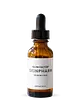
This brightening serum is formulated around Ascorbic Acid and Potassium Azeloyl Diglycinate to brighten dull-looking skin and fade the look of dark spots.
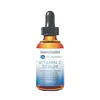
This brightening serum is formulated around 3-O-Ethyl Ascorbic Acid and Tocopherol to brighten dull-looking skin and soften the look of wrinkles.

What's inside
What's inside
 Key Ingredients
Benefits
Concerns
Ingredients Side-by-side
Water
Skin ConditioningEthoxydiglycol
HumectantAscorbic Acid
Antioxidant






Sd Alcohol 40-B 10%
Astringent


Pentylene Glycol
Skin Conditioning
Tocophersolan
Antioxidant
Sodium Lactate
Buffering
Potassium Azeloyl Diglycinate
Skin Conditioning



Ergothioneine
Antioxidant
Evodia Rutaecarpa Fruit Extract
Skin ConditioningGlycerin
Humectant
Rumex Crispus Root Extract
Skin ConditioningPEG-8 Dimethicone
Emulsifying
Ferulic Acid
Antimicrobial
Dipotassium Glycyrrhizate
Humectant
Sodium Metabisulfite
Antioxidant
Disodium EDTA
Water, Ethoxydiglycol, Ascorbic Acid, Sd Alcohol 40-B 10%, Pentylene Glycol, Tocophersolan, Sodium Lactate, Potassium Azeloyl Diglycinate, Ergothioneine, Evodia Rutaecarpa Fruit Extract, Glycerin, Rumex Crispus Root Extract, PEG-8 Dimethicone, Ferulic Acid, Dipotassium Glycyrrhizate, Sodium Metabisulfite, Disodium EDTA
Water
Skin Conditioning3-O-Ethyl Ascorbic Acid
Skin Conditioning
Butylene Glycol
Humectant
Propylene Glycol
Humectant
Glycerin
Humectant
Erythritol
Humectant
Panthenol
Skin Conditioning
Elastin
Skin ConditioningOryza Sativa Extract
Absorbent
Phragmites Communis Extract
Skin ConditioningZea Mays Silk Extract
Skin ConditioningAngelica Keiskei Extract
Antioxidant
Vetiveria Zizanoides Root Extract
Perfuming
Tocopherol
Antioxidant
Saururus Chinensis Leaf/Root Extract
Antimicrobial
Taraxacum Officinale Leaf Extract
Skin ConditioningHydroxyacetophenone
Antioxidant
1,2-Hexanediol
Skin Conditioning
Stephania Tetrandra Root Extract
Skin ConditioningAloe Barbadensis Leaf Extract
Emollient
Hydrolyzed Collagen
Emollient
Ferulic Acid
Antimicrobial
Carnosine
Skin Conditioning
Centella Asiatica Extract
Cleansing
Sodium Hyaluronate
Humectant
Allantoin
Skin Conditioning
Phenoxyethanol
Preservative
Xanthan Gum
EmulsifyingDisodium EDTA
Water, 3-O-Ethyl Ascorbic Acid, Butylene Glycol, Propylene Glycol, Glycerin, Erythritol, Panthenol, Elastin, Oryza Sativa Extract, Phragmites Communis Extract, Zea Mays Silk Extract, Angelica Keiskei Extract, Vetiveria Zizanoides Root Extract, Tocopherol, Saururus Chinensis Leaf/Root Extract, Taraxacum Officinale Leaf Extract, Hydroxyacetophenone, 1,2-Hexanediol, Stephania Tetrandra Root Extract, Aloe Barbadensis Leaf Extract, Hydrolyzed Collagen, Ferulic Acid, Carnosine, Centella Asiatica Extract, Sodium Hyaluronate, Allantoin, Phenoxyethanol, Xanthan Gum, Disodium EDTA
Ingredients Explained
These ingredients are found in both products.
Ingredients higher up in an ingredient list are typically present in a larger amount.
Disodium EDTA is a chelating agent. It grabs onto and deactivates metal ions that sneak into your products from water, packaging, or air.
This ingredient mainly works behind the scenes and helps with:
On top of that, this ingredient can counteract the effects of hard water by binding to the minerals in it.
One thing worth knowing is that Disodium EDTA has been shown to be a mild penetration enhancer. It can help other ingredients absorb into skin more effectively which can be a double-edged sword (great for actives, but can also make the active too strong if you have sensitive skin).
Clinical patch testing showed no significant skin irritation at typical use concentrations and minimal dermal absorption.
You'll most likely see this ingredient near the end of an ingredient list. It's typically found in concentrations less than 1%.
Learn more about Disodium EDTAFerulic Acid is a plant based antioxidant that can be naturally found in the cell walls of grains like rice, oats, and corn. It has antioxidant and antimicrobial properties, and has the ability to boost the performance of other antioxidants as well.
A well-known study found that adding Ferulic Acid to a solution of Vitamins C and E doubled the photoprotection of skin. This is why you'll often see it paired with Vitamin C or Vitamin E serums rather than sold on its own.
A 2025 review of 18 human studies found that using Ferulic Acid (0.5-1%) daily for one to three months showed improvements in:
As far as allergies go, Ferulic acid is generally well-tolerated but can cause an allergic reaction in very rare cases. It's also worth noting that Ferulic acid is often extracted from plant sources like rice bran or wheat bran, so be sure to path test if you have known grain allergies.
Outside of skincare, researchers are also looking into Ferulic Acid for its potential benefits in areas like diabetes, Alzheimer's, and heart health.
Learn more about Ferulic AcidGlycerin (or glycerol) is a compound naturally found in your skin. It's a powerhouse humectant that pulls water into the stratum corneum.
Topically, glycerin does several things at once:
Your skin makes glycerin on its own (mostly from sebaceous oil breakdown) and shuttles it to your outermost layer of skin, or your epidermis, via aquaporin-3.
Aquaporin-3 is a transporter that is essential for normal skin hydration, elasticity, and repair. Interestingly, mice lacking in AQP3 have dry and less elastic skin that can be fully corrected with glycerin.
This ingredient is non-irritating, plays well with almost every ingredient, and works across all skin types. Typical use is anywhere between 3-10% but can go up to 79% in some leave-on products.
Just know very high concentrations (>40%) can feel tacky in low humidity.
Glycerin is the name for this ingredient in American English. British English uses Glycerol/Glycerine.
Learn more about GlycerinWater. It's the most common cosmetic ingredient of all. You'll usually see it at the top of ingredient lists, meaning that it makes up the largest part of the product.
So why is it so popular? Water most often acts as a solvent - this means that it helps dissolve other ingredients into the formulation.
You'll also recognize water as that liquid we all need to stay alive. If you see this, drink a glass of water. Remember to stay hydrated!
Learn more about Water

