

What's inside
What's inside
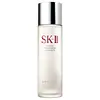 Key Ingredients
No key ingredients
Benefits
Concerns
Ingredients Side-by-side




Bifida Ferment Lysate
Skin Conditioning



Galactomyces Ferment Filtrate
Humectant


Butylene Glycol
Humectant
Methyl Gluceth-20
Humectant
Water
Skin ConditioningNiacinamide
Smoothing






PEG-90
Humectant1,2-Hexanediol
Skin Conditioning
Glycerin
Humectant
Squalane
Emollient
Alteromonas Ferment Extract
Skin Conditioning
Silk Extract
Skin ConditioningGoat Milk Extract
Sodium Hyaluronate
Humectant
Panthenol
Skin Conditioning
Adenosine
Skin Conditioning
Glycereth-26
Humectant
Xanthan Gum
EmulsifyingPolyglyceryl-3 Distearate
Emulsifying
Glyceryl Stearate Se
Emulsifying

Glyceryl Stearate Citrate
Emollient
Polyglyceryl-3 Methylglucose Distearate
Emulsifying
Carbomer
Emulsion StabilisingTromethamine
BufferingCaprylyl Glycol
Emollient
Tropolone
Skin ConditioningDisodium EDTA
Bifida Ferment Lysate, Galactomyces Ferment Filtrate, Butylene Glycol, Methyl Gluceth-20, Water, Niacinamide, PEG-90, 1,2-Hexanediol, Glycerin, Squalane, Alteromonas Ferment Extract, Silk Extract, Goat Milk Extract, Sodium Hyaluronate, Panthenol, Adenosine, Glycereth-26, Xanthan Gum, Polyglyceryl-3 Distearate, Glyceryl Stearate Se, Glyceryl Stearate Citrate, Polyglyceryl-3 Methylglucose Distearate, Carbomer, Tromethamine, Caprylyl Glycol, Tropolone, Disodium EDTA
Reviews
Ingredients Explained
These ingredients are found in both products.
Ingredients higher up in an ingredient list are typically present in a larger amount.
Butylene Glycol (or BG) is used within cosmetic products for a few different reasons:
Overall, Butylene Glycol is a safe and well-rounded ingredient that works well with other ingredients.
Though this ingredient works well with most skin types, some people with sensitive skin may experience a reaction such as allergic rashes, closed comedones, or itchiness.
Learn more about Butylene GlycolGalactomyces Ferment Filtrate (GFF) is a byproduct of fermenting Galactomyces yeast (the same yeast traditionally used to brew sake, Japan's beloved rice wine).
Sake brewers have long been known for their remarkably youthful hands. This is what actually first sparked scientific interest in GFF's skin benefits.
GFF works by stimulating filaggrin production in the skin. Filaggrin is a protein that binds structural proteins in the outer skin layer together to form a tight barrier that shields against allergens, bacteria, and moisture loss.
It's also a key building block of our natural moisturizing factors (NMF), or the network of compounds that keep skin plump and hydrated.
By boosting filaggrin, GFF helps strengthen both our barrier and our skin's ability to retain moisture.
Beyond hydration, GFF has notable antioxidant properties that help protect against oxidative stress and UV-induced inflammation.
Research also suggests it may help regulate sebum and keratin production. This could be an interesting option for those concerned about oiliness or skin texture.
Fungal acne:
This ingredient doesn't contain fatty acids or oils that could feed Malassezia, and the yeast used to make it (Galactomyces) is a different genera of fungi from Malassezia. The presence of one doesn't stimulate the other.
However, there is a concern raised by some communities that this ingredient could trigger a reaction in people who are broadly sensitive to yeast/fungal-derived ingredients.
Learn more about Galactomyces Ferment FiltrateWater. It's the most common cosmetic ingredient of all. You'll usually see it at the top of ingredient lists, meaning that it makes up the largest part of the product.
So why is it so popular? Water most often acts as a solvent - this means that it helps dissolve other ingredients into the formulation.
You'll also recognize water as that liquid we all need to stay alive. If you see this, drink a glass of water. Remember to stay hydrated!
Learn more about Water
