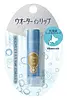
This barrier-repair lip moisturizer is formulated around Squalane to strengthen the lip barrier and hydrate lips.
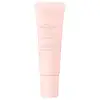
This anti-aging lip moisturizer is formulated around Sodium Acetylated Hyaluronate and Tocopherol to soften the look of wrinkles and hydrate lips.

What's inside
What's inside
 Key Ingredients
Benefits
Concerns
Ingredients Side-by-side
Hydrogenated Polyisobutene
EmollientSqualane
Emollient


Polyethylene
Abrasive

PEG/PPG-36/41 Dimethyl Ether
Skin ConditioningDiphenylsiloxy Phenyl Trimethicone
Skin Conditioning
Ethylhexyl Methoxycinnamate
UV Absorber


Malic Acid
Buffering




Microcrystalline Wax
Emulsion StabilisingOnsen-Sui
Ascorbyl Dipalmitate
Antioxidant


Dipropylene Glycol
HumectantPEG-10 Dimethicone
Skin Conditioning
Glycerin
Humectant
Tocopherol
Antioxidant

Simethicone
Emollient
BHT
Antioxidant
Paraffinum Liquidum
Emollient

Hydrogenated Polyisobutene
EmollientDextrin Palmitate
Emulsifying
Ethylhexyl Methoxycinnamate
UV Absorber
Butylene Glycol
Humectant
Cetyl Alcohol
Emollient

Glycerin
Humectant
Water
Skin ConditioningSilica Dimethyl Silylate
EmollientGlucosyl Hesperidin
HumectantSodium Acetylated Hyaluronate
Humectant
Soluble Collagen
Humectant
Sorbitan Sesquiisostearate
Emulsifying
Lithium Magnesium Sodium Silicate
AbsorbentTocopherol
Antioxidant
Simethicone
Emollient
Citrus Aurantium Dulcis Peel Oil
Masking
BHT
Antioxidant
Triisostearin
Skin Conditioning
Trimethylolpropane Triethylhexanoate
EmollientMethicone
Emollient
Tetradecene
EmollientAluminum Hydroxide
EmollientTetramethylcyclotetrasiloxane
Diisostearyl Malate
EmollientGlyceryl Diisostearate
Emollient
Silica
Abrasive

Phenoxyethanol
Preservative
Iron Oxides
Titanium Dioxide
Cosmetic Colorant
CI 77120
Cosmetic ColorantCI 15850
Cosmetic ColorantParaffinum Liquidum, Hydrogenated Polyisobutene, Dextrin Palmitate, Ethylhexyl Methoxycinnamate, Butylene Glycol, Cetyl Alcohol, Glycerin, Water, Silica Dimethyl Silylate, Glucosyl Hesperidin, Sodium Acetylated Hyaluronate, Soluble Collagen, Sorbitan Sesquiisostearate, Lithium Magnesium Sodium Silicate, Tocopherol, Simethicone, Citrus Aurantium Dulcis Peel Oil, BHT, Triisostearin, Trimethylolpropane Triethylhexanoate, Methicone, Tetradecene, Aluminum Hydroxide, Tetramethylcyclotetrasiloxane, Diisostearyl Malate, Glyceryl Diisostearate, Silica, Phenoxyethanol, Iron Oxides, Titanium Dioxide, CI 77120, CI 15850
Ingredients Explained
These ingredients are found in both products.
Ingredients higher up in an ingredient list are typically present in a larger amount.
BHT is a synthetic antioxidant and preservative.
As an antioxidant, it helps your body fight off free-radicals. Free-radicals are molecules that may damage your skin cells.
As a preservative, it is used to stabilize products and prevent them from degrading. Specifically, BHT prevents degradation from oxidation.
The concerns related to BHT come from oral studies; this ingredient is currently allowed for use by both the FDA and EU.
However, it was recently restricted for use in the UK as of April 2024.
Learn more about BHTThis ingredient is also known as Octinoxate and is one of the oldest and most widely used chemical UV filters in skincare.
It has a simple job: soap up UVB radiation (290-320 nm), the wavelengths responsible for sunburn and a big chunk of long-term sun damage.
In formulas, it's always paired with a separate UVA filter because octinoxate solely protects skin from UVB.
Because it's an oil-soluble liquid, it's easy to blend into the oil phase of lotions/creams and gives a cosmetically elegant feel.
The one quirk about formulating this ingredient is photostability; the molecule slowly changes shape into a less effective version when sunlight hits it. So the longer you're in the sun, the weaker its protection gets. The drop can be more than 30% in some formulas.
It also doesn't play nice with Avobenzone (the common UVA filter) since avobenzone destabilizes octinoxate and the two degrade each other. But don't worry: brands have solved this issue by adding photostabilizers like Tinosorb S to prevent degradation and keep SPF stable under heavy UV exposure.
The maximum allowed level is 10% in the EU and Australia, 7.5% in the US and Canada, and 20% in Japan.
The Cosmetic Ingredient Review Panel has concluded this ingredient to be safe in cosmetics up to 10%.
One last thing worth knowing for context:
Octinoxate has been the subject of ongoing review in Europe where the Scientific Committee on Consumer Safety's (SCCS) 2025 final opinion is that this ingredient is an endocrine-active substance.
Lab and animal studies suggest it can act a bit like a hormone in the body (mildly mimicking estrogen and slightly blocking male hormones). It's important to know this hasn't really been shown to happen in everyday human use.
This ingredient is also banned in Hawaii over coral reef concerns.
Learn more about Ethylhexyl MethoxycinnamateGlycerin (or glycerol) is a compound naturally found in your skin. It's a powerhouse humectant that pulls water into the stratum corneum.
Topically, glycerin does several things at once:
Your skin makes glycerin on its own (mostly from sebaceous oil breakdown) and shuttles it to your outermost layer of skin, or your epidermis, via aquaporin-3.
Aquaporin-3 is a transporter that is essential for normal skin hydration, elasticity, and repair. Interestingly, mice lacking in AQP3 have dry and less elastic skin that can be fully corrected with glycerin.
This ingredient is non-irritating, plays well with almost every ingredient, and works across all skin types. Typical use is anywhere between 3-10% but can go up to 79% in some leave-on products.
Just know very high concentrations (>40%) can feel tacky in low humidity.
Glycerin is the name for this ingredient in American English. British English uses Glycerol/Glycerine.
Learn more about GlycerinHydrogenated Polyisobutene is a synthetic polymer. Polymers are compounds with high molecular weight. Hydrogenated Polyisobutene is an emollient and texture enhancer.
In one study, Hydrogenated Polyisobutene showed better skin hydration levels than Caprylic/Capric Triglyceride. As an emollient, it helps keep your skin soft and hydrated by trapping moisture in.
Hydrogenated Polyisobutene is often used as a mineral oil replacement.
Learn more about Hydrogenated PolyisobuteneSimethicone is a silicone. It is an emollient and used to reduce foaming in a product. It is also often used to coat sunscreen ingredients for better spreadability.
This ingredient is created by mixing dimethylpolysiloxane and hydrated silica.
Tocopherol is a fat-soluble antioxidant known as Vitamin E.
You'll find this ingredient in the vast majority of skincare (for good reason). It works to neutralize free radicals, or unstable molecules generated by UV exposure, pollution, and other environmental stressors, before they can cause oxidative damage to your skin cells.
Topically applied tocopherol has been shown to protect against UV damage by ramping up the skin's own natural defense enzymes.
It also acts as a skin conditioning agent; some studies show that regular topical use can improve the skin's water-binding capacity over 2-4 weeks.
This ingredient is especially loved for being a team player. When combined with Vitamin C, the photoprotective effect of both ingredients roughly doubles and the combo also helps reduce UV-induced DNA damage.
This ingredient has some brightening potential but it's more of a prevention ingredient than spot-fader. Cell studies show it can slow down melanin production but it's worth noting that it's not the most powerful brightener out there.
In formulations, it also serves as a stabilizer that helps protect other oxidation-prone ingredients from degrading.
Concentrations usually range from 0.1-1% in most leave-on products.
Learn more about Tocopherol

