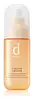
This calming emulsion is formulated around Tranexamic Acid and Dipotassium Glycyrrhizate to calm redness.
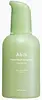
This calming essence is formulated around Houttuynia Cordata Extract and Sodium Hyaluronate to calm redness and hydrate skin.


What's inside
What's inside
 Key Ingredients
Benefits
Concerns
No concerns
Ingredients Side-by-side
Water
Skin ConditioningDipropylene Glycol
HumectantButylene Glycol
Humectant

Glycerin
Humectant
Cyclopentasiloxane
Emollient
Tranexamic Acid
Astringent




Erythritol
Humectant
PEG/PPG-17/4 Dimethyl Ether
Skin ConditioningDipotassium Glycyrrhizate
Humectant
Allantoin
Skin Conditioning
Xanthan Gum
EmulsifyingPhytosteryl/Octyldodecyl Lauroyl Glutamate
Skin ConditioningPEG/PPG-14/7 Dimethyl Ether
Skin ConditioningLamium Album Flower/Leaf/Stem Extract
Skin ConditioningPhellodendron Amurense Bark Extract
Skin ConditioningDimethicone
Emollient
Carbomer
Emulsion StabilisingAcrylates/C10-30 Alkyl Acrylate Crosspolymer
Emulsion StabilisingSodium Metabisulfite
Antioxidant

Tocopherol
Antioxidant

Phenoxyethanol
Preservative
Water, Dipropylene Glycol, Butylene Glycol, Glycerin, Cyclopentasiloxane, Tranexamic Acid, Erythritol, PEG/PPG-17/4 Dimethyl Ether, Dipotassium Glycyrrhizate, Allantoin, Xanthan Gum, Phytosteryl/Octyldodecyl Lauroyl Glutamate, PEG/PPG-14/7 Dimethyl Ether, Lamium Album Flower/Leaf/Stem Extract, Phellodendron Amurense Bark Extract, Dimethicone, Carbomer, Acrylates/C10-30 Alkyl Acrylate Crosspolymer, Sodium Metabisulfite, Tocopherol, Phenoxyethanol
Houttuynia Cordata Extract
Skin Conditioning
Glycerin
Humectant
Water
Skin ConditioningMethylpropanediol
SolventDipropylene Glycol
HumectantGlycereth-26
Humectant
Chondrus Crispus Extract
Skin Conditioning

Saccharum Officinarum Extract
MoisturisingMentha Aquatica Extract
TonicSodium Hyaluronate
Humectant
Gaultheria Procumbens Leaf Extract
Perfuming
Butylene Glycol
Humectant
Hydroxyethyl Urea
Humectant
Panthenol
Skin Conditioning
Ammonium Acryloyldimethyltaurate/Vp Copolymer
Acrylates/C10-30 Alkyl Acrylate Crosspolymer
Emulsion StabilisingTromethamine
BufferingCaprylyl Glycol
Emollient
Succinic Acid
Buffering1,2-Hexanediol
Skin Conditioning
Xanthan Gum
EmulsifyingHouttuynia Cordata Extract, Glycerin, Water, Methylpropanediol, Dipropylene Glycol, Glycereth-26, Chondrus Crispus Extract, Saccharum Officinarum Extract, Mentha Aquatica Extract, Sodium Hyaluronate, Gaultheria Procumbens Leaf Extract, Butylene Glycol, Hydroxyethyl Urea, Panthenol, Ammonium Acryloyldimethyltaurate/Vp Copolymer, Acrylates/C10-30 Alkyl Acrylate Crosspolymer, Tromethamine, Caprylyl Glycol, Succinic Acid, 1,2-Hexanediol, Xanthan Gum
Reviews
Ingredients Explained
These ingredients are found in both products.
Ingredients higher up in an ingredient list are typically present in a larger amount.
Acrylates/C10-30 Alkyl Acrylate Crosspolymer is a synthetic polymer. It is used to thicken, emulsify, and improve the texture of products.
As an emulsifier, it helps stabilize oil-in-water emulsions to give products an elegant feel when applied.
It can also form a thin protective film on skin. One study found that a formula using this polymer helped slow down how quickly other ingredients (like DEET) were absorbed through skin.
A 2024 study of over 1,300 patients confirmed that sensitization to this ingredient is rare. It is also non-mutagenic and has a clean track record.
Learn more about Acrylates/C10-30 Alkyl Acrylate CrosspolymerButylene Glycol (or BG) is used within cosmetic products for a few different reasons:
Overall, Butylene Glycol is a safe and well-rounded ingredient that works well with other ingredients.
Though this ingredient works well with most skin types, some people with sensitive skin may experience a reaction such as allergic rashes, closed comedones, or itchiness.
Learn more about Butylene GlycolDipropylene Glycol is a synthetically created humectant, stabilizer, and solvent.
This ingredient helps:
Dipropylene glycol is technically an alcohol, but it belongs to the glycol family (often considered part of the ‘good’ alcohols). This means it is hydrating and gentle on skin unlike drying solvent alcohols like denatured alcohol.
As a masking agent, Dipropylene Glycol can be used to cover the smell of other ingredients. However, it does not have a scent.
Studies show Dipropylene Glycol is considered safe to use in skincare.
Learn more about Dipropylene GlycolGlycerin (or glycerol) is a compound naturally found in your skin. It's a powerhouse humectant that pulls water into the stratum corneum.
Topically, glycerin does several things at once:
Your skin makes glycerin on its own (mostly from sebaceous oil breakdown) and shuttles it to your outermost layer of skin, or your epidermis, via aquaporin-3.
Aquaporin-3 is a transporter that is essential for normal skin hydration, elasticity, and repair. Interestingly, mice lacking in AQP3 have dry and less elastic skin that can be fully corrected with glycerin.
This ingredient is non-irritating, plays well with almost every ingredient, and works across all skin types. Typical use is anywhere between 3-10% but can go up to 79% in some leave-on products.
Just know very high concentrations (>40%) can feel tacky in low humidity.
Glycerin is the name for this ingredient in American English. British English uses Glycerol/Glycerine.
Learn more about GlycerinWater. It's the most common cosmetic ingredient of all. You'll usually see it at the top of ingredient lists, meaning that it makes up the largest part of the product.
So why is it so popular? Water most often acts as a solvent - this means that it helps dissolve other ingredients into the formulation.
You'll also recognize water as that liquid we all need to stay alive. If you see this, drink a glass of water. Remember to stay hydrated!
Learn more about WaterXanthan gum is used as a stabilizer and thickener within cosmetic products. It helps give products a sticky, thick feeling - preventing them from being too runny.
On the technical side of things, xanthan gum is a polysaccharide - a combination consisting of multiple sugar molecules bonded together.
Xanthan gum is a pretty common and great ingredient. It is a natural, non-toxic, non-irritating ingredient that is also commonly used in food products.
Learn more about Xanthan Gum

